
The transition from gasoline to electric mobility is one of the most significant changes in automotive history. For many drivers, the decision between a traditional internal combustion engine (ICE) vehicle and an electric vehicle (EV) can feel overwhelming. Range, performance, cost, maintenance, safety, and environmental impact—these factors all play a role.
Whether you’re exploring your first EV or simply curious about the technology shift, this article provides a clear and practical comparison, based on real engineering differences and what they mean in everyday use.

1. Powertrain and Driving Performance
How They Work
- ICE Vehicles burn gasoline or diesel to generate mechanical power. The combustion process generates heat, vibration, and emissions.
- EVs use batteries to power electric motors, delivering instant torque with fewer moving parts.
On the Road
| Feature | Gasoline Vehicles | Electric Vehicles |
| Torque | Builds gradually | Instant torque from standstill |
| Acceleration | Good in high-performance models | Fast, linear acceleration common even in mainstream EVs |
| Smoothness | Gear shifts and engine vibration | Silent, seamless motion |
| Handling | Front-heavy layouts | Low center of gravity due to battery placement |
EVs often feel more responsive and stable, especially in city driving and cornering.

2. Range and Refueling/Charging Speed
Range
- Modern gasoline cars: 500–900 km per tank
- Mainstream EVs: 350–650 km per charge (varies by battery size & driving habits)
Long-distance fuel availability is currently more convenient for ICE vehicles. However, EV range continues to increase each year.
Time to Recharge vs. Refuel
| Task | Gasoline | EV |
| Refuel/Charge | 3–5 minutes | 30 min fast charge for ~70–80% OR overnight at home |
Big advantage for EVs:
Most drivers can charge while sleeping — no gas station visits required.
3. Energy Cost and Efficiency
EVs convert energy to motion far more efficiently:
| Metric | Gasoline Vehicles | Electric Vehicles |
| Energy Efficiency | 20–35% (most energy lost as heat) | 85–90% efficient |
| Cost per 100 km | Higher (fuel dependent) | Typically 30–70% lower |
| Regenerative Braking | Not available | Energy recycled back into battery |
On a daily commute, EVs offer significantly lower running costs.
4. Maintenance and Reliability
Complexity Matters
Gasoline powertrains have many components that wear out:
- Engine oil system
- Spark plugs, exhaust, pumps
- Transmission and clutch
- Timing belts and fuel delivery system
EV powertrains include:
- Battery
- Inverter
- Electric motor
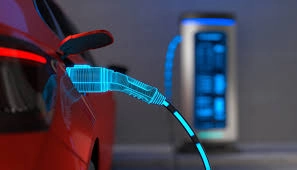
Far fewer mechanical parts means fewer failures and lower maintenance bills.
| Maintenance Item | Gasoline | EV |
| Engine Oil | Required | ❌ |
| Filters (engine/exhaust) | Required | ❌ (only cabin filter) |
| Brake Pads | Frequent replacement | Extended life due to regen braking |
| High-mileage repairs | Common | Much less frequent |
EVs typically provide longer service life for major components.
5. Safety Considerations
Gasoline
- Fire risk due to flammable fuel
- Engine heat exposure in crashes
EVs
- Battery thermal safety is key
- Advanced BMS monitors temperature and voltage
- Lower center of gravity reduces rollover risk
Leading EV brands implement:
- Battery enclosures for impact protection
- Intelligent thermal control to avoid overheating
- Fire-resistant chemistry (e.g., LFP batteries)
EV safety performance continues to improve, with high ratings in global crash tests.
6. Environmental Impact
| Factor | Gasoline Cars | Electric Vehicles |
| Tailpipe Emissions | CO₂, NOx, PM | Zero emissions while driving |
| Noise Pollution | Higher | Very low |
| Air Quality | Poor in cities | Improved urban environment |
While manufacturing batteries generates emissions upfront, multiple lifecycle studies confirm EVs produce less total carbon footprint over their lifespan — especially when powered by clean electricity.
7. Purchase Cost and Total Ownership Value
Upfront Price
- Gasoline vehicles: typically lower initial price
- EVs: higher purchase cost but falling rapidly
Total Cost of Ownership
EVs often win when considering:
- Fuel savings
- Lower maintenance
- Possible government incentives
- Slower depreciation in strong EV markets
For drivers who commute daily, EVs usually become more cost-effective within a few years.
8. Technology and Driving Experience
EVs have evolved into tech-forward products:
- Large touchscreens and OTA software updates
- ADAS and autonomous driving support
- Digital connectivity and intelligent power management
Gasoline vehicles offer mature driving familiarity, but EV innovation is advancing faster.
Which One Is Right for You?
It depends on lifestyle:
| Driver Type | Better Option | Why |
| Daily urban commuter | EV | Low cost, quiet comfort, home charging |
| Long-distance frequent traveler | Depends | Charging network improvement needed |
| Performance enthusiast | EV or Hybrid | Instant torque, high acceleration |
| Remote-area driver | ICE | Fuel more accessible today |
Both technologies offer value — but for where the industry is heading, EVs clearly lead the future.
Conclusion: The Shift is Here
Gasoline vehicles will remain on the road for many years, but their development has largely plateaued. Meanwhile, EVs are improving rapidly in:
- Range
- Charging speed
- Battery life
- Smart driving
- Cost efficiency
What once felt like a compromise is now a compelling upgrade. Drivers choosing EVs aren’t just helping the environment — they’re choosing a smoother, quieter, more modern way to travel.
The future of mobility isn’t arriving — it’s already here.
And it runs on electricity.



 English
 Portuguese
 French
 Turkish
 Russian
 Arabic
 Spanish