

You have picked out the kit — a front bumper, side skirts, a rear diffuser, a wing. Then you read about AİTM, TSE approval, a modification inspection and a trip to the notary, and it sounds as if a styling upgrade has become an engineering project.
The piece of information that changes everything is this: not every part requires a project. Turkish rules draw the line at whether the change affects the vehicle’s technical data. Simple accessories that leave the car’s technical features, dimensions, weight and fuel system untouched do not need a project — and that description fits a normal bolt-on styling kit.
So the straight answer is: a body kit is legal in Turkey. A cosmetic kit that bolts on and changes nothing on paper is the easy case. A kit that changes your car’s dimensions or adds significant weight moves into the AİTM project route, with TSE approval, a modification inspection at TÜVTÜRK and an updated ruhsat. This guide explains both paths.
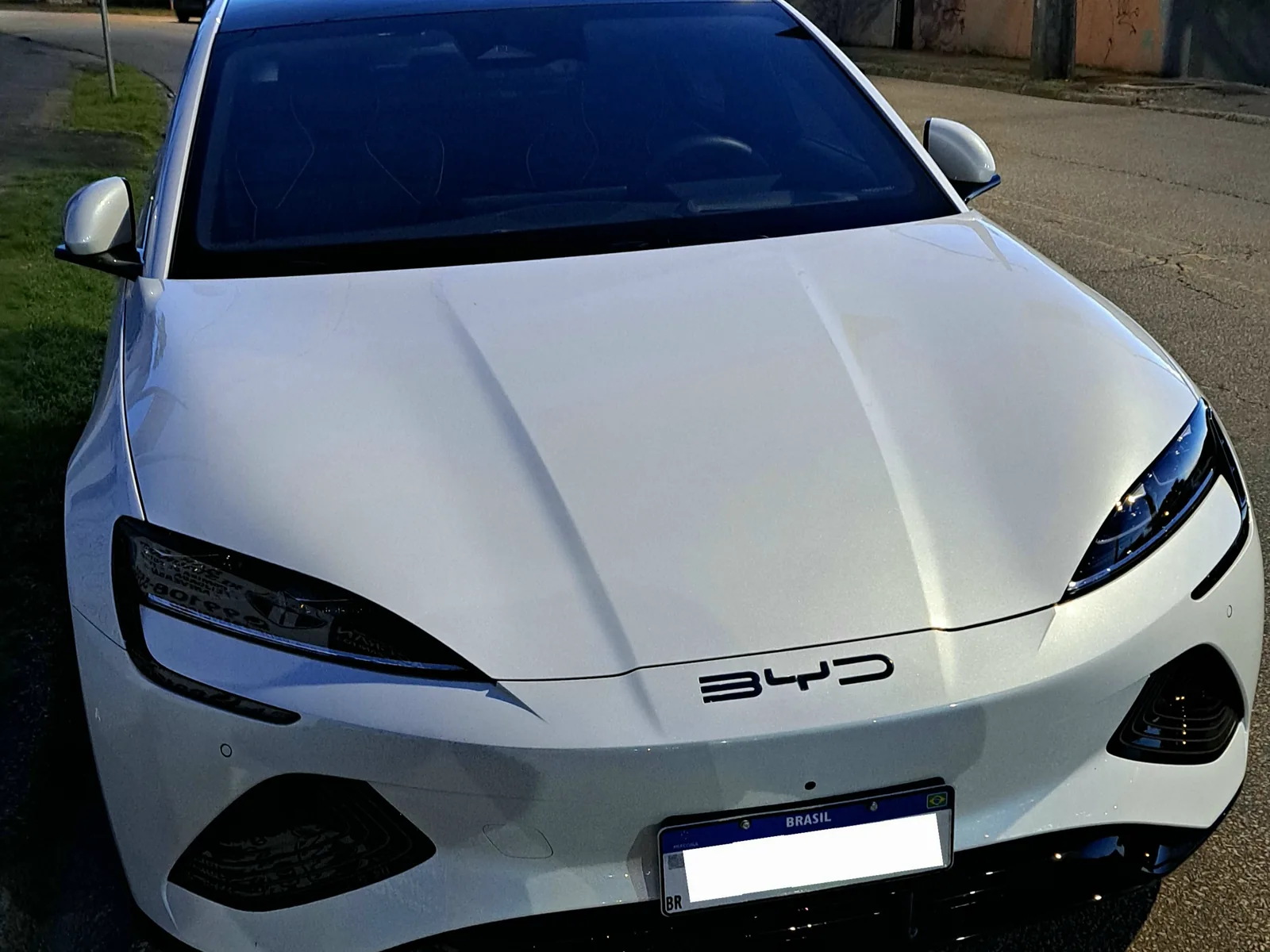
Photo: Mateusmatsuda / Wikimedia Commons (CC BY 4.0)
The short answer: body kit legal in Turkey comes down to your car’s data
Turkey’s core principle is simple and strict: the technical specifications of a vehicle on the road must match the data in its registration document (ruhsat). If the physical car and the ruhsat disagree, the vehicle can be banned from traffic and heavy fines can follow.
That is what the modification rules exist to manage. The governing framework is AİTM — the regulation on the manufacture, modification and assembly of vehicles — and the process runs through authorised mechanical engineers and TSE. What matters for an owner is the threshold:
| What you fit | Position in Turkey |
|---|---|
| Simple accessories that do not change technical features, dimensions, weight or fuel system | No project required |
| A bolt-on lip, skirt, diffuser or spoiler that keeps the car’s dimensions | Normally treated as an accessory — fit it properly and keep the documents |
| A kit that changes the vehicle’s dimensions or significantly changes its weight | Project route: TSE approval, TÜVTÜRK modification inspection, ruhsat update |
| Colour changes and wraps | Must be registered |
| Structure, seating, fuel system, tow bars | Always a project |
What actually triggers a project in Turkey
The clearest way to understand the rules is to look at the work that always needs one. Turkish engineering guidance lists the classic cases: adding or removing seats, cutting windows into a panel van, caravan conversions, wheelchair-access conversions, body or cargo-box changes, engine replacement, and heavy insulation or cladding that changes the vehicle’s unladen weight.
Against that list, a bolt-on styling kit that leaves the car’s dimensions and weight alone is a different category. Turkish practice states it directly: simple accessories that do not change the vehicle’s technical features, dimensions, weight or fuel system — such as roof rails or simple audio upgrades — do not require a project. That is the rule that keeps a carefully chosen body kit simple.
Where owners get caught is weight and dimensions. If your kit makes the car wider, longer or noticeably heavier, you have created exactly the kind of change the project process exists to record — and the fix is not to hide it but to document it.
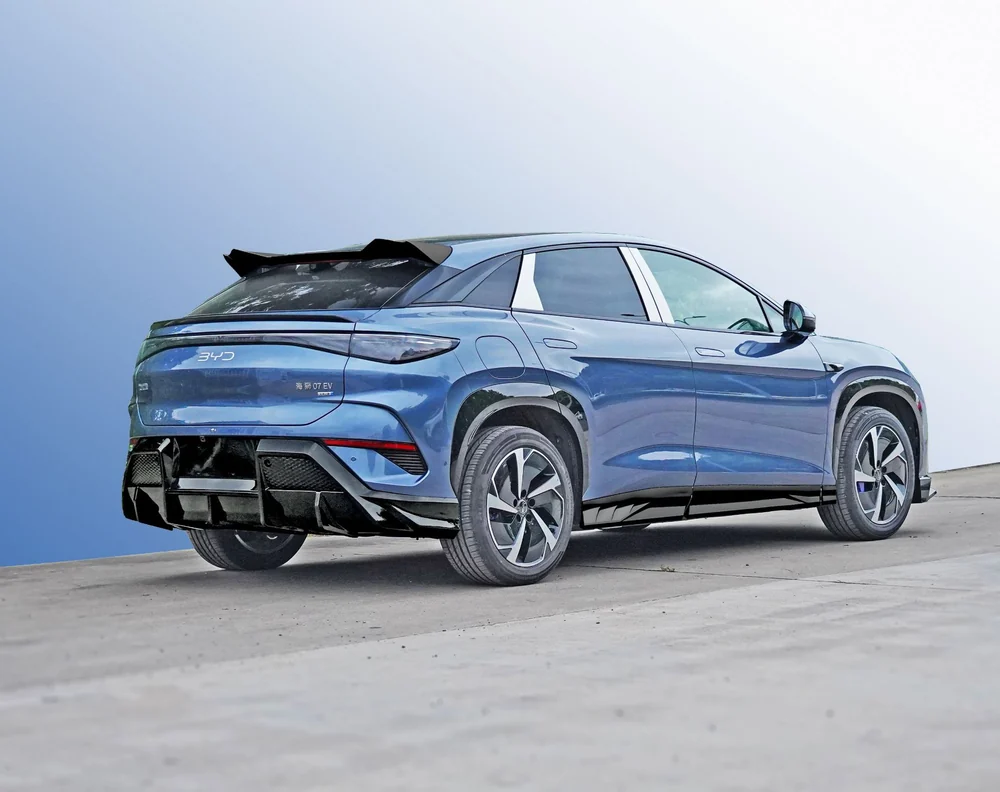
The project route, step by step
If your modification does need a project, the Turkish process is well established and, in 2026, largely digital:
- Work with a TSE-authorised mechanical engineering firm. The engineer calculates the vehicle’s new state, produces the technical drawings, and prepares the project file.
- Go to a TSE Vehicle Inspection Centre (AKM). The vehicle is physically checked against the project, and the materials used — E-marked glass, seat belts and similar — are verified against the standards. This is where cheap, uncertified parts fail.
- Attend the TÜVTÜRK “modification inspection” (tadilat muayenesi). This is separate from the periodic inspection, although the two can be combined if the periodic one is due.
- Complete the registration at a notary. Once the TSE and TÜVTÜRK approvals are in the system, the new registration document (tescil belgesi) is issued.
There is a deadline that surprises people: after TSE approval, the vehicle must attend the TÜVTÜRK modification inspection within about 30 days, and the registration should then be updated. Leave it longer and you may face penalties or need to renew the project.
One practical lesson runs through every Turkish guide on this subject: use a licensed firm and E-marked or certified parts. Unlicensed workshops using uncertified materials are the most common reason a project fails at the TSE stage — and the reason owners pay twice.
Who does what: you, the seller, the workshop and the engineer
| Who | What they handle |
|---|---|
| You | Choose the parts, confirm whether a project is needed, and keep the documents |
| The seller | Accurate product information: the exact part, the model and year it fits, the material, the weight, the mounting points and photos of the fixings |
| The workshop | Fits the kit properly, with compliant materials and correct fixings |
| The authorised engineer / TSE | Where a project is required, prepares the file and checks the vehicle against it |
What you want from the seller is accurate information about the part and the car it fits: the correct part number for your model year, the material and weight, how it mounts, and photos of the fixing points. That is what your workshop works from and what an engineer will ask for — and it is what we send with every kit we ship.
Fitment: model year, drilling, and going back to stock
A body kit is not a universal product, and BYD’s line-up proves it. A Seal, an Atto 3, a Dolphin, a Sealion 7 and a Shark 6 share almost nothing at the mounting level, and facelifted versions of the same model can change the bumper shape, the sensor layout and the tow-hook cover.
Before you buy, give the seller the model, model year, trim, market version and VIN. A supplier that will not ask for the VIN is guessing. Our BYD model lineup is a useful starting point if you are still confirming which generation you own, and our BYD exterior accessories hub lists styling parts by model.
Three fitment questions matter more than any photo:
- Sensor and camera cutouts. If the original bumper carries ultrasonic sensors, a front radar or washer jets, the new one must provide the right openings and brackets. Cutting them by hand is the most common source of problems — which is why we mold every kit around the openings on your car.
- How it is fixed. Original mounting points, with screw holes molded to match the OEM positions. If you would rather not drill at all, parts such as the no-drill front bumper lip for BYD Seal are designed for that approach.
- Whether you can go back. With a bolt-on kit, returning to standard means unbolting the parts and refitting the originals — useful if an inspection ever asks questions.
Popular BYD styling parts for Turkish builds
The parts Turkish owners ask for most are the ones that change the car’s presence without changing its data:
- A PP body kit for BYD Seal 7 DM-i for a complete front, side and rear upgrade in one order.
- A DC body kit for BYD Dolphin for the smaller hatchback.
- A roof spoiler wing for BYD Sealion 7 to finish the rear roofline.
- Side skirts for BYD Sealion 7 to close the gap along the sills.
- A rear bumper diffuser for BYD Sealion 7 for a finished rear end.
All of them bolt on, and the full BYD accessories range covers interior, exterior and replacement items if you are building a complete car.
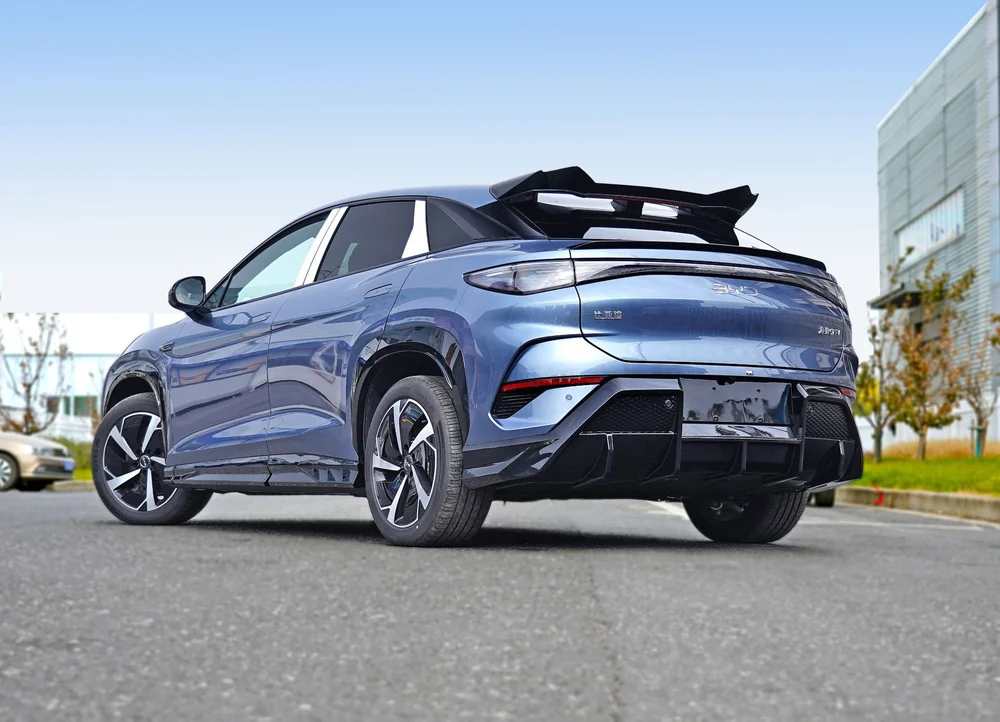
Radar, cameras, ADAS and the tailgate
Modern BYDs are sensor platforms. Front radar modules, ultrasonic park sensors, surround-view cameras, rain sensors and lane-keeping cameras are spread across the bumper, grille and windscreen area — and they are exactly what an inspection checks when it assesses safety equipment.
Replacing a bumper that carries those sensors is a different job from adding a cosmetic lip, because a sensor that is moved, tilted or shielded no longer sees what it is supposed to see. In practice: the new bumper has to hold the radar and sensor modules at the same height, angle and depth as the original; the workshop should run the calibration routine the manufacturer specifies; and power tailgates, soft-close doors and sensor-triggered features should be tested through a full cycle before the car leaves the workshop.
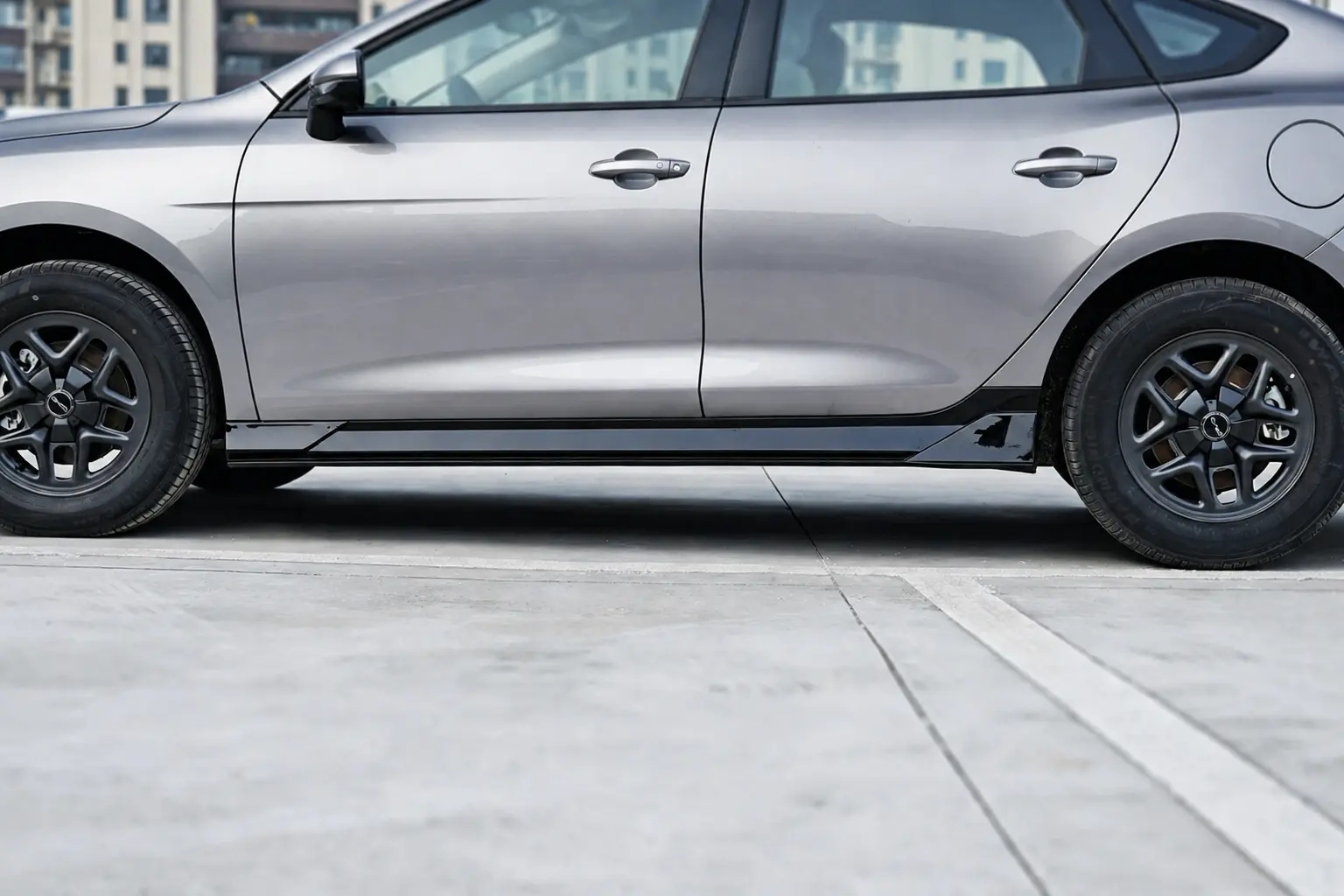
Materials, paint and Turkey’s four seasons
Kit materials are usually ABS, polyurethane, fiberglass or carbon fiber, and each one has a job. Polyurethane (PU) flexes, handles heat cycling well and shrugs off parking knocks, which is why it is the usual choice for full bumper replacements on daily-driven cars. ABS is lighter on cost, takes paint well and suits lips, grilles and trim. Fiberglass is easy to shape and repair and is popular for custom widebody work. Carbon fiber is the lightest option and the one buyers choose when weight and finish matter most.
Turkey is genuinely four-seasons, which affects how a kit ages. Summer UV in the south and west fades poorly prepared paint, so ask for a UV-stable clear coat and, on metallic finishes, blending into the neighbouring panels. Winter road salt in inland cities attacks exposed fixings, and coastal humidity along the Aegean and Mediterranean works on any unprotected metal — another argument for a properly bolted kit rather than a few adhesive patches. Stone chips on gravel roads are the last piece of the picture: a flexible material such as polyurethane is more forgiving than fiberglass on the parts that face the road.
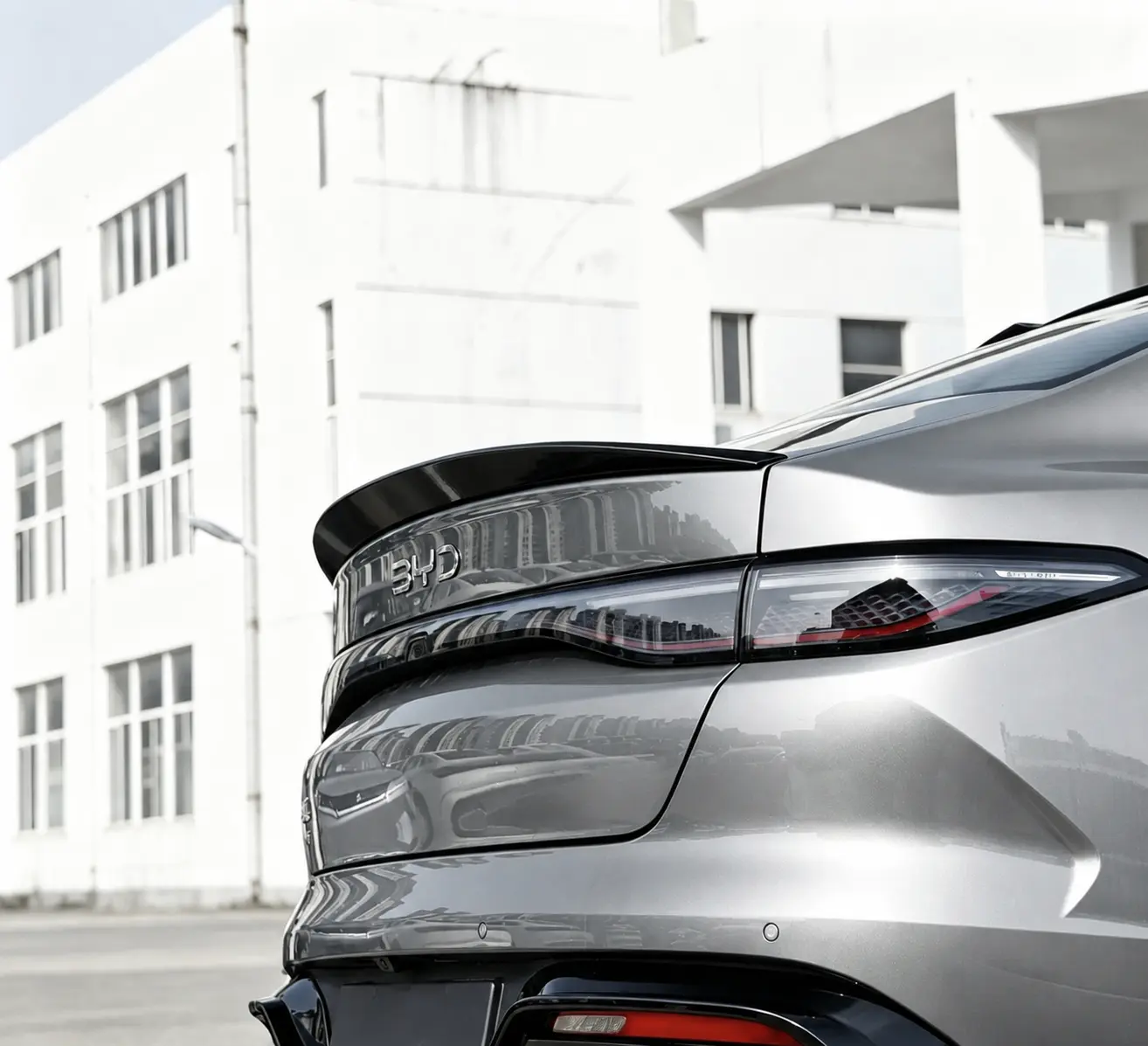
High-speed vibration is almost never a material problem. It comes from insufficient fixing: too few fasteners, adhesive-only joints, or brackets that were never designed for the load. If a wing or diffuser moves when you push it by hand, it will move far more at highway speed.
Insurance: the policy must describe the car you actually drive
Turkish motor insurance — and especially kasko — is issued on the basis of the vehicle as declared. A modification that changes the vehicle’s description should be reported to the insurer, and if the modification required a project, the ruhsat entry is the proof that it is legal.
Two practical points follow. First, an undeclared modification can complicate a claim, because the insurer is entitled to assess the vehicle it actually agreed to cover. Second, a ruhsat that does not match the car is a problem that follows you to the inspection station, to the insurance company and to the buyer when you sell. Doing the paperwork once is what keeps all three simple.
After the install: inspections, the ruhsat and resale
For a private passenger car in Turkey, the first periodic inspection falls at three years, and after that it is every two years, counted from the first registration date on the ruhsat. An emissions test document is expected before the inspection; without it, the vehicle can pick up a heavier fault classification than it deserves.
That cycle is why the approach in this guide is built around cosmetic, bolt-on parts. A kit that reuses the original mounting points, keeps every sensor opening in place and leaves the vehicle’s technical data unchanged is a styling upgrade that lives comfortably alongside the inspection schedule. A change that alters the car’s dimensions, weight or colour without being recorded is the one that creates a mismatch — and in Turkey a mismatch between the car and the ruhsat is exactly what the rules are designed to catch.
Why the effort is worth it
None of the above is a reason to skip the kit. It is a reason to buy one that fits and to know which category it falls into.
A bumper that reuses the factory mounting points, keeps every sensor opening in place and arrives with real fitting data is the easy case in Turkey: it is an accessory, not a modification, and it keeps your car and its ruhsat in agreement. You end up with the car you wanted, on the road, with nothing to explain at the inspection station.
Body kit legal in Turkey: a pre-purchase checklist
| Check | Why it matters |
|---|---|
| Model, year, trim and VIN confirmed by the seller | Facelifts and market versions change bumpers and sensor layouts |
| Kit keeps the car’s dimensions and weight unchanged | This is what keeps it an accessory rather than a project |
| No changes to structure, seating or fuel system | These always require a project |
| Colour or wrap changes recorded | An unregistered colour change is a mismatch with the ruhsat |
| E-marked / compliant materials supplied | TSE checks materials at the vehicle inspection centre |
| Sensor, camera and radar positions documented | Prevents ADAS and parking-system failures after fitting |
| Licensed workshop and kept invoices | Required if a project or inspection is involved |
| 30-day window understood if a project is filed | TSE approval must be followed by the TÜVTÜRK modification inspection |
| Paint suited to UV and winter salt | Turkey’s climate is hard on poor preparation |
| Insurer notified in writing | Keeps the policy aligned with the car |
Frequently Asked Questions
Are body kits legal in Turkey?
Yes. Turkish rules require the vehicle’s technical data to match its ruhsat, and they only require a formal project for changes that affect that data. Simple accessories that leave the vehicle’s technical features, dimensions, weight and fuel system unchanged — which includes a properly chosen bolt-on styling kit — do not need a project.
When does a body kit need a TSE project in Turkey?
When it changes the vehicle’s dimensions or its weight significantly, or when the work involves structure, seating, the fuel system, tow bars or a colour change. In those cases the AİTM project route applies, with TSE approval, a TÜVTÜRK modification inspection and a ruhsat update.
What does the project process involve?
An authorised mechanical engineer prepares the project, a TSE Vehicle Inspection Centre (AKM) checks the vehicle and materials against it, TÜVTÜRK carries out the modification inspection, and the notary issues the updated registration document. The modification inspection should be completed within about 30 days of TSE approval.
How often are cars inspected in Turkey?
For a private passenger car, the first periodic inspection is at three years, and after that every two years, counted from the first registration date. An emissions test document is expected before the inspection.
Can I wrap or repaint my BYD in Turkey?
Yes, but colour changes and wraps must be registered. Driving a car whose colour does not match the ruhsat is a mismatch that the rules are designed to catch.
What product information should come with the kit?
Enough for your workshop to fit it and for an engineer to describe it if a project is needed: the part and model identification, the material and thickness, mounting drawings or photos of the fixing points, and the weight. We include that pack with every kit we ship.
Get a fitment-matched BYD body kit for Turkey
If you would rather not discover the technical questions after the parts arrive, start with the fitment check. We supply BYD exterior accessories and body kits for the full BYD range — complete kits, or individual front and rear bumpers, side skirts, lips, diffusers, wings and spoilers.
Three details matter here. First, our bumpers are not glue-on parts: the screw holes are molded to match your car’s original mounting points, so the kit fixes the way the factory bumper fixes. Second, sensor openings, washer jets and brackets stay in their factory positions, so the bumper goes on and the assistance systems recalibrate normally. Third, every order ships with the fitting pack your workshop needs — part identification, material spec, mounting photos and weight — and you get one-to-one support from the person who matched your parts if a question comes up mid-install.
We ship from China with MOQ 1 piece, and we also handle bulk orders and dropshipping for accessory shops, workshops and resellers across Turkey and the wider region. Send us your model, year and VIN, and we will confirm compatibility before you pay — then request a quote with the parts and delivery terms you need. If you also buy vehicles, our global sourcing service covers cars and parts in the same order.
References
- Araç Proje Ruhsat İşlemleri: Tadilat ve Dönüşüm Rehberi 2026 (AİTM project and registration process) — AYT Dizayn — https://aytdizayn.com/genel/arac-proje-ruhsat-islemleri-tadilat-ve-donusum-rehberi-2026
- Modifiye Araç TSE Proje Uygunluk Onayı Nasıl Alınır? — DBalcı — https://dbalci.com/modifiye-arac-tse-proje-uygunluk-onayi-nasil-alinir
- Türkiye’de Araç Muayene Kaç Yılda Bir Yapılmalı? 2026 Rehberi — Oto.net — https://oto.net.tr/turkiyede-arac-muayene-kac-yilda-bir-yapilmali-2026-rehberi/
- Araç Muayene Rehberi ve Sıkça Sorulan Sorular — TÜVTÜRK — https://www.tuvturk.com.tr/muayene-rehberi/sss

 English
 Portuguese
 French
 Turkish
 Russian
 Arabic
 Spanish