

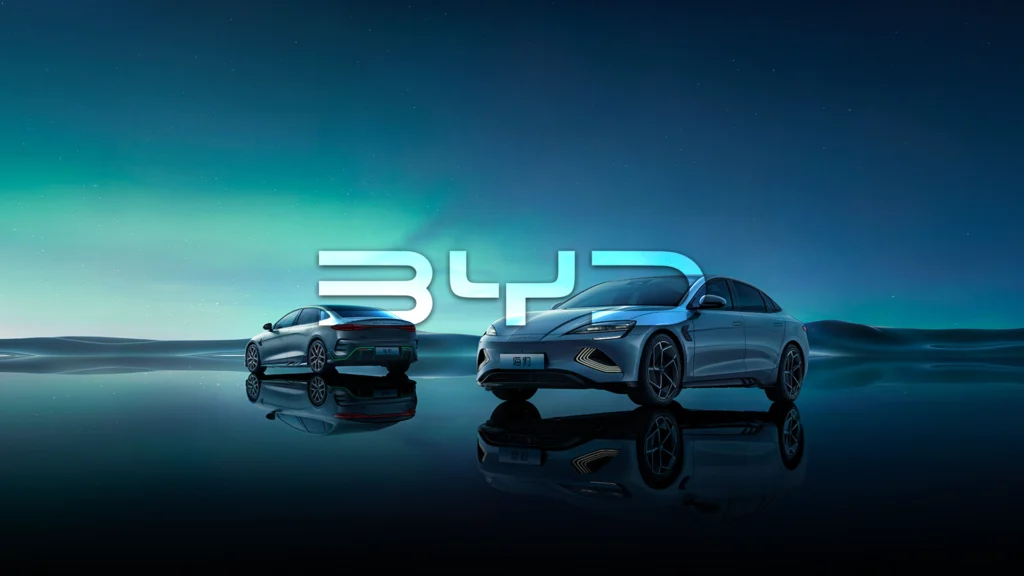
Electric vehicles are no longer a distant future for Bolivia. With rising fuel costs, increasing environmental awareness, and growing interest in energy independence, more Bolivian buyers—both private consumers and commercial fleets—are seriously considering importing electric vehicles (EVs) directly from China.
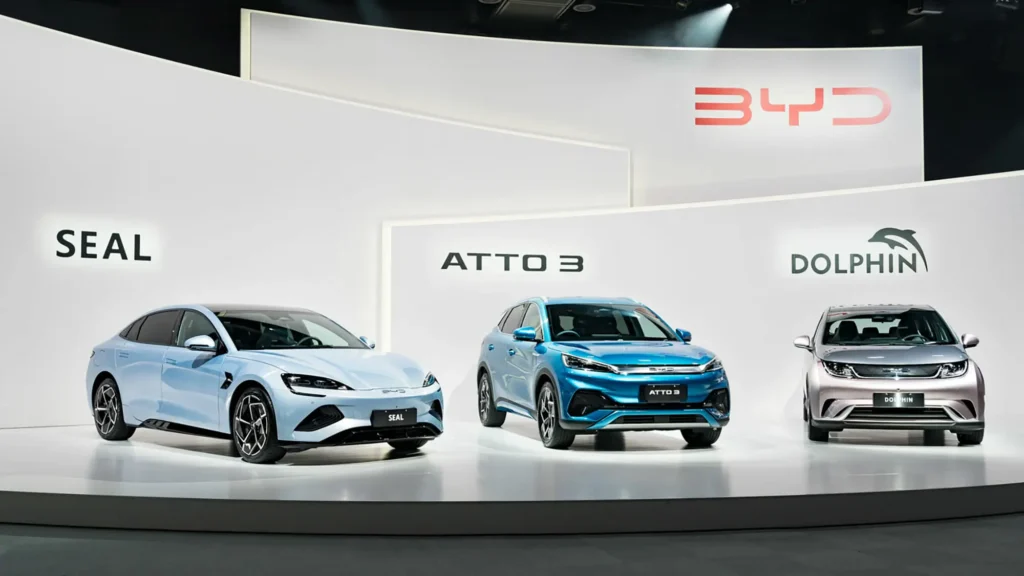
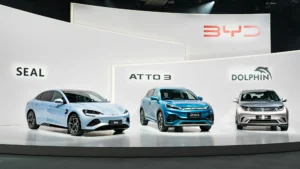
BYD, in particular, has become one of the most discussed brands in the Bolivian market. Models such as the Yuan Plus (Atto 3), Yuan Up, Dolphin, and Dolphin Mini offer competitive pricing, modern battery technology, and proven global export experience.
However, importing an EV into Bolivia is not simply a matter of finding a supplier and wiring funds. The process involves export compliance in China, maritime logistics, Bolivian customs regulations, homologation considerations, port handling realities, and after-sales planning.
This guide walks you through the entire process—step by step—while addressing common problems and their solutions.
Step 1: Choosing the Right Vehicle for the Bolivian Market
Before discussing paperwork or shipping, the most important decision is model selection. Bolivia’s geography and infrastructure make this step critical.
Bolivia is a landlocked country with varied terrain:
- High altitude regions (La Paz, El Alto – above 3,600 meters)
- Tropical lowlands (Santa Cruz)
- Mountainous highways
- Limited fast-charging infrastructure
These factors affect range performance, battery efficiency, and consumer satisfaction.
Recommended BYD Models for Bolivia
1. BYD Yuan Plus (Atto 3)
- 150 kW front motor
- 310 Nm torque
- 60.48 kWh LFP Blade Battery
- WLTP range approx. 420 km
This is the most balanced model for Bolivia. It provides enough battery capacity to compensate for range loss in mountainous terrain and offers sufficient torque for steep roads.
2. BYD Dolphin
- Battery options around 44.9 kWh or 60 kWh
- Motor outputs between 70 kW and 150 kW
This model works well for urban fleets and ride-hailing services due to its efficiency.
3. BYD Yuan Up
- Smaller battery (32–45 kWh depending on version)
- Motor output 70 kW or 130 kW
Better suited for urban commuting rather than intercity travel.
4. BYD Dolphin Mini (Seagull)
- 30–38 kWh battery
- 55–75 kW motor
This is strictly an urban vehicle and should only be imported if charging access is reliable.
Problem: Range Loss at High Altitude
EVs lose efficiency in cold and high-altitude conditions. Real-world range may drop 15–25%.
Solution:
- Prefer battery capacity above 50 kWh for multi-purpose use.
- Inform customers about realistic range expectations.
- Encourage home charger installation.
Step 2: Buying from China – Export Process
Once the model is selected, the purchasing process begins in China.
There are two primary export channels:
- Official authorized exporters
- Parallel/grey export traders
Each comes with advantages and risks.
What Must Be Verified Before Payment
- Chinese business license (营业执照)
- Company bank account matching license name
- Export qualification
- VIN and factory configuration sheet
- Production year and battery specification
- Charging standard (GB/T or CCS2 export version)
Problem: Grey Export Warranty Issues
Many Chinese domestic vehicles do not carry international warranty coverage.
Solution:
- Treat warranty as separate from manufacturer warranty.
- Negotiate third-party warranty support.
- Budget for local service partnerships.
Payment Structures
To reduce risk, use one of the following:
- Letter of Credit (LC)
- Escrow arrangement
- Staged payments tied to:
- Inspection completion
- Export clearance
- Bill of Lading issuance
Avoid large deposits without documented milestones.
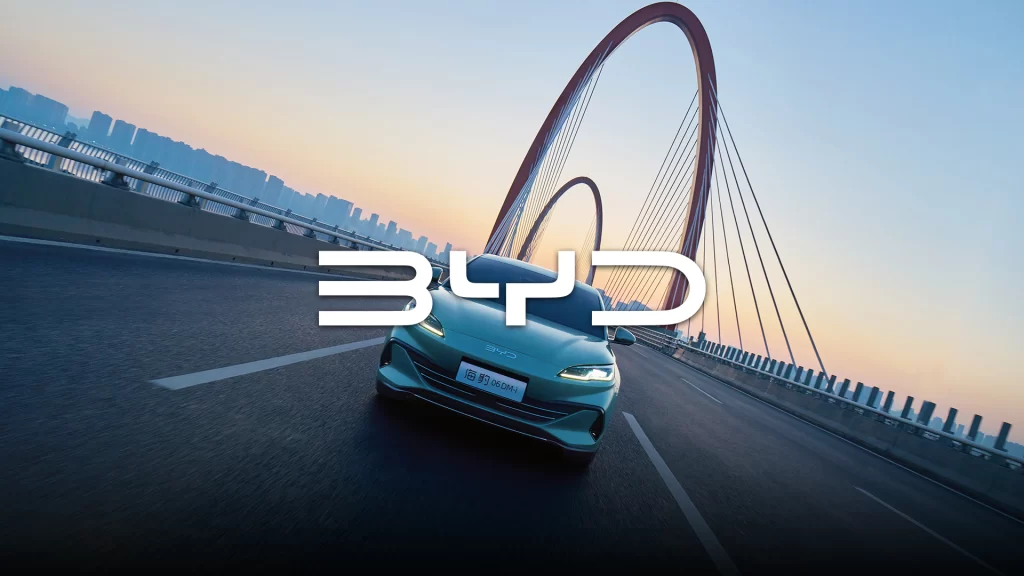
Step 3: Shipping to Bolivia – Port Strategy
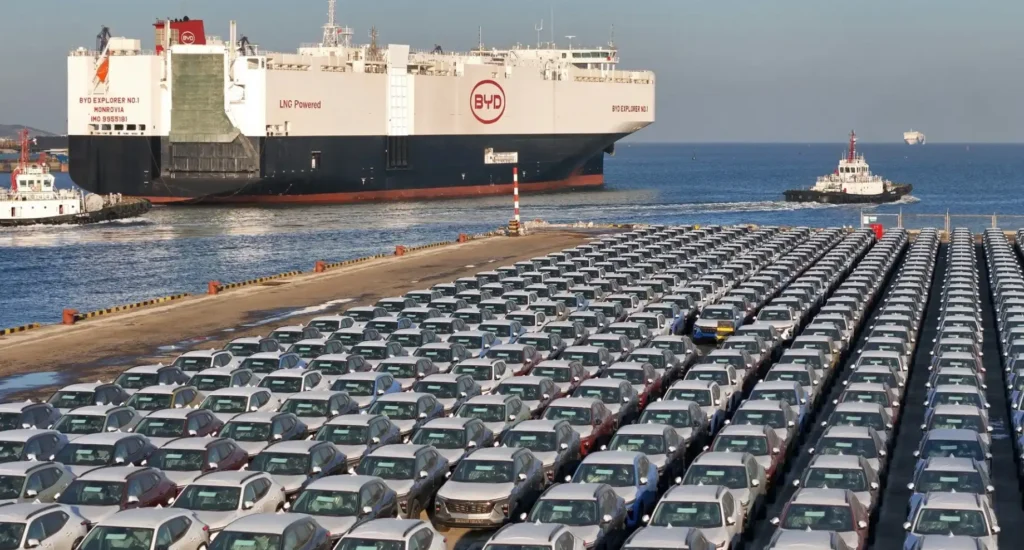
Because Bolivia is landlocked, vehicle import requires routing through neighboring countries.
Common logistics routes:
- Shanghai → Arica (Chile) → Land transport to Bolivia
- Shanghai → Iquique (Chile)
- Shanghai → Callao (Peru)
Arica is the most frequently used route due to established Bolivian cargo corridors.
Problem: Dangerous Goods (DG) Classification
Electric vehicles with lithium batteries are classified as dangerous goods under maritime shipping regulations.
Solution:
- Use experienced freight forwarders familiar with EV containerization.
- Ensure UN38.3 battery test documentation is available.
- Confirm proper DG container booking.
Step 4: Bolivian Customs and Import Regulations
Once the vehicle arrives at port, customs clearance becomes critical.
Bolivian customs procedures include:
- Commercial invoice
- Bill of Lading
- Certificate of Origin
- Vehicle title documents
- Import declaration
- Payment of applicable duties and taxes
Bolivia’s import duty structure may include:
- Customs tariff
- VAT (IVA)
- ICE (Specific Consumption Tax, depending on vehicle classification)
EV tax advantages may vary depending on current policy incentives.
Problem: Used vs New Classification
Bolivian authorities may apply different tax treatment depending on vehicle status.
Solution:
- Confirm export classification before shipping.
- Avoid “zero-mile used” grey channel ambiguity.
- Align paperwork classification with customs strategy.
Step 5: Homologation and Registration
Bolivia does not have EV-specific national homologation complexity like the EU, but documentation must align with transport authority standards.
You may need:
- Technical specification sheets
- Battery safety certification
- Emission exemption documentation (for EVs)
Work with a local customs broker who understands vehicle imports specifically.
Step 6: Charging Infrastructure Planning
Bolivia’s charging infrastructure is still developing.
Public fast chargers are limited. Therefore:
- Home AC chargers (7 kW wallbox) are highly recommended.
- Fleet operators should consider depot charging installations.
- Verify charging connector compatibility before import.
Most export BYD models use CCS2 charging standards for international markets.
Problem: Charging Connector Mismatch
Chinese domestic versions may use GB/T standard.
Solution:
- Order export-spec vehicles with CCS2.
- Confirm connector specification in writing before production.
Step 7: After-Sales Service Strategy
One of the biggest challenges in Bolivia is service and parts supply.
Without planning, even small repairs may require importing components.
Solutions include:
- Establish partnership with trained EV technicians.
- Stock essential wear parts:
- Brake components
- Suspension parts
- Inverters
- Train local mechanics on high-voltage systems.
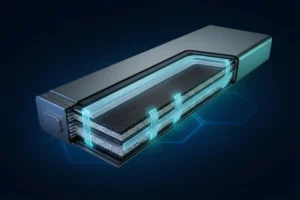
BYD Blade Battery is LFP chemistry, known for high safety and durability, which reduces long-term battery risk.
Cost Structure Overview
Typical cost elements include:
- Vehicle FOB price (China)
- Inland China transport
- Dangerous goods container surcharge
- Ocean freight
- Port handling charges (Arica/Iquique/Callao)
- Land freight to Bolivia
- Customs duties and taxes
- Broker fees
- Registration and licensing
Profitability depends on:
- Model positioning
- Volume import discounts
- Logistics efficiency
Common Import Risks and Solutions
| Risk | Explanation | Solution |
|---|---|---|
| Fake Bill of Lading | Fraudulent shipping documents | Verify directly with carrier |
| Non-delivery after deposit | Supplier disappears | Use LC or milestone payments |
| Battery damage in transit | Improper handling | Use experienced DG forwarder |
| Warranty rejection | Grey export issue | Pre-negotiate service solution |
| Range dissatisfaction | High-altitude loss | Educate customers pre-sale |
Why BYD and Chinese EVs Make Strategic Sense for Bolivia
Chinese EV manufacturers offer:
- Mature LFP battery technology
- Competitive pricing
- Strong torque output for mountainous terrain
- Growing global export experience
BYD’s Blade Battery technology is particularly suited for emerging markets because of its thermal stability and safety testing record.
Final Thoughts
Importing electric vehicles from China into Bolivia is entirely feasible—but it is not a casual process. Success depends on:
- Careful model selection
- Verified exporter identity
- Structured payment protection
- Experienced freight handling
- Accurate customs documentation
- After-sales planning
When executed correctly, EV import can provide Bolivian buyers with access to modern, efficient, and environmentally responsible transportation at competitive cost.
But when rushed or poorly structured, it can lead to delays, financial losses, and regulatory complications.
Approach the process professionally, document every step, and treat verification as seriously as pricing.


 English
 Portuguese
 French
 Turkish
 Russian
 Arabic
 Spanish