
Chile has emerged as one of Latin America’s most promising electric vehicle markets. Unlike many neighboring countries, it offers relatively stable regulations, expanding CCS2 fast-charging infrastructure, and growing consumer acceptance of EV technology. However, importing electric vehicles from China into Chile is not simply a matter of buying stock and booking a vessel. It requires regulatory precision, technical verification, and careful model selection.
This guide explains the complete process—from sourcing vehicles in China to clearing Chilean ports—while outlining the most common risks and the practical solutions importers should apply.
1. Understanding Chile’s EV Market Reality
Before selecting models or negotiating prices, it is essential to understand how Chile’s geography and infrastructure influence EV performance.
Chile stretches more than 4,000 kilometers north to south, with:
- Desert climates in the north
- Mediterranean conditions in central regions
- Cold and wet climates in the south
- Mountainous terrain with significant elevation variation
These factors directly affect battery performance and real-world range. While official WLTP figures may suggest 400 km of range, real-world driving in mountainous areas or colder climates will reduce that number.
At the same time, Chile’s charging network is growing steadily, particularly:
- CCS2 DC fast chargers along major highways
- Urban charging stations in Santiago and surrounding regions
- Increasing home wallbox adoption
However, rural charging infrastructure remains limited. That means battery capacity and charging compatibility are not secondary considerations—they are critical purchase decisions.
Key insight: Models with battery capacity above 50 kWh are generally more suitable for Chile’s mixed terrain conditions.
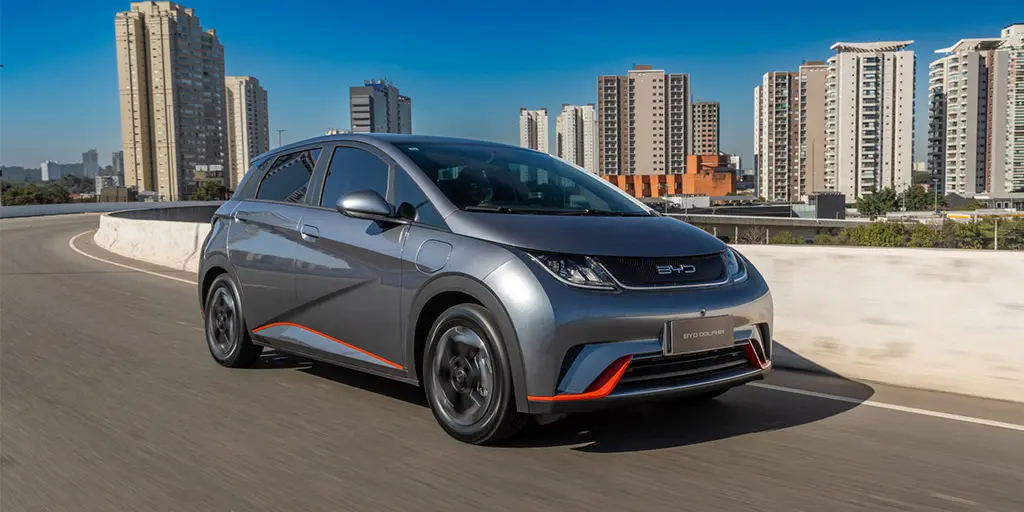
2. Purchasing BYD and Other Chinese EVs from China
When sourcing vehicles in China, Chilean importers typically use one of three channels. Each offers different levels of risk and control.
Purchasing Channels
- Official export distributors
- Independent trading companies
- Direct factory-level arrangements (for larger volume buyers)
Working with official export distributors generally provides:
- Factory-configured CCS2 charging ports
- Proper export VIN registration
- Clear battery warranty documentation
- More consistent homologation paperwork
Independent traders may offer:
- Lower pricing
- Faster availability
- Flexible volume orders
But they require strict verification of:
- Charging port type (must be CCS2, not GB/T)
- Battery specifications
- VIN documentation consistency
- Warranty coverage clarity
Solution:
Before transferring any funds, request a full technical specification sheet including:
- Battery capacity (kWh)
- Motor output (kW and Nm)
- Charging standard (CCS2 confirmation)
- DC fast charging rate (kW)
- Homologation compliance documentation
Payment should always be milestone-based, such as partial deposit + balance after verified Bill of Lading issuance.
3. Shipping Strategy: From China to Chile
Shipping EVs involves additional regulatory care due to lithium battery classification.
Most vehicles depart from:
- Shanghai
- Ningbo
- Shenzhen
- Xiamen
Transit time typically ranges:
- 25–35 days to Chilean Pacific ports
Common Chilean arrival ports include:
- San Antonio (most common for Santiago distribution)
- Valparaíso
- Iquique (used strategically for northern operations)
EV shipments must comply with:
- UN lithium battery transport regulations
- Hazardous goods documentation requirements
- Proper container or Ro-Ro classification
Common mistake:
Using a freight forwarder inexperienced in EV transport, which can cause port delays.
Solution:
Work with logistics partners that regularly handle electric vehicles and understand lithium compliance procedures.
4. Homologation and Regulatory Approval in Chile
This is often the most underestimated stage of the process.
Chile requires imported vehicles to comply with national technical regulations before they can be registered. Coordination with the Ministry of Transport and Telecommunications (MTT) is necessary.
Homologation documentation typically requires:
- Manufacturer certificate of conformity
- Technical specifications (engine/motor output, battery data)
- Safety system documentation
- VIN documentation consistency
- Lighting and signaling compliance
Delays often occur because:
- Chinese paperwork uses inconsistent model naming
- Technical translations are incomplete
- Export documents do not match homologation submission
Best practice:
Engage a homologation consultant before the vehicle ships—not after arrival.
5. Most Common Import Problems — and How to Solve Them
1. Wrong Charging Standard
Problem:
Vehicle arrives with GB/T port instead of CCS2.
Impact:
- Limited compatibility with Chilean charging network
- Reduced resale value
- Adapter dependency
Solution:
Confirm CCS2 export configuration directly from factory documentation before shipment.
2. Range Overestimation
Problem:
Official range figures do not reflect mountainous or cold climate conditions.
Impact:
- Customer dissatisfaction
- Reduced fleet reliability
Solution:
Plan realistic expectations:
- Subtract 15–25% from laboratory range for mixed terrain use
- Recommend 60 kWh+ battery models for multi-purpose usage
3. Warranty Misunderstanding
Problem:
Grey-import vehicles may not qualify for local distributor warranty.
Impact:
- Customer confidence issues
- Potential repair cost disputes
Solution:
Contractually define:
- Battery warranty provider
- Powertrain coverage period
- Diagnostic and spare parts support chain
4. Documentation Inconsistency
Problem:
Invoice, Bill of Lading, and homologation paperwork do not match exactly.
Impact:
- Port delays
- Customs clearance suspension
Solution:
Perform document cross-verification before vessel departure.
6. Which BYD Models Make Sense for Chile?
Model selection must align with Chile’s geography and buyer expectations.
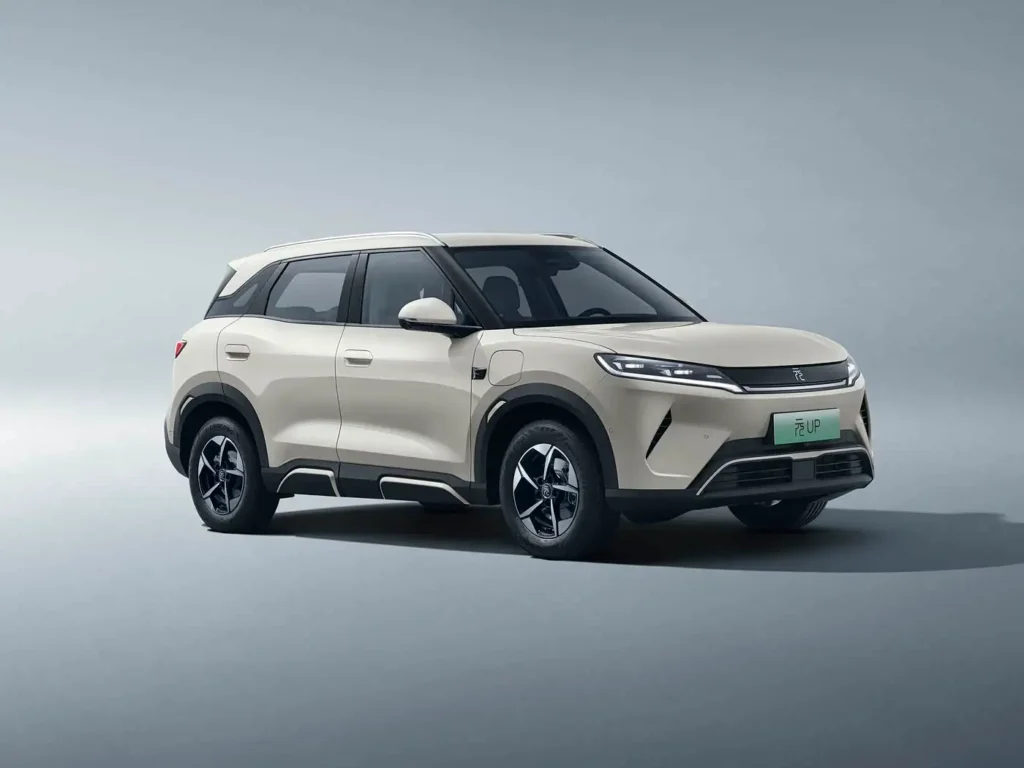
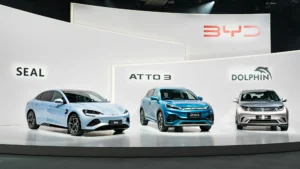
BYD Yuan Plus (Atto 3)
Specifications:
- 150 kW motor
- 310 Nm torque
- 60.48 kWh Blade Battery
- ~420 km WLTP range
Why it works:
- SUV format matches Chilean demand
- Strong torque handles inclines
- Adequate battery size for intercity travel
- CCS2 export versions widely available
This is typically the safest import choice.
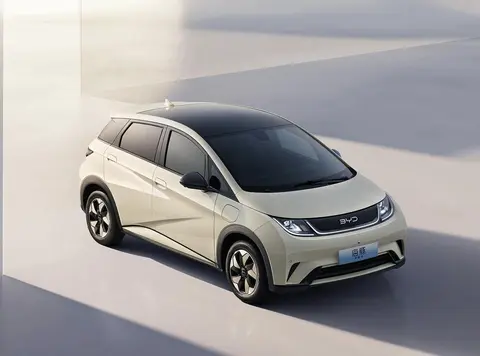
BYD Dolphin
Specifications:
- 44.9–60 kWh battery
- 70–150 kW motor variants
Best suited for:
- Urban fleet electrification
- Ride-hailing services
- Cost-per-kilometer efficiency
Advantages:
- Lower energy consumption
- Smooth driving characteristics
Limitation:
- Lower ground clearance compared to SUVs
BYD Seal
Specifications:
- Up to ~82.5 kWh battery
- RWD or AWD configurations
- Performance-oriented setup
Market positioning:
- Executive buyers
- Corporate fleets
- Premium sedan segment
Seal offers stronger highway range and higher performance positioning.
7. Financial Planning and Total Landed Cost
Vehicle price is only part of the equation. Importers must calculate:
- Ocean freight
- Marine insurance
- Customs duties and VAT
- Homologation testing costs
- Inland logistics
- Registration fees
EV-specific considerations include:
- Charging equipment compatibility
- Diagnostic software access
- Spare parts logistics
A full landed-cost model should be built before confirming order volumes.
8. Strategic Recommendations for Chilean Importers
Based on terrain, infrastructure, and consumer behavior, the most stable long-term strategy is:
- Yuan Plus as primary retail SUV
- Dolphin for fleet and urban segment
- Limited Seal units for premium positioning
Avoid over-concentration in very small battery vehicles unless targeting strictly urban fleets.
Final Thoughts
Importing Chinese electric vehicles into Chile is no longer speculative—it is a structured business opportunity. However, success depends on preparation, documentation precision, and realistic range planning.
If you:
- Confirm CCS2 compatibility
- Select appropriate battery sizes
- Align paperwork before shipment
- Clarify warranty responsibility
- Use experienced logistics partners
You eliminate most operational risks.
Chile offers one of the strongest EV growth environments in Latin America. With disciplined execution and intelligent model selection, BYD and other Chinese EV brands can build sustainable long-term presence in the Chilean market.

 English
 Portuguese
 French
 Turkish
 Russian
 Arabic
 Spanish