
After 7 Days Behind the Wheel, Specs Stop Mattering — Fit Becomes Everything
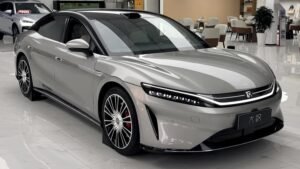
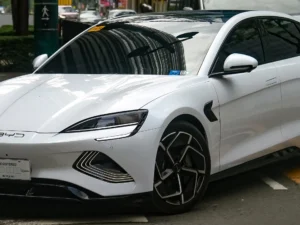
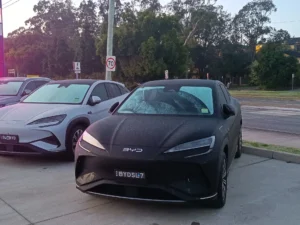
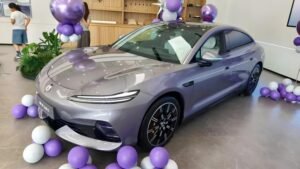
I used to believe that choosing an electric car in this segment was all about comparing spreadsheets — range, power, and dimensions. That was before I drove both the BYD Qin PLUS EV (2025 Intelligent Driving Edition, 510 km) and the Song PLUS EV (2025, 520 km) for a full week each.

Qin Plus EV

Song Plus EV
I took them through my daily commute, weekend family trips, shopping runs, and highway drives. Only then did I realize something simple but important:
Specifications are cold numbers. What really matters is how well the car fits your daily life.
Your commute, your passengers, and what you carry every day already contain the answer — you just have to feel it behind the wheel.
1. Daily Commuting: Sedan Agility vs SUV Stability
My commute is split into two parts:
- 3 km of congested old-city traffic
- 12 km of urban expressway
The difference between these two cars became far more obvious in practice than any spec sheet.
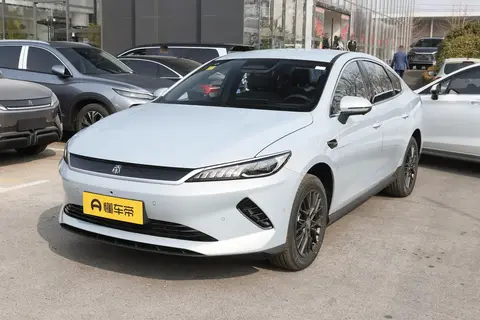
Qin PLUS EV — agile and stress-free in the city
With a length of 4795 mm, wheelbase of 2718 mm, and curb weight of 1614 kg, the Qin PLUS EV feels light and nimble.
In narrow residential streets, tight intersections, and roadside parallel parking, the car feels effortless. One turn of the wheel is often enough — no repeated corrections. The steering has very little slack, and the car quickly stabilizes after speed bumps.
During rush-hour congestion, it feels easy and confident.
However, above 100 km/h on the expressway, the lighter body feels slightly less planted. Lane changes require more attention, and wind noise is more noticeable than in the Song PLUS EV.
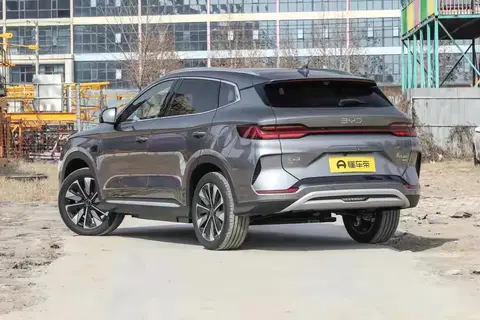
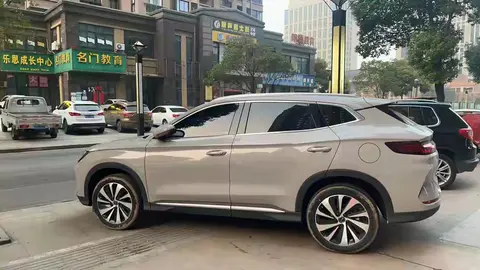
Song PLUS EV — stable and confident at speed
With a length of 4785 mm, wheelbase of 2765 mm, width of 1890 mm, and curb weight of 1920 kg, the Song PLUS EV feels solid and reassuring.
The higher driving position gives better forward visibility, making it easier to anticipate traffic at intersections. On the expressway, the firmer suspension and heavier body provide better stability over uneven surfaces.
But in narrow urban areas, the width becomes a disadvantage. Maneuvering in tight market streets or older neighborhoods takes more time and caution.
After one week:
- Urban congestion and frequent parking → Qin PLUS EV feels better.
- Expressway driving and visibility → Song PLUS EV feels more secure.
2. Range and Charging: Two Practical Approaches
On paper, the difference between 510 km and 520 km looks small. In real life, it feels very different.
Qin PLUS EV — efficient for daily commuting
Its 57.6 kWh Blade Battery easily supports my 20 km daily round trip. Real-world range efficiency reaches about 93%, even with air conditioning and music.
Charging from 30% to 80% takes around 30 minutes, enough for an entire week of commuting.
Song PLUS EV — confidence for longer trips
With its 71.8 kWh Blade Battery, the Song PLUS EV shines on longer drives. On a 180 km family trip with four passengers and AC on, it still had 42% battery remaining on arrival.
Although charging speed is similar, each charge adds more usable range. Energy consumption is slightly higher at 13.7 kWh/100 km, compared to 11.9 kWh/100 km for the Qin PLUS EV.
After one week:
- Short daily trips → Qin PLUS EV is more efficient.
- Family travel and longer distances → Song PLUS EV offers more peace of mind.

3. Space: Precision vs Flexibility
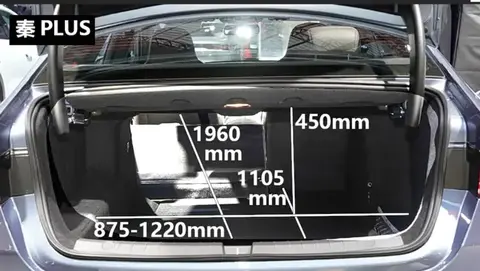
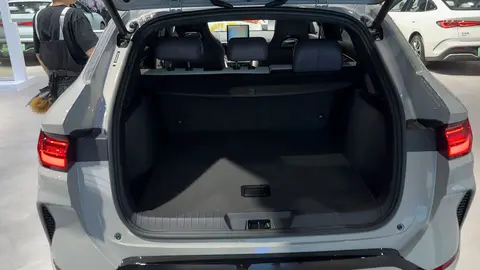
- Qin PLUS EV trunk: 450 L
- Song PLUS EV trunk: 574 L
- Folded capacity: 1477 L vs 1600 L
Qin PLUS EV — tidy and practical
Perfect for luggage, gym bags, and daily use. A 175 cm passenger still gets generous rear legroom, and the interior storage layout keeps everything organized.
Song PLUS EV — family-friendly
Easily fits a child seat, stroller, picnic gear, and more. The higher floor does make entry slightly harder for elderly passengers, though.
After one week:
- Singles or couples → Qin PLUS EV is sufficient.
- Families with children → Song PLUS EV is more suitable.
4. Technology and Comfort
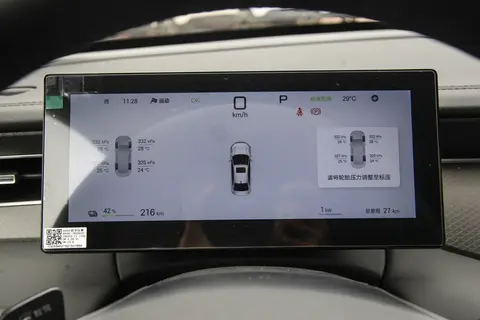
Both offer L2 driver assistance and smart infotainment, but they feel different in use.
Qin PLUS EV — city-smart
Excellent adaptive cruise, 360° camera, auto parking, and responsive DiLink 4.0 system. Voice commands execute quickly and naturally.
Song PLUS EV — highway comfort
More stable lane centering, better seat support, front seat heating, and stronger long-distance comfort. However, the app ecosystem is more limited.

5. Ownership Details
- Qin PLUS EV: better mobile connectivity, NFC key, and remote functions.
- Song PLUS EV: higher ground clearance, memory tailgate, and better rough-road tolerance.
Both offer extensive service networks and long-term battery warranty.
Final Thought: Stop Comparing Numbers — Drive Your Life
After a week with both cars, I deleted my comparison spreadsheet.
Because what matters isn’t which has 10 km more range or 50 kW more power — it’s how the car fits your daily routine.
- If you commute alone through congested cities → test the Qin PLUS EV’s agility.
- If you travel with family and luggage → sit in the Song PLUS EV’s rear seats and feel the space.
You’re not buying numbers.
You’re choosing the car that quietly supports your everyday life.
And only your daily life can tell you which one that is.

 English
 Portuguese
 French
 Turkish
 Russian
 Arabic
 Spanish