

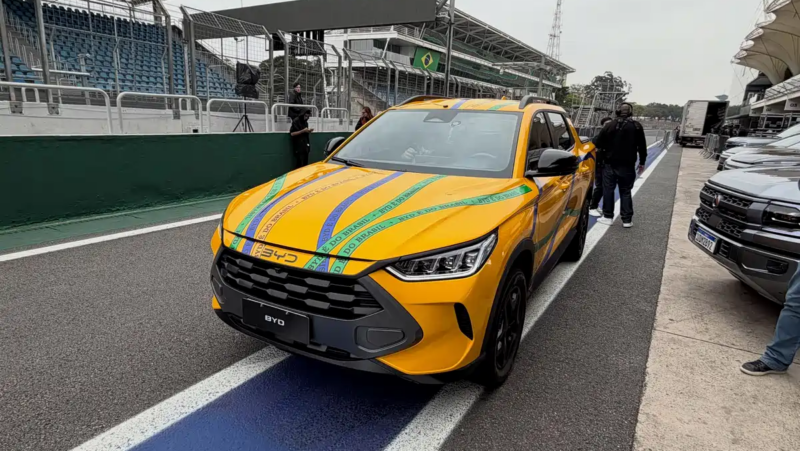
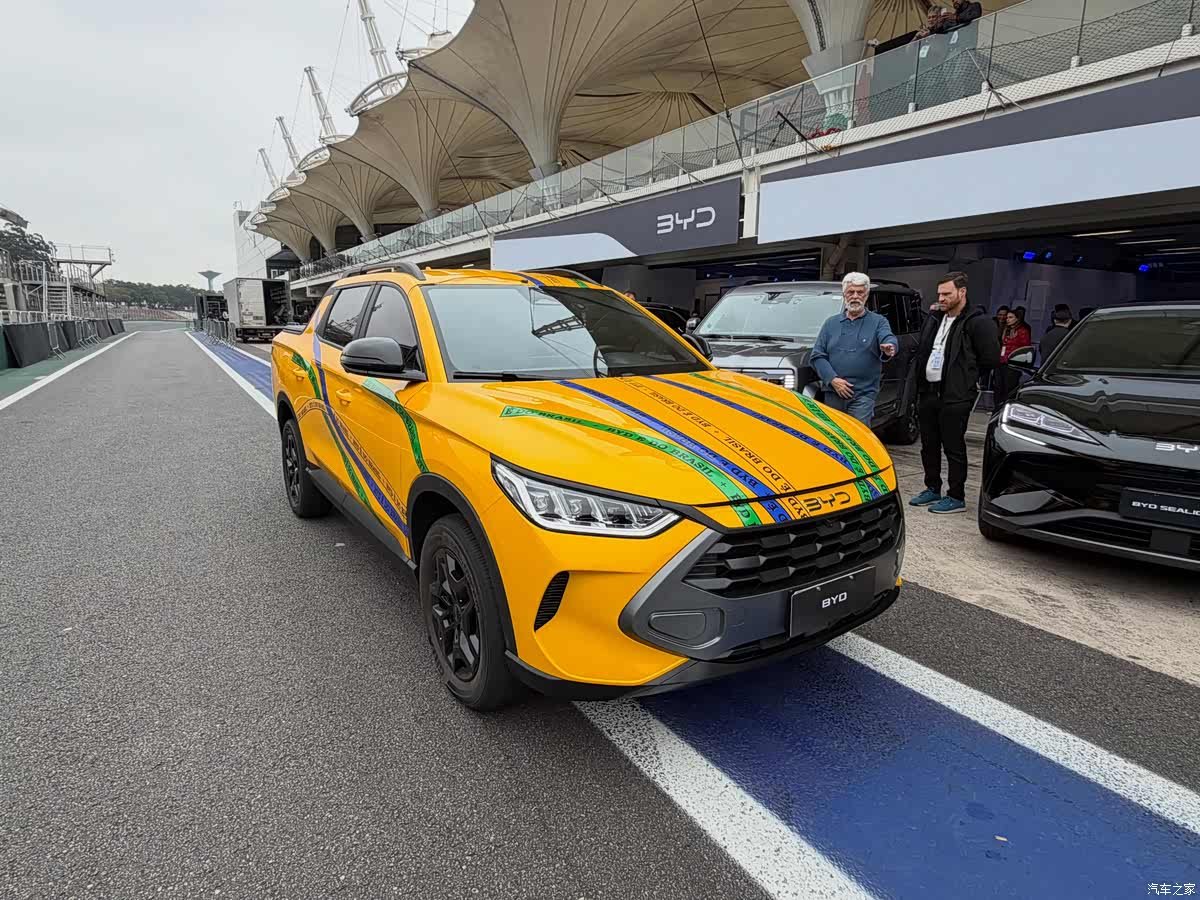
BYD has officially unveiled its second pickup truck, the Mako, in Brazil, marking a strategic expansion of its global pickup lineup. Positioned as a mid-size offering, the Mako complements the existing Shark pickup and is developed on the Song Plus platform, sharing design cues with its sibling SUV. The debut took place on August 27, 2026, with the vehicle expected to launch in Brazil in September 2026. This new BYD Mako PHEV pickup combines fifth-generation DM technology with a 1.5L engine and electric motor, delivering 166 kW (223 hp) combined output. Notably, the powertrain is compatible with ethanol fuel, aligning with Brazilian energy preferences. Initial units will be imported from China, with production later shifting to BYD’s Camaçari plant in Bahia.
Design and Platform
The Mako adopts a bold design language consistent with the Song Plus SUV, featuring an oversized front grille and a full-width LED taillight assembly. Black body protection elements and black alloy wheels enhance its rugged appeal. According to previous information, the Mako is approximately 4.8 meters long, positioning it in the competitive mid-size pickup segment. Inside, the cockpit includes a digital instrument cluster and a floating central control screen estimated at 15.6 inches, powered by the DiLink 100 system. This suite of human-computer interaction features aims to provide a modern, connected driving experience.
Powertrain and Performance
Under the hood, the Mako utilizes BYD’s fifth-generation DM (Dual Mode) technology. The powertrain consists of a 1.5L naturally aspirated four-cylinder engine paired with an electric motor. The engine alone produces 73 kW (98 hp) and 122 Nm of torque. When combined with the 12.9 kWh battery pack and electric motor, the system delivers a combined power of 166 kW (223 hp) and 400 Nm of torque. The initial version uses a DHT automatic transmission with front-wheel drive. However, BYD is expected to launch a four-wheel-drive (4WD) version, likely incorporating a rear-mounted motor for pure electric 4WD operation. This flexibility caters to diverse driving conditions and user needs.
Ethanol Compatibility and Brazilian Market
A standout feature of the Mako is its ethanol fuel compatibility, a strategic move to align with Brazilian energy preferences. Brazil is a major ethanol producer, and many vehicles there are flex-fuel, running on gasoline, ethanol, or a blend. By offering this option, BYD aims to appeal to local consumers who value renewable fuel sources. This approach also reduces the vehicle’s carbon footprint, supporting Brazil’s sustainability goals. The Mako’s launch in Brazil is part of BYD’s broader strategy to introduce five different pickup models to complete its global product matrix.
Suspension and Practical Features
For handling and load management, the Mako employs a MacPherson strut independent front suspension and a multi-link independent rear suspension. To accommodate the added weight of cargo in the bed, BYD has reinforced the springs and shock absorbers. Practical features include 18-inch wheels (235/60 R18), a tow hitch for light trailers or jet skis, and a gas-spring-assisted tailgate for easy opening. Safety and convenience are bolstered by front parking sensors and a 360-degree panoramic imaging system. These features make the Mako a versatile choice for both work and leisure.
Pricing and Competition
The Mako is expected to be priced between 200,000 and 220,000 Brazilian Reais (39,700 – 44,100 USD), positioning it against rivals like the Fiat Toro. This competitive pricing aims to attract buyers looking for a mid-size pickup with advanced hybrid technology. The Mako’s combination of performance, fuel flexibility, and modern features could disrupt the Brazilian pickup market, which has traditionally been dominated by combustion-engine models. BYD’s entry into this segment underscores its commitment to expanding its global footprint.
Production and Global Strategy
While initial units will be imported from China, production will eventually shift to BYD’s Camaçari plant in Bahia, Brazil, where it will be produced alongside the Song Pro and Dolphin. This localization strategy is part of BYD’s broader plan to enhance its presence in key markets. The Mako, or anequim in Portuguese, means mako shark, aligning with BYD’s practice of naming models after marine creatures. This naming convention is consistent with the brand’s “Marine” series, which includes the Shark pickup. BYD’s flagship pickup, the Shark, sold 20,037 units globally in H1 2026, down 25.76% year-over-year. The Mako aims to build on this foundation.
Market Context and Strategic Significance
The debut of the BYD Mako PHEV pickup in Brazil comes at a time when the global automotive industry is increasingly shifting toward electrification. Brazil, as the largest economy in Latin America, presents a significant opportunity for BYD to establish a strong foothold. The Brazilian government has been promoting the adoption of electric and hybrid vehicles through various incentives, including tax reductions and infrastructure development. BYD’s decision to introduce the Mako with ethanol compatibility is a clever adaptation to local market conditions, as ethanol is widely used and renewable. This move not only differentiates the Mako from competitors but also aligns with the country’s push for cleaner energy sources.
Moreover, the Mako’s platform sharing with the Song Plus SUV allows BYD to leverage existing engineering and manufacturing efficiencies. The Song Plus has been a successful model in China and other markets, and its platform’s proven reliability and performance bode well for the Mako. The use of fifth-generation DM technology ensures that the Mako delivers a balance of power and fuel efficiency, which is crucial for pickup truck buyers who often use their vehicles for both work and leisure.
The Mako’s entry into the mid-size pickup segment will intensify competition in Brazil, where the Fiat Toro has been a dominant player. However, the Mako’s unique selling points, such as its hybrid powertrain, ethanol compatibility, and modern features, could attract a new segment of environmentally conscious consumers. Additionally, the expected 4WD version will cater to off-road enthusiasts and those in rural areas where rugged terrain is common.
BYD’s global strategy has been to offer a diverse lineup that covers various vehicle types and segments. With the Mako, BYD now has two pickups in its lineup, and the company has hinted at plans for more models in the future. This aggressive expansion reflects BYD’s ambition to become a leading player in the global EV market, challenging established automakers with innovative and affordable options.
For overseas buyers, the Mako represents a compelling option in the growing PHEV pickup segment. As BYD continues to expand its production capabilities and global reach, vehicles like the Mako will play a crucial role in the company’s success. Stay tuned to BYD Sourcing for the latest updates on BYD’s global pickup strategy and other exciting developments.
What to Watch Next
As BYD prepares to launch the Mako in Brazil in September 2026, industry observers will closely monitor its market reception and sales performance. The shift to local production at the Camaçari plant will be a key milestone, potentially reducing costs and improving supply chain efficiency. Additionally, the expected 4WD version could broaden the Mako’s appeal, especially in regions with challenging terrain. For overseas buyers, the Mako represents a compelling option in the growing PHEV pickup segment. Stay tuned for updates on BYD’s global pickup strategy and how it shapes the EV market.
I’m Lucian from BYD Sourcing. With more than 10 years in the automotive industry and hands-on experience with export procedures and customs clearance, I help overseas buyers source Chinese EVs – especially BYD models – through official, verified channels, for both retail and wholesale. Contact us for a competitive quote.



 English
 Portuguese
 French
 Turkish
 Russian
 Arabic
 Spanish