

Will a universal spoiler fit your car? Usually only after some work. Universal spoiler fitment comes down to five measurements, one look underneath the panel, and a few interference checks. Do those before you buy and a universal spoiler can be made to work, while a vehicle-specific spoiler should go on without surprises. Skip them and even a part listed for your exact model can disappoint.
A spoiler that looks perfect in a product photo can turn into a miserable weekend. The mounting feet land on a curve instead of a flat surface. The ends hang past the body lines. The boot lid will not open. Or worse, the holes are already drilled when you notice the part does not follow the panel.
Fitment problems are expensive in a specific way: they are hard to undo. A bad paint match can be corrected. A set of holes in a boot lid, a leaking seal or a cracked panel after a poorly supported wing flexes at speed cannot be quietly reversed. That is why fitment deserves more attention than any other decision in the process, including which spoiler you like the look of.
If you are still choosing a shape, start with our guide to the types of car spoilers. If you are weighing a raised wing, read spoiler vs wing first, because wings ask much more of the mounting surface.

Universal spoiler fitment: what the word actually promises
In the aftermarket, "universal" usually means the part was built to a generic size rather than to a specific vehicle. It can be adapted to many cars, but it will not bolt to any of them without work. Treat a universal spoiler as a fabrication project — measuring, drilling, bracket positioning and sometimes reinforcing the panel — rather than a bolt-on promise.
A vehicle-specific spoiler is the opposite. It was designed around one body, so the width, the curve of the mounting surface and the position of the fixing points are already resolved. If the part is made for your model, generation and body style, installation is largely a matter of following the fitting instructions.
Neither option is automatically better. Universal parts give you freedom and choice. Vehicle-specific parts give you predictability. What matters is knowing which one you are buying.
Why two identical-looking cars can take different spoilers
Model name is the weakest piece of information in the whole fitment puzzle. Two cars that look the same on a forecourt can have different boot lids, different factory options and different mounting points.
Four variables change the answer:
- Model year and generation. Manufacturers revise boot lids, tailgate shapes, light clusters and spoiler options within a single generation. A part listed for a five-year range may not fit every year in that range in the same way.
- Body style. A sedan deck-lid spoiler and a hatch-mounted wing are not interchangeable, even when the cars share a platform. Coupe, convertible, estate, and long-wheelbase versions all bend the answer too.
- Trim and factory options. Sports trims frequently leave the factory with a spoiler already fitted. A replacement for those cars must match the original mounting, and a car without the option needs something designed to cover fresh holes.
- What has happened to the car since. Collision repairs, replacement panels, aftermarket tailgates and widebody conversions all move the surface the spoiler sits on. A part that fitted a factory car may not fit a repaired one.
This is why we ask for the model, model year, market version and body style (or the VIN) before quoting anything, and why we treat "it’s a Seal" or "it’s a Dolphin" as the start of the conversation rather than the end of it.
Universal spoiler fitment: the five measurements that decide it
Take a tape measure to the car before you take your card out. Five numbers will tell you whether a part has a chance.
1. Overall width against the mounting surface. Measure the usable flat width of the boot lid or tailgate, then compare it with the overall width of the spoiler. A wing that is wider than the body lines will look wrong even if it fits physically.
2. Width of the flat area under each mounting foot. This is the number that decides whether the part sits flush or rocks on a curve. Measure the flat surface available at the exact point where each foot will land.
3. Front-to-back depth. On a boot lid, the gap between the top of the deck and the rear glass is usually tight. A deep pedestal design can foul the glass or the glass trim.
4. Height and angle. A taller part affects rearward visibility, and on a hatchback or SUV it changes the load on the tailgate struts. Check the height against the roof line and the angle against your sight line out of the rear window.
5. Fixing point spacing. If the part is designed to reuse factory holes, the spacing has to match what is already on your car. If it needs new holes, this is where a drilling template earns its value.
Write the numbers down and compare them with the part before you buy. If a listing does not publish dimensions, ask for them. A supplier who cannot produce measurements cannot promise a fit.
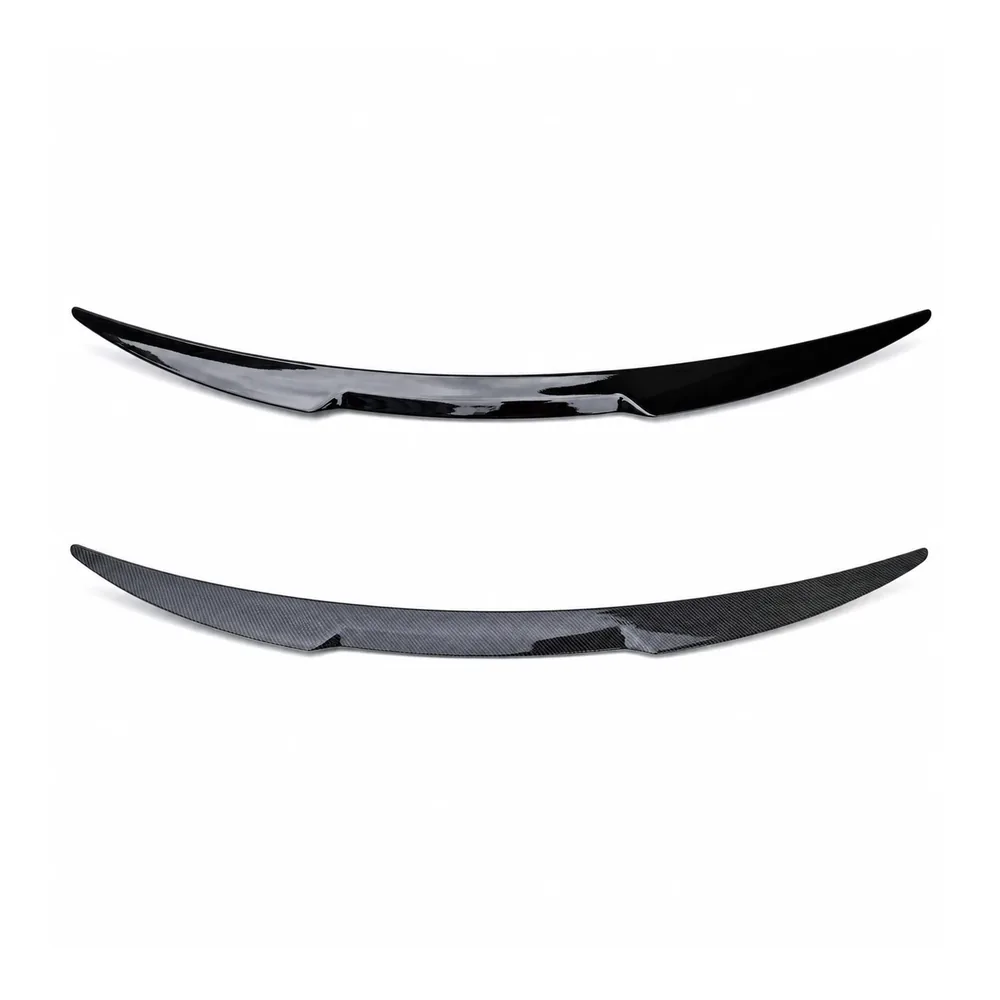
Look underneath before you drill
The outside of the boot lid is only half the story. Open the boot and inspect the inner panel before any drilling happens.
You are looking for four things: the inner braces that stiffen the panel, the boot springs or struts, the wiring harness and any camera or light cables, and the trim clips that hold the liner in place. You need clear access to tighten hardware from underneath, and you need to be certain that a bolt will not end up crushed against a brace or rubbing through a wire over the following months.
This matters more as the part gets bigger. A lightweight lip spoiler may use tape, small studs or both, and the load on the panel is modest. A raised wing acts like a lever on the deck lid, especially at motorway speed, so it needs solid hardware and — where the panel calls for it — backing plates to spread the load.
While you are in there, check the sealing route. Any new hole that passes into the boot or tailgate area will need deburring, corrosion protection and sealant, so plan where the hardware will sit before anything is drilled.
Interference: the checks people forget
A spoiler can fit perfectly and still break something else on the car. Before committing, run through the systems at the back of the vehicle.
High-mount brake lights. Many roof and tailgate spoilers either contain the brake light or sit directly above it. If yours has one integrated, the part has to be made for the vehicle.
Reversing and surround cameras. A camera mounted in the tailgate handle or badge has a fixed field of view that a large spoiler can intrude on.
Rear wipers. On hatchbacks and SUVs, the wiper sweeps across the glass directly below most roof spoilers. Check the sweep before and after.
Powered tailgates. Extra weight changes how a powered tailgate behaves, and a weak strut will struggle. Cycle the tailgate fully with the part test-fitted and watch for contact with the roof line or glass.
Parking sensors and ADAS. Rear sensors in the bumper are usually unaffected by a spoiler, but a camera-based system that relies on a rear view can be, and any part that changes the vehicle’s dimensions may matter for local regulations.
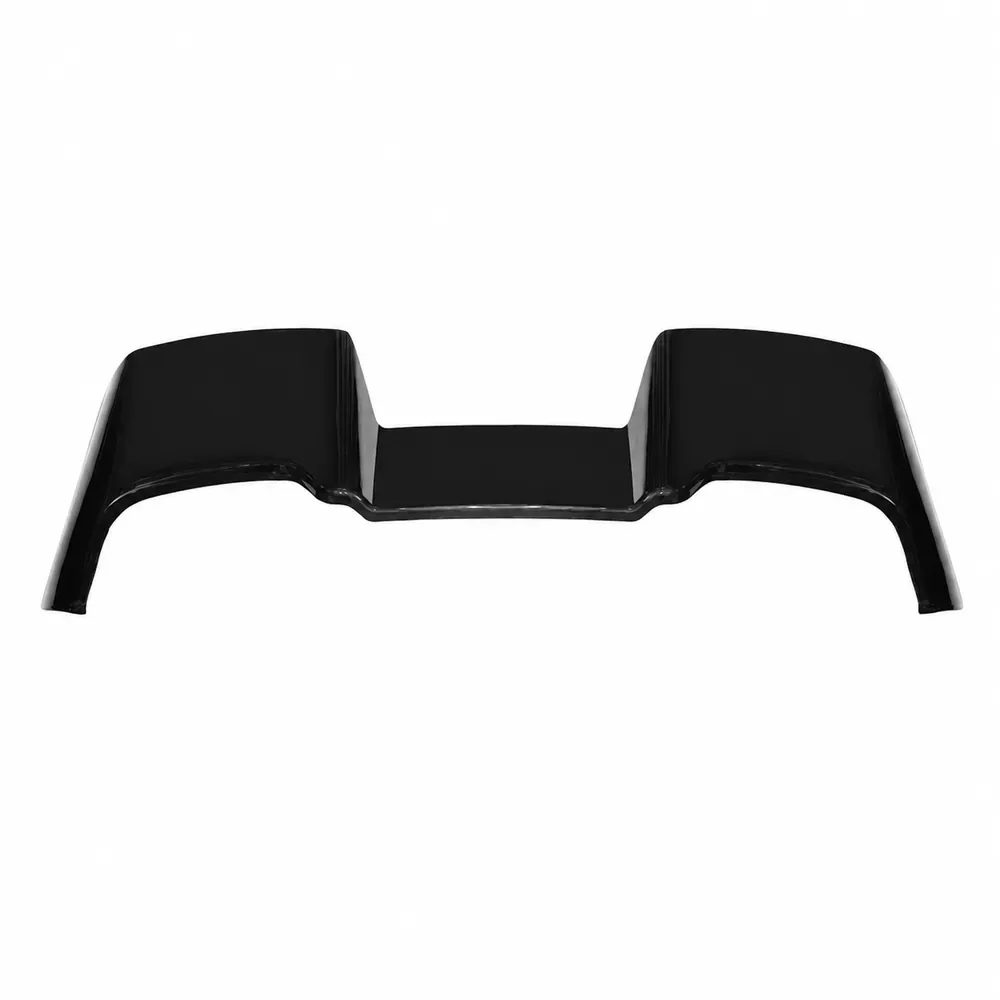
Reading a listing correctly
Aftermarket listings use a small vocabulary that does a lot of work. Learn to read it and the guesswork largely disappears.
"Direct fit" or "vehicle specific" means the part was designed for a particular model and generation, and it should use the original mounting. Verify the year range covers your car exactly.
"OEM style" or "factory look" describes the shape, not the origin. It usually means an aftermarket part designed to resemble the factory piece. It says nothing about whether it will reuse your factory holes.
"Universal" means generic dimensions and generic mounting, with all the adaptation that implies.
"Paintable" means it is supplied ready to be painted, not painted. "Paint matched" means it is already finished in a colour, and it should be ordered against the paint code from your vehicle’s compliance or door-jamb label rather than the colour name.
Vehicle-specific or universal? An honest comparison
| Vehicle-specific spoiler | Universal spoiler | |
|---|---|---|
| Fit out of the box | Designed around one body style and generation | Needs measuring, positioning and often drilling |
| Mounting | Usually matches factory points, or comes with a template | Generic feet or brackets; you set the spacing |
| Risk of interference | Low, if the year and trim match | Higher — check the glass, wiper, camera and tailgate yourself |
| Finish options | Usually matched to the model, in several finishes | Wide choice, less model-specific |
| Best for | A clean, reversible, factory-style result | Custom builds and cars with no specific part available |
| Time and skill needed | A few hours with basic tools | A fabrication project with measuring, drilling and sealing |
Checking fit on a BYD
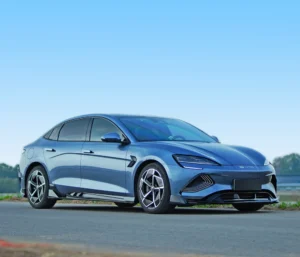
BYD sells several different rear-end designs, and the same car can carry different names in different markets, so parts are not interchangeable across the line-up. Use the body type to narrow the search (our spoiler types guide maps each type to a body shape), then confirm the exact listing:
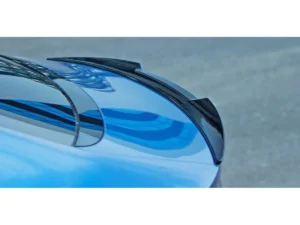
- Boot-lid sedans such as the Seal take a spoiler along the trailing edge of the boot lid, for example the Rear Spoiler Wing for BYD SEAL.
- Sedans with a roof option. For the BYD King and the BYD SEAL 5 DM-i we list both boot-lid and roof spoilers, such as the Roof Spoiler Wing for BYD KING and the Blade Trunk Spoiler for BYD SEAL 5 DM-i. Confirm the model year and market version with us before ordering.
- Hatchbacks such as the Dolphin mount the spoiler at the top of the tailgate. See the Rear Roof Spoiler for BYD DOLPHIN and its gloss black version. The wiper and camera positions are the checks that matter most.
- SUVs and crossovers such as the Sealion 7 and Seal U DM-i take a roof spoiler at the top of the tailgate, and the Seal U DM-i also has a mid spoiler option. See the Roof Spoiler Wing for BYD SEALION 7 and the Mid Spoiler Wing for BYD SEAL U DM-i.
If your car has had a replacement boot lid, tailgate or bumper, tell us. A repaired panel can change the answer.
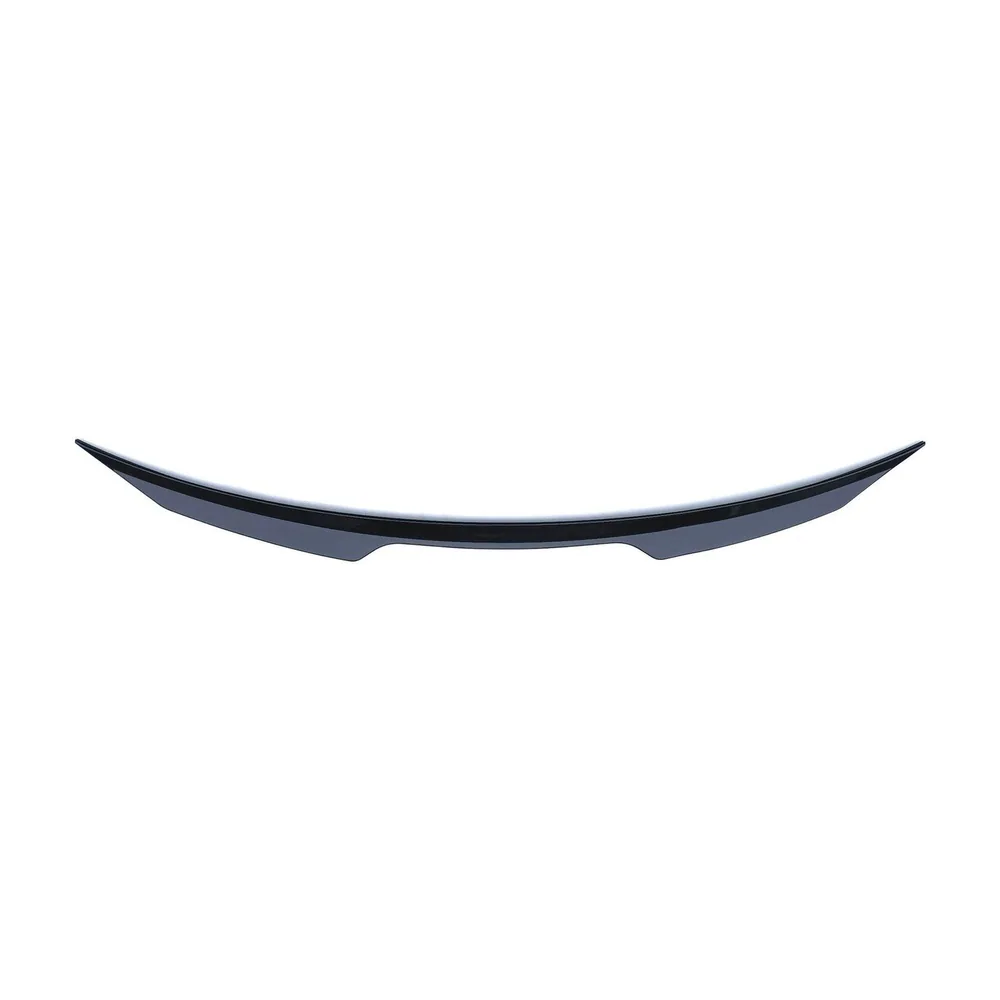
A fitment checklist you can work through
- Confirm the exact model, year, generation, body style and trim.
- Check whether the car left the factory with a spoiler, and whether any part has been changed since.
- Measure the five dimensions: overall width, flat foot area, front-to-back depth, height and angle, and fixing point spacing.
- Inspect under the boot lid or tailgate for braces, springs, wiring and liner clips.
- Test-fit with painter’s tape before drilling or painting anything.
- Cycle the boot lid, tailgate or rear screen through full travel and watch for contact.
- Check the brake light, camera, wiper and sensor functions with the part in place.
- Confirm how the part is fixed, and whether the panel needs backing plates or reinforcement.
- Plan the sealing and corrosion protection for any new hole before you drill it.
- Match the finish to the vehicle paint code if you are going paint-matched.
Ten steps sounds like a lot until you weigh it against the alternative: a part that never sat flat, four holes you did not want, and a boot lid that leaks.
Frequently Asked Questions
Can a spoiler go on any car?
Most cars can take some form of spoiler, but not every part fits every car. Lip and roof spoilers are adaptable; raised wings need a mounting surface that can take the load. What no car can do is accept a part whose width, curve and fixing points do not match it.
What is the best car spoiler for my vehicle?
The one designed for your exact model, generation and body style. If no specific part exists, a universal spoiler can work, but budget time for measuring, drilling and bracket work, and expect a project rather than an installation.
How do I measure for a rear spoiler?
Measure the flat width of the boot lid or tailgate at the mounting line, the flat area available under each mounting foot, the depth from the mounting line to the rear glass, the height and angle you can accept, and the spacing of any existing holes. Compare all five against the part before buying.
Will a spoiler fit if my car already has one from the factory?
Only if the new part is designed to work with the existing mounting, or if you are prepared to handle the holes underneath. Removing a factory spoiler often reveals exposed holes, faded paint and clips that need replacing, so reusing the original fixing points is usually the cleanest route.
Do universal spoilers need drilling?
Usually, yes. Most universal parts lack a template matched to your car, so the mounting feet have to be positioned, marked and drilled by whoever fits them. Some universal lip spoilers can be taped, but that depends on the part being light and sitting flush on a suitable surface.
How do I know if the spoiler will clear my tailgate or boot lid?
Test-fit it with painter’s tape, then open and close the panel slowly through its full travel. Look for contact with the rear glass, the roof line, the wiper arm and any body add-ons. On a powered tailgate, also check that the struts are comfortable with the extra weight.
Not sure it will fit? Send us the car
Fitment is the one part of buying a spoiler where a short message saves a long weekend. Send us the model, model year, market version and body style, plus a photo of the rear of the car or your VIN. We will confirm which of our listings match it before you pay, and share the installation information we have for that part. Finish options vary by part, so check the listing photos and confirm the finish when you ask for a quote.
For trade buyers: MOQ is 1 piece, and pricing is tiered, so the unit price keeps falling as quantity rises, with no upper limit. We ship on FOB or EXW terms, or DDP/DAP to some countries. Parts are usually in stock unless the order is a new ODM design, and orders under 100 sets ship directly with no production lead time.
Start with the Spoilers & Wings range, check your model on the BYD model list, then request a quote.
References
- Aftermarket Spoiler Fitment Guide for a Clean Build — My Pro Street — https://my.prostreetonline.com/2026/09/04/aftermarket-spoiler-fitment-guide/
- How to Choose a Universal Rear Spoiler Bracket: Can Any Spoiler Fit Any Car? — Alibaba Car Interior Buying Guide — https://carinterior.alibaba.com/buyingguides/universal-spoiler-fitment-guide-buying-tips
- Universal Car Spoilers vs Custom-Fit: The Ultimate Guide — EV Parts 4×4 — https://evparts4x4.com/blogs/featured-articles/choose-universal-custom-car-spoilers
- Spoiler (car) — Wikipedia — https://en.wikipedia.org/wiki/Spoiler_(car)
- Rear End Spoiler Package Installation Instructions — General Motors (PDF) — https://ecommerce-assets.ext.gm.com/assets/products/documents/ISheets_84503539.pdf
- How Easy Is It To Install a Spoiler Myself? — CARiD — https://www.carid.com/articles/how-easy-is-it-to-install-spoiler-myself.html

 English
 Portuguese
 French
 Turkish
 Russian
 Arabic
 Spanish