

You have picked out the kit — a front bumper, side skirts, a rear diffuser, a wing. Then you discover that Oman has something most owners have never heard of: a vehicle modification permit, issued as an official government service. It sounds like a bureaucratic detour before a simple styling upgrade.
In practice, it is the opposite. Oman’s system is one of the most straightforward in the region, because the question is answered up front: you apply for the permit, you do the work, and the car’s records stay clean. There is no annual inspection waiting to catch you out on a technicality for a private car under ten years old, and no complicated certification regime for a bolt-on spoiler.
Here is the straight answer: a body kit is legal in Oman. For a standard bolt-on styling kit, the process comes down to getting the modification permit from the Royal Oman Police (ROP), fitting the parts properly, and keeping the car compliant with the technical requirements. This guide explains how that works for a BYD.
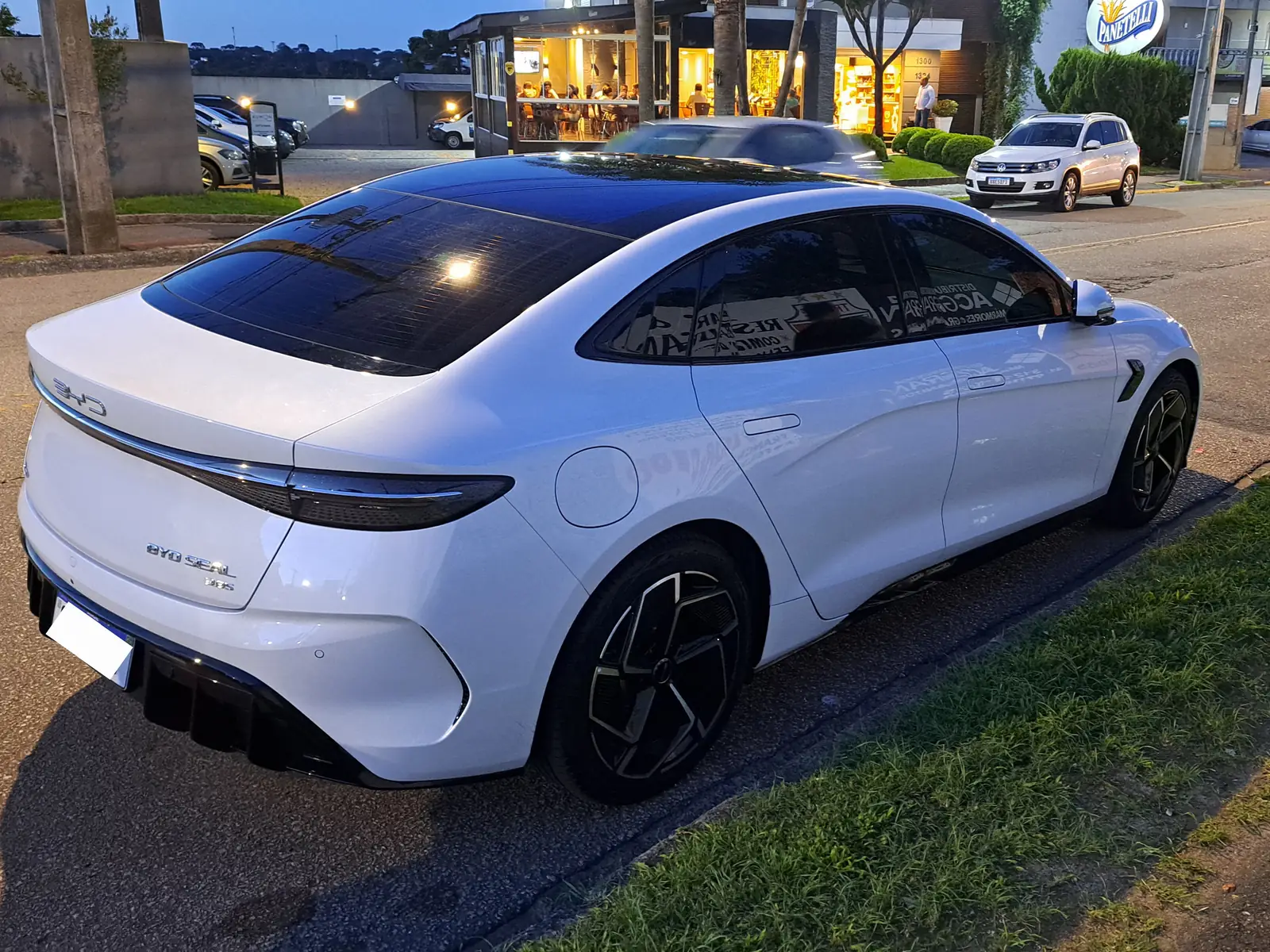
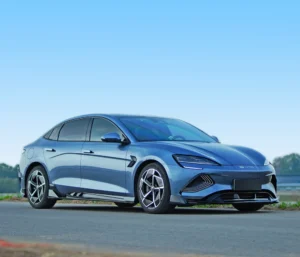
Photo: Mateusmatsuda / Wikimedia Commons (CC BY 4.0)
The short answer: body kit legal in Oman means permit first
Oman does not ban aftermarket exterior parts. What it has is a formal route for approving changes to a registered vehicle — the vehicle modification permit, published as a service on the national government portal, Gov.om.
That is genuinely good news, because it means the answer to "can I fit this?" is available before you spend money:
| What you fit | Position in Oman |
|---|---|
| Bolt-on styling parts that do not change the car’s structure | Modification permit, then fit them properly |
| A kit that changes the car’s recorded dimensions or other technical data | Permit, and the vehicle’s records are updated |
| Anything that changes how the car is used, or its category | Permit required before the work is done |
| Structural cutting or welding | Not a styling job — expect a much harder approval path |
| Anything that blocks the plate, lights or mirrors, or creates a dangerous projection | Fails the technical requirements, permit or not |
The important distinction is between a cosmetic, bolt-on change and a structural change. The first is what most BYD owners are doing, and it is the case the permit process handles.
What the technical requirements really check
Oman’s vehicle technical inspection is not a yearly appointment for every car. It is a suitability check used in specific situations — new registration, re-registration, renewal, import, export, and some ownership transfers — and the trigger depends on the vehicle type, its age and the procedure being requested.
A few details are worth knowing, because they explain why a well-built kit rarely causes trouble:
- For renewal, ROP’s guidance identifies private vehicles that have completed 10 years, as well as commercial vehicles, buses, trucks and pickup trucks. An ordinary private car below that age is not automatically in the annual inspection cycle.
- The inspection fee is OMR 5 for light vehicles and motorcycles, and the required document is the vehicle registration.
- Inspection is also part of ownership transfer, which is why a car with undocumented modifications becomes difficult to sell.
- Inspection is required for re-registration of cancelled or auction vehicles, and can be part of import and export procedures.
In other words: Oman is not checking your spoiler every year. What it does do is make sure that when the car *is* inspected — at a transfer, at re-registration, or once it passes ten years — it matches its records and meets the technical requirements.
How to approach the modification permit
The permit exists as an official service on Gov.om, and the practical sequence is the one that keeps everything clean:
- Apply for the permit before the work. Describing the change in advance is what protects you from having to reverse it later.
- Use a workshop that knows the process. A garage that has done modification permits before will know which details the application needs and how to document the work.
- Keep the car compliant while the work is done — plate, lights, mirrors and reflectors visible, nothing sharp or protruding, nothing in contact with the wheels.
- Keep every document. The permit, the workshop invoice, the parts paperwork and photos of the finished car together form the record that makes future inspections and resale simple.
- Tell your insurer. Your policy describes a standard car until you tell them otherwise.
If anything in your plan changes the vehicle’s structure, or how the car is used, raise it at the permit stage rather than after the parts are fitted.
Who does what: you, the seller, the workshop and the ROP
| Who | What they handle |
|---|---|
| You | Choose the parts, apply for the modification permit, and keep the documents together |
| The seller | Accurate product information: the exact part, the model and year it fits, the material, the weight, the mounting points and photos of the fixings |
| The workshop | Fits the kit properly, keeps a record of the work and invoices the job |
| The Royal Oman Police | Issues the modification permit and carries out technical inspections where they are required |
What you want from the seller is accurate information about the part and the car it fits: the correct part number for your model year, the material and weight, how it mounts, and photos of the fixing points. That is what your workshop works from, and it is what we send with every kit we ship.
Fitment: model year, drilling, and going back to stock
A body kit is not a universal product, and BYD’s line-up proves it. A Seal, an Atto 3, a Dolphin, a Sealion 7 and a Shark 6 share almost nothing at the mounting level, and facelifted versions of the same model can change the bumper shape, the sensor layout and the tow-hook cover.
Before you buy, give the seller the model, model year, trim, market version and VIN. A supplier that will not ask for the VIN is guessing. Our BYD model lineup is a useful starting point if you are still confirming which generation you own, and our BYD exterior accessories hub lists styling parts by model.
Three fitment questions matter more than any photo:
- Sensor and camera cutouts. If the original bumper carries ultrasonic sensors, a front radar or washer jets, the new one must provide the right openings and brackets. Cutting them by hand is the most common source of problems — which is why we mold every kit around the openings on your car.
- How it is fixed. Original mounting points, with screw holes molded to match the OEM positions. If you would rather not drill at all, parts such as the no-drill front bumper lip for BYD Seal are designed for that approach.
- Whether you can go back. With a bolt-on kit, returning to standard means unbolting the parts and refitting the originals — which keeps the car easy to sell and easy to present at inspection.
Popular BYD styling parts for Omani builds
The parts Omani owners ask for most are clean, factory-style upgrades that keep the car practical on long coastal drives and hot summer roads:
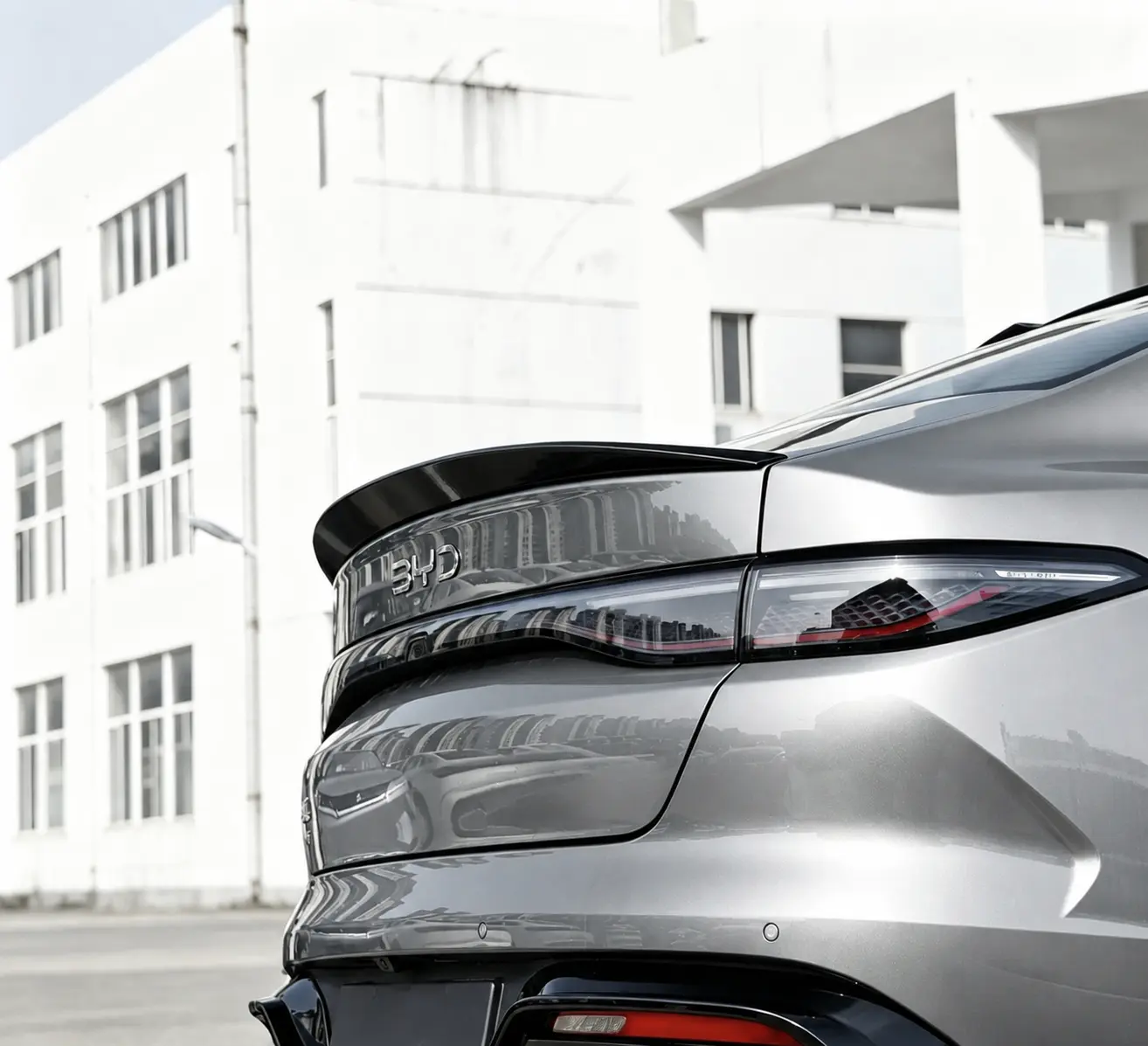
- A PP body kit for BYD Seal 7 DM-i for a complete front, side and rear upgrade in one order.
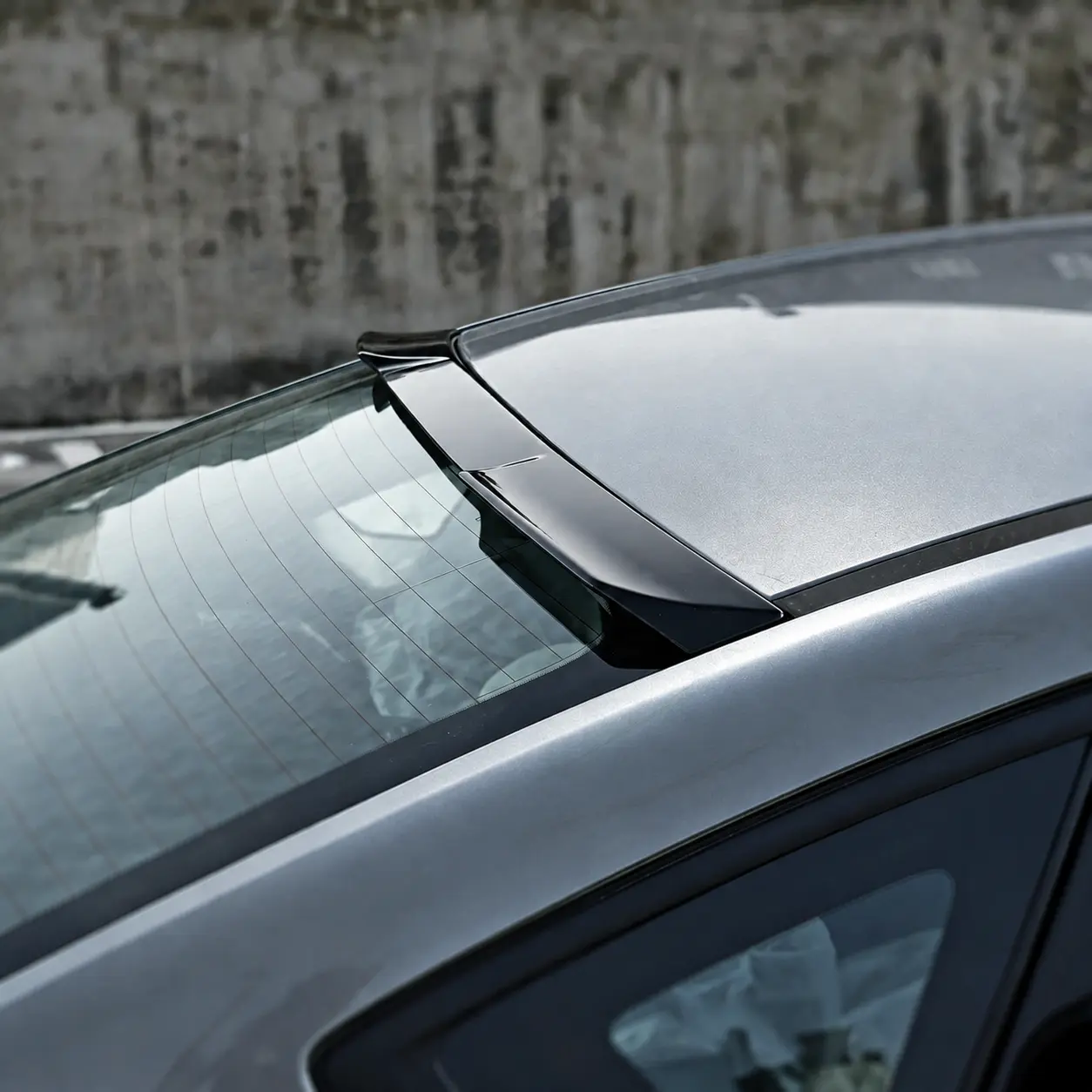
- A roof spoiler wing for BYD Sealion 7 to finish the rear roofline.
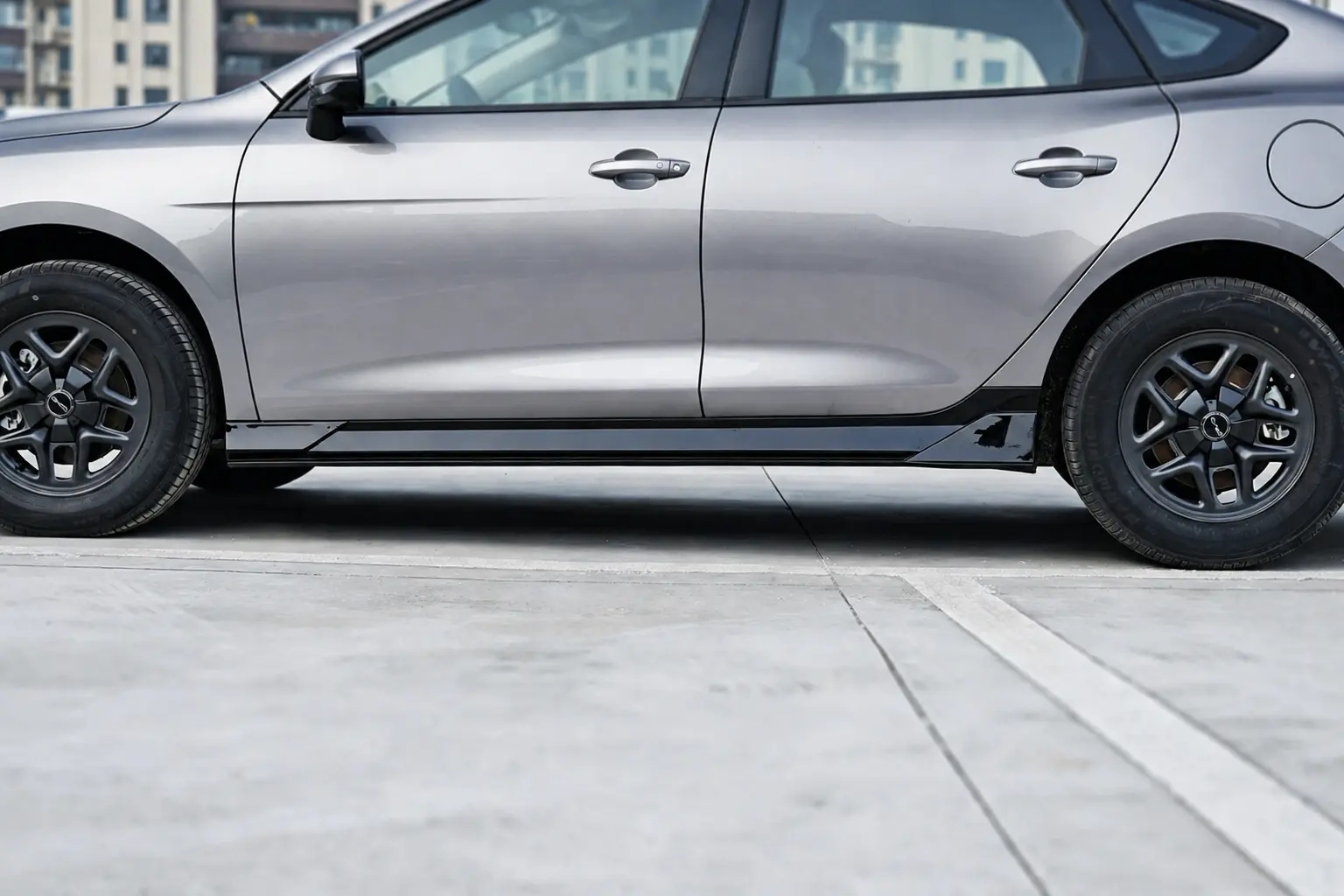
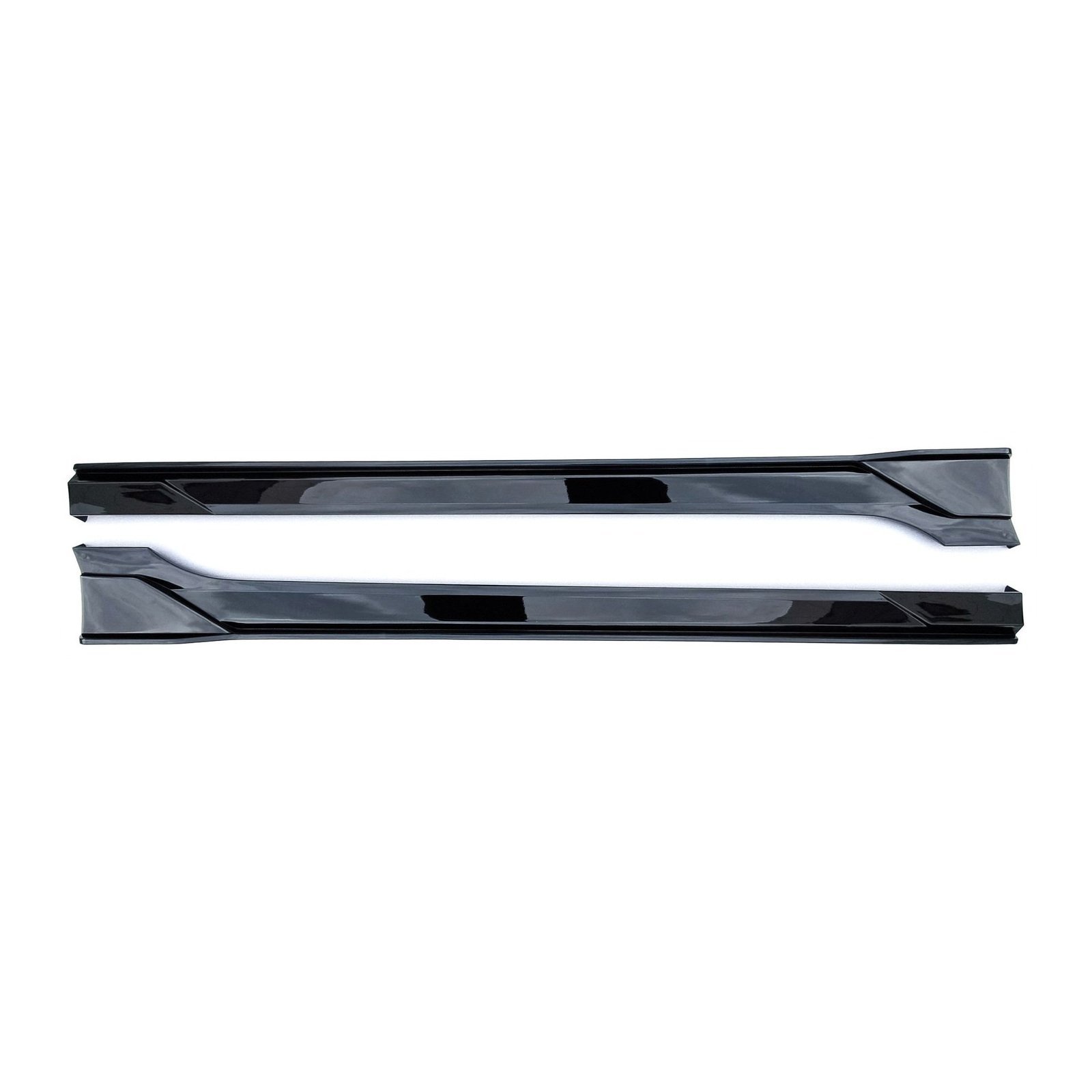
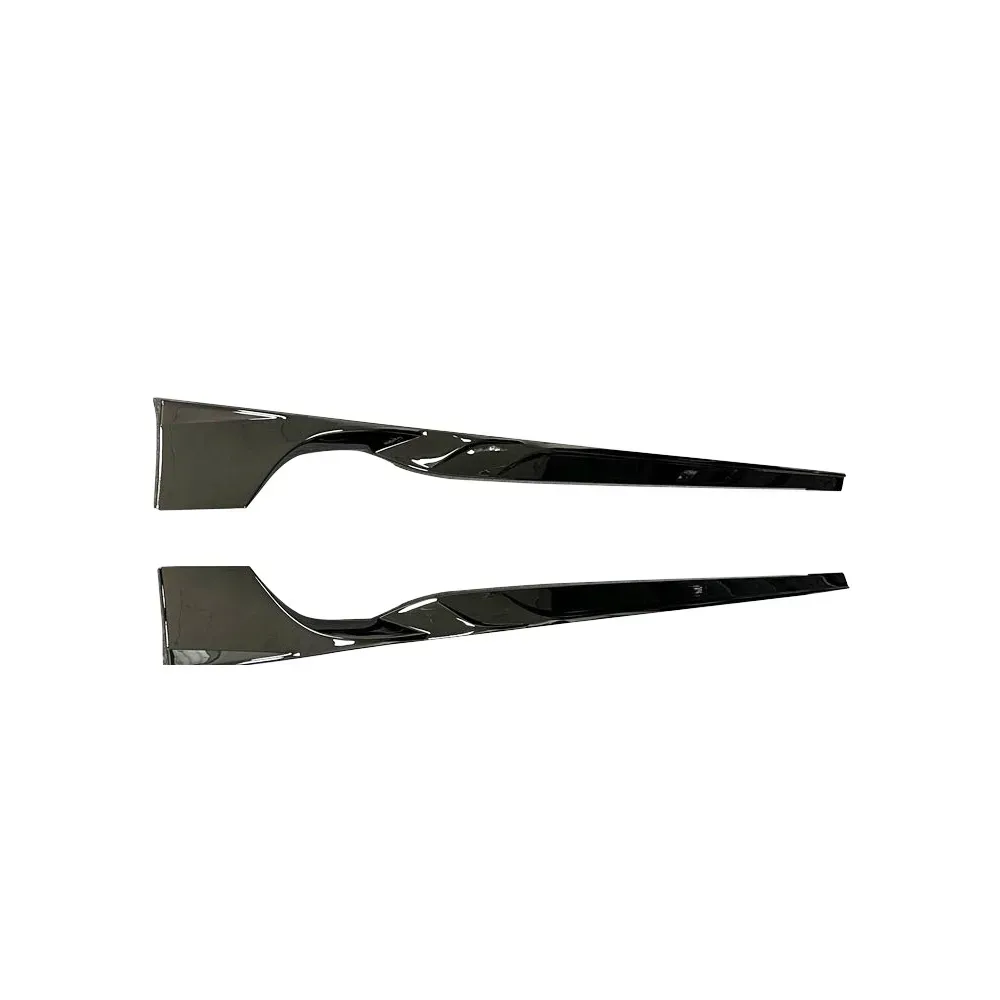
- Side skirts for BYD Sealion 7 to close the gap along the sills.
- A rear bumper diffuser for BYD Sealion 7 for a finished rear end.
All of them bolt on, and the full BYD accessories range covers interior, exterior and replacement items if you are building a complete car.
Radar, cameras, ADAS and the tailgate
Modern BYDs are sensor platforms. Front radar modules, ultrasonic park sensors, surround-view cameras, rain sensors and lane-keeping cameras are spread across the bumper, grille and windscreen area, and they are part of what a technical inspection expects to find working.
Replacing a bumper that carries those sensors is a different job from adding a cosmetic lip, because a sensor that is moved, tilted or shielded no longer sees what it is supposed to see. In practice: the new bumper has to hold the radar and sensor modules at the same height, angle and depth as the original; the workshop should run the calibration routine the manufacturer specifies; and power tailgates, soft-close doors and sensor-triggered features should be tested through a full cycle before the car leaves the workshop.
Materials, paint and Omani conditions
Kit materials are usually ABS, polyurethane, fiberglass or carbon fiber, and each one has a job. Polyurethane (PU) flexes, handles heat cycling well and shrugs off parking knocks, which is why it is the usual choice for full bumper replacements on daily-driven cars. ABS is lighter on cost, takes paint well and suits lips, grilles and trim. Fiberglass is easy to shape and repair and is popular for custom widebody work. Carbon fiber is the lightest option and the one buyers choose when weight and finish matter most.
Two Omani conditions are worth planning for. First, heat and UV — a part painted without proper primer and a UV-stable clear coat will fade long before the factory panels do, so ask your paint shop for a UV-stable clear coat and, on metallic finishes, for blending into the neighbouring panels. Second, coastal air. In Muscat and along the coast, salt and humidity work on every fixing and every exposed surface, which is another argument for a kit that is properly bolted and properly finished rather than held on with a few adhesive patches.
High-speed vibration is almost never a material problem. It comes from insufficient fixing: too few fasteners, adhesive-only joints, or brackets that were never designed for the load. If a wing or diffuser moves when you push it by hand, it will move far more at highway speed.
Insurance: declare it and keep the paperwork
Omani motor policies are issued on the basis of the vehicle as described to the insurer. If a body kit changes that description, tell your insurer in writing before the work starts, and keep the modification permit and workshop documents with the policy.
There are two reasons. An undeclared modification can complicate a claim after an accident, and a car whose records do not match its parts is harder to sell — inspection is part of the ownership transfer process in Oman, so anything undocumented eventually has to be explained.
After the install: inspections, transfers and resale
This is where Oman is easier than its neighbours for most owners. For an ordinary private car under ten years old, technical inspection is not an annual routine; it belongs to specific procedures — renewal for older private cars and for commercial vehicles, re-registration, import and export, and ownership transfer.
That structure rewards doing the paperwork once, properly. A car with a modification permit on file, a documented installation and visible compliance with the technical requirements moves through a transfer or an inspection without drama. A car with undeclared parts becomes a negotiation point the day you decide to sell it.
Why the effort is worth it
None of the above is a reason to skip the kit. It is a reason to buy one that fits and to handle the permit properly.
A bumper that reuses the factory mounting points, keeps every sensor opening in place and arrives with real fitting data is the easy case in Oman: it is a cosmetic upgrade, it is reversible, and it keeps the car’s records straightforward. You end up with the car you wanted, on the road, with nothing to explain.
Body kit legal in Oman: a pre-purchase checklist
| Check | Why it matters |
|---|---|
| Model, year, trim and VIN confirmed by the seller | Facelifts and market versions change bumpers and sensor layouts |
| Modification permit applied for before the work | The permit is the document that keeps the car’s records clean |
| Kit bolts to the original mounting points | Easier to fit, easier to inspect, easier to reverse |
| No cutting, welding or structural work | Structural changes need a much harder approval path |
| Plate, lights, mirrors and reflectors stay visible | Part of the technical requirements, permit or not |
| No dangerous projections or sharp edges | A safety requirement, not a style question |
| Sensor, camera and radar positions documented | Prevents ADAS and parking-system failures after fitting |
| Workshop keeps invoices and photos of the finished car | The record that makes transfers and inspections simple |
| Heat- and UV-suitable material and paint | Omani sun and coastal air punish poor preparation |
| Insurer notified in writing | Keeps the policy aligned with the car |
Frequently Asked Questions
Are body kits legal in Oman?
Yes. Oman has a formal vehicle modification permit service, published on Gov.om, and a bolt-on styling kit is the straightforward case: apply for the permit, have the parts fitted properly, and keep the car compliant with the technical requirements.
Do I need a permit before fitting the kit?
Yes — applying before the work is done is what keeps the car’s records clean and avoids having to reverse the modification later. The permit is also the document that makes future inspections and transfers straightforward.
How often do cars need technical inspection in Oman?
For renewal, ROP’s guidance identifies private vehicles that have completed ten years, as well as commercial vehicles, buses, trucks and pickup trucks. Inspection is also required for re-registration, for import and export procedures, and as part of ownership transfer.
What does an inspection cost in Oman?
The published fee is OMR 5 for light vehicles and motorcycles and OMR 10 for heavy vehicles and equipment, and the required document is the vehicle registration.
Can I fit a spoiler or side skirts in Oman?
Yes, provided the parts are properly fitted, do not affect the car’s structure, and do not block the plate, lights, mirrors or reflectors. Keep the permit and workshop documents with the car.
What product information should come with the kit?
Enough for your workshop to fit it and for the permit file to describe it: the part and model identification, the material and thickness, mounting drawings or photos of the fixing points, and the weight. We include that pack with every kit we ship.
Get a fitment-matched BYD body kit for Oman
If you would rather not discover the technical questions after the parts arrive, start with the fitment check. We supply BYD exterior accessories and body kits for the full BYD range — complete kits, or individual front and rear bumpers, side skirts, lips, diffusers, wings and spoilers.
Three details matter here. First, our bumpers are not glue-on parts: the screw holes are molded to match your car’s original mounting points, so the kit fixes the way the factory bumper fixes. Second, sensor openings, washer jets and brackets stay in their factory positions, so the bumper goes on and the assistance systems recalibrate normally. Third, every order ships with the fitting pack your workshop needs — part identification, material spec, mounting photos and weight — and you get one-to-one support from the person who matched your parts if a question comes up mid-install.
We ship from China with MOQ 1 piece, and we also handle bulk orders and dropshipping for accessory shops, garages and resellers across the Gulf. Send us your model, year and VIN, and we will confirm compatibility before you pay — then request a quote with the parts and delivery terms you need. If you also buy vehicles, our global sourcing service covers cars and parts in the same order.
References
- Get Vehicle Modification Permit — Gov.om (Government of Oman) — https://gov.om/en/w/get-vehicle-modification-permit
- Vehicle Inspection in Oman: Requirements, Fees and Renewal — The Oman Hub — https://theomanhub.com/vehicle-inspection-oman/
- ROP sets regulations for car technical inspection services — Oman Observer — https://www.omanobserver.om/article/1166583/oman/rop/rop-sets-regulations-for-car-technical-inspection-services
- Vehicle registration and driving licensing services — Gov.om — https://gov.om/w/vehicle-registration-and-driving-licensing

 English
 Portuguese
 French
 Turkish
 Russian
 Arabic
 Spanish