

You found the kit you want — a front bumper, side skirts, a rear diffuser, a wing. Then you read one Spanish forum thread and suddenly it sounds like you need an engineer, a laboratory, a workshop certificate and three trips to the ITV before the car can legally move.
Getting this wrong is expensive in a very specific way. A kit that is installed but never registered can be rejected at the next ITV, pulled off at a police check, and used by your insurer as a reason to reduce or refuse a claim after an accident. The parts are usually the cheapest part of the mistake.
Here is the straight answer: a body kit is legal in Spain, but only after it is processed as a *reforma de importancia* and written into the car’s ITV card. You buy the kit, a workshop fits it, an engineer or approved lab issues the paperwork, the ITV inspects the car, and the reform is recorded.
It sounds heavier than it is. In Spain the roadworthiness inspection is called the ITV — the equivalent of an MOT in the UK or the TÜV in Germany, and the place where any modification is checked and recorded. For a normal styling kit, the whole process usually comes down to one engineer’s report and one visit to an ITV station.
This guide splits the two things that get tangled up when you read about this for the first time: what the law and the ITV require, and who actually handles each document — and what to check in the product itself, from fitment and sensors to materials, paint and shipping.
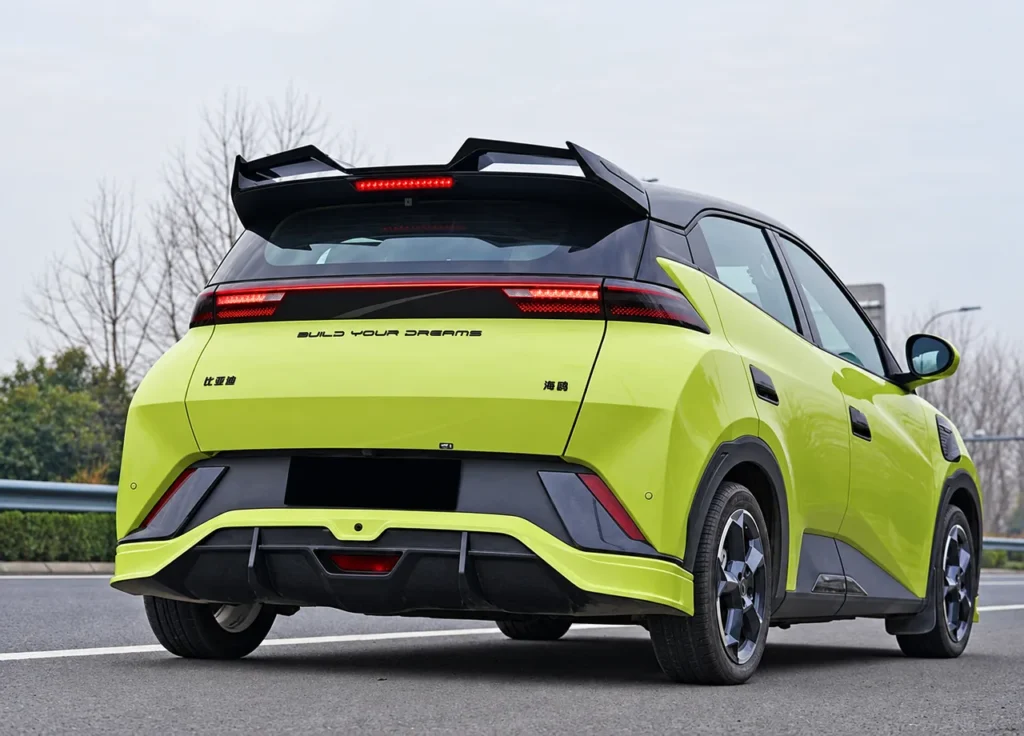
The short answer: body kit legal in Spain means homologación first
Spain has no general ban on aftermarket exterior parts. What it has is a registration system. Any change made to a car *after* it is definitively registered in Spain that alters its characteristics — or could alter the requirements it has to meet — is treated as a modification and has to be legalized.
That rule comes from Royal Decree 866/2010, which governs the processing of vehicle reforms, and from the Manual de Reformas de Vehículos, the technical manual that lists every type of reform with a code and the documents it needs. The DGT’s own guidance names bodywork as one of the areas that triggers the process, right alongside the engine, suspension, brakes and lighting.
So the practical answer depends on what you fit:
| What you fit | Reform in Spain? | What it normally needs |
|---|---|---|
| Front or rear bumper that differs from the original | Yes | Technical project, conformity report, workshop certificate, ITV inspection |
| Rear wing or bolt-on spoiler | Yes | Same route — spoilers are named in the manual |
| Side skirts, fixed steps | Yes, with one exception | No technical project if the added mass stays under 3% of running order mass |
| Front lip, splitter, rear diffuser | Usually yes | Assessed for overhang, ground clearance and radii |
| Widened wheel arches, widebody panels | Yes | Larger project, dimensions and masses re-checked |
| Adhesive trim, exhaust tips, mirror covers, mud flaps, parking sensors and cameras, small bonded lip spoiler | No | Listed in the manual as not being a reform |
One important detail: replacing a bumper with a same-as-original BYD replacement part is not a reform. Replacing it with a *different* part that performs the same function is. That single sentence is why an imported styling bumper and a dealer-sourced stock bumper are two completely different projects in Spain.
Decoration or major modification? Where the line actually sits
Most of the confusion comes from treating every part the same way. Spain doesn’t. The system separates a part that has been *added* to a car from a change that alters the car’s approved characteristics. A change that touches the approved design is a reforma de importancia — a modification of significance — and it has to be recorded. A purely decorative addition does not.
Three questions decide which one you have:
- Does it change a dimension the car is registered with? Length, width, height and the front or rear overhang are all written on the ITV card.
- Does it replace a component that is part of the approved vehicle? Bumpers, lights and the position of the number plate are the obvious ones.
- Does it change how the car behaves or what it was approved for? Aerodynamics, the front end’s pedestrian-protection design and the view from the mirrors all count.
If the answer to all three is no, and the part is simply added on — bonded with adhesive, fixed with the points the manufacturer already provides, removable again with normal tools — it is normally treated as decoration, and there is nothing to declare.
If you answered yes to any of them, expect to go through the reform process.
| What you are fitting | Paperwork? | Why |
|---|---|---|
| Adhesive trim and mouldings, exhaust tips, plate frames | No | The manual lists them as not being a reform |
| Mud flaps, mirror covers that leave the mirror’s view clear, parking sensors, cameras | No | Also named as “not a reform” |
| A small lip spoiler bonded to the tailgate, staying inside the car’s original silhouette | Normally no | It reads as decoration rather than a change to the approved vehicle |
| Side skirts or fixed steps | Yes, but simplified | No technical project if the added mass stays under 3% of running order mass |
| Rear wing, roof spoiler or large diffuser | Yes | Spoilers are named in the manual, and they affect aerodynamics and often the recorded height |
| A front or rear bumper that isn’t the original shape | Yes | Replacing a bumper is explicitly a reform, and the front end carries pedestrian-protection rules on cars registered from 2009 |
| Wide wheel arches, widebody panels, or anything drilled into the body shell | Yes | Changes the car’s dimensions and, potentially, its structure |
Two caveats worth knowing. Borderline cases are decided by the engineer who signs the conformity report and by the inspector who sees the car, so a five-minute call to a homologation agent before you order a borderline part beats any forum answer. And “no paperwork” is not the same as “no rules” — the part still has to be mounted securely, must not cover the plate or lights, and must not touch the wheels or suspension.
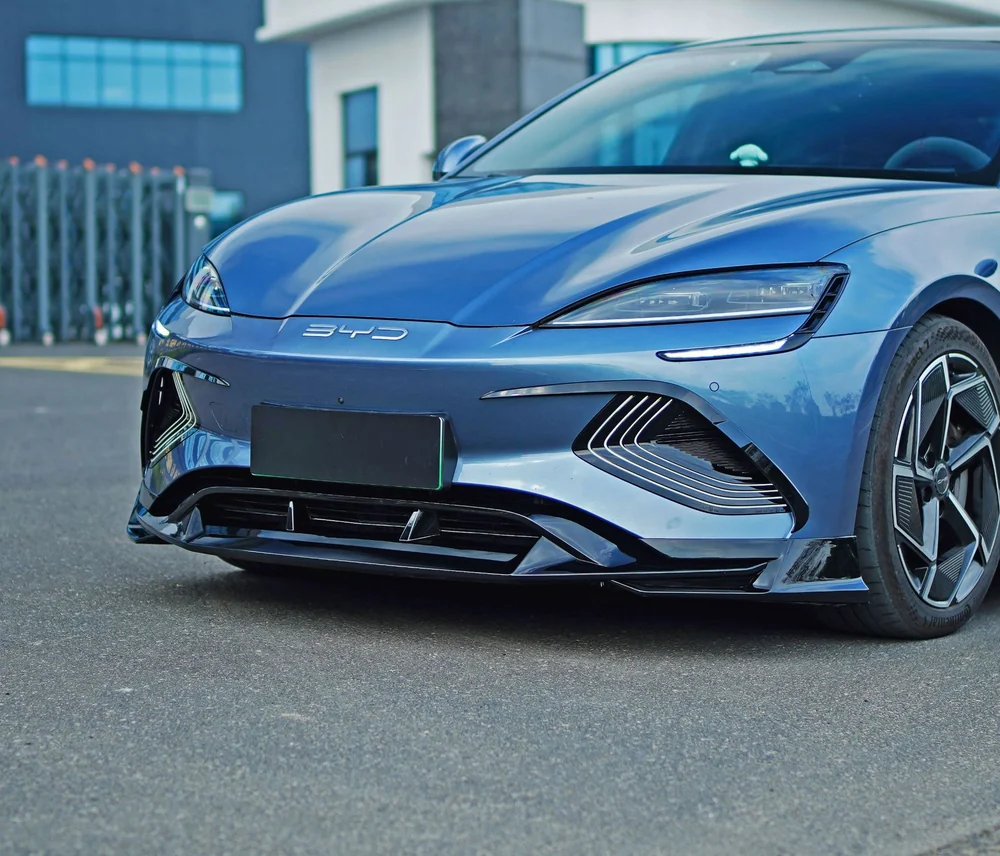
How Spain classifies a body kit: the reform codes that matter
The Manual de Reformas organizes every modification by group and code. Bodywork is group 8, and the three codes that matter for a body kit are:
- 8.50 — changes to the length of the front and/or rear overhang.
- 8.51 — modifications that affect the vehicle body.
- 8.52 — modification, addition or removal of elements on the outside of the vehicle.
Code 8.52 is the one that catches body kits. The manual’s own examples include the replacement, modification and removal of bumpers, spoilers, side skirts and fixed steps, and widened wheel arches. It also explicitly includes “substituting original elements with different ones that perform the same function.”
This matters because it kills the most common assumption people bring from other countries: that a bolt-on styling part which uses the car’s existing mounting points is automatically outside the system. It isn’t — a new bumper is named in the manual.
Two exceptions are worth knowing, because they change the paperwork:
- Side skirts and fixed steps can be processed without a technical project or final works certification when the added mass does not exceed 3% of the vehicle’s running order mass.
- Front protection devices (defensas) approved under Directive 2005/66/EC or Regulation (EC) No 78/2009 do not need a technical project either.
On the other side, the manual lists what is *not* a reform. Color changes are not a reform. Neither are non-metallic mouldings fixed with adhesive, exhaust trims, mirror housing covers that don’t block the mirror’s field of view, mud flaps on passenger cars, or parking sensors and cameras. Parts you can install or remove without any tool — or with only the normal tools the manufacturer supplies — are not reforms either.
Documents, engineers and what the paperwork really costs
For code 8.52, the manual asks for four documents: a technical project, the certification of final works, a conformity report, and a workshop certificate. In plain English: a technician describes the parts, materials, weights and fixing method; a registered workshop certifies the installation; an accredited technical service confirms the car still meets the applicable rules; and you present the file at the ITV. You can legally install the kit yourself, but a workshop with an industrial registry number still has to inspect and certify the work.
The DGT requires the vehicle to be presented for a reform inspection within 15 days of the work being done.
The ITV checks three things that regularly cause rejections: that the parts physically match the paperwork, that everything is properly fixed, and that lights, the plate and sensors are still fully visible and working.
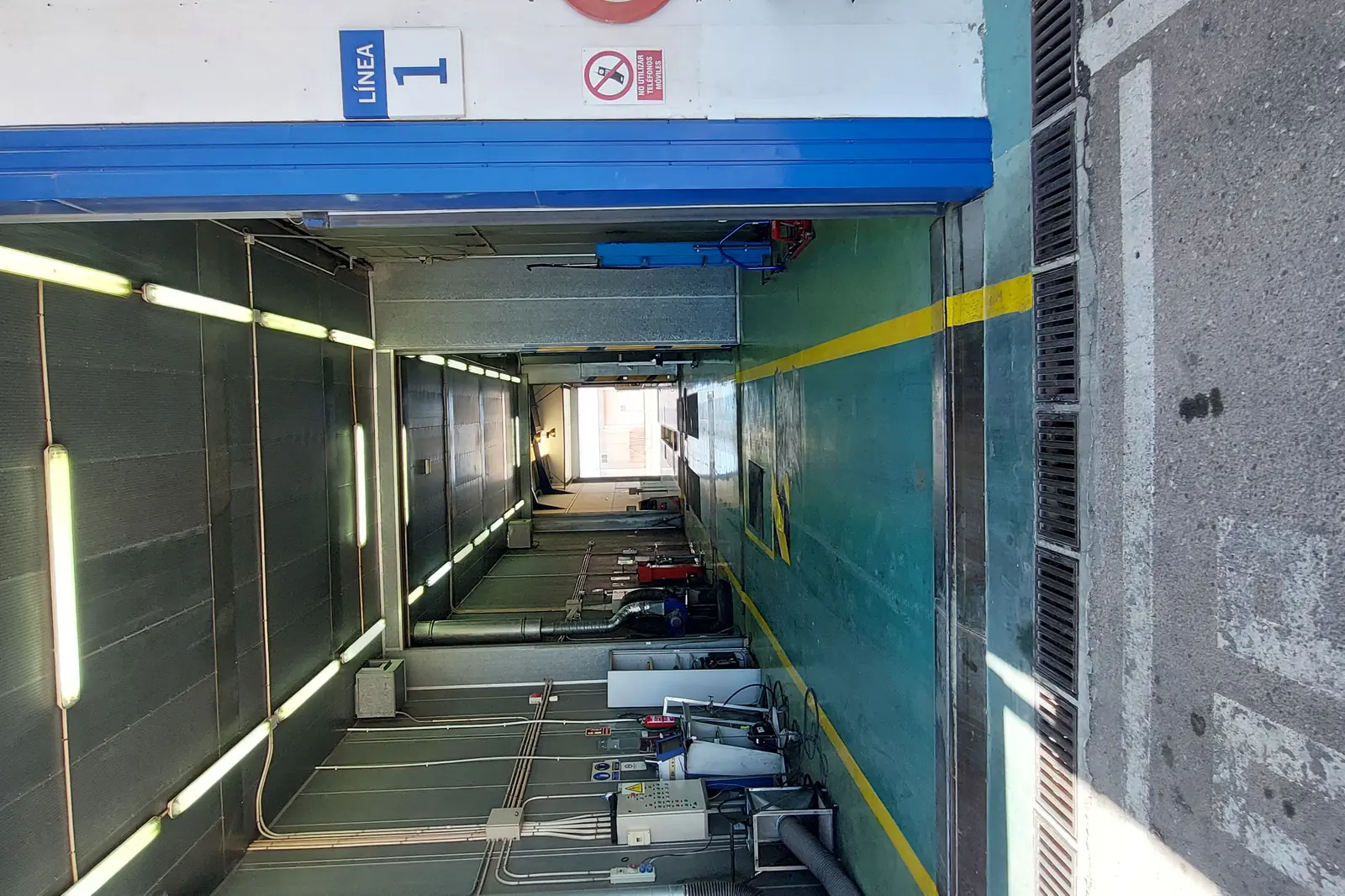
Photo: Carlosjvives / Wikimedia Commons (CC BY-SA 4.0)
Budget for the legalization, not just the parts:
| Item | Typical cost |
|---|---|
| Conformity report, one simple part (skirts, lip or spoiler) | €150–200 |
| Complete kit, car registered before 2009 (no pedestrian protection) | €180–230 |
| Complete kit, car registered after 2009 (pedestrian protection applies) | €220–280 |
| Handmade kit with no manufacturer documentation | €250–350 |
| ITV reform inspection fee | €40–70 |
Those figures come from Spanish homologation engineers and exclude the workshop’s labor and the parts themselves. For a complete kit that arrives with proper fitting information, the legalization normally sits in the €220–350 band plus the ITV fee — a fraction of what the car is worth, and far cheaper than discovering the problem after a rejection. Plan on roughly three to four weeks from complete documentation to an updated ITV card, plus ITV appointment waiting time.
Who does what: you, the seller, the agent and the workshop
This is the part that makes first-time buyers give up on the idea, mostly because nobody explains the division of labor. Here it is in one table:
| Who | What they handle |
|---|---|
| You | Choose the parts, book the ITV appointment and show the car |
| The seller | Accurate product information: the exact part, the model and year it fits, the material, the weight, the mounting points, photos of the fixings and an invoice with the correct HS code. That’s it — nothing else is required from the seller’s side |
| A homologation agent or engineer | Identifies the reform code, tells you whether a technical project is needed, prepares the project, obtains the conformity report and usually files everything with the ITV for you |
| The workshop | Fits the kit and issues the installation certificate |
If you are unsure whether your kit is a simple report or a full project, ask an agent before you buy. A good one will tell you in the same conversation, and it costs nothing to ask.
Will the kit stick out, lower your clearance, or hide your plate?
This is where a kit stops being a style decision and becomes a technical one. Spanish bodywork reforms are tied to exterior projections, lighting installation, plate location and — on cars registered after 2009 — pedestrian protection. That last one is the point international buyers miss: for a passenger car registered after 2009, the front end is part of an approved safety design, so an aggressive bumper or large splitter has to be evaluated, not just measured. A 2015 BYD and a 2024 BYD do not get the same treatment from the same part number.
Three checks decide most cases:
- Overhangs and ground clearance. If the front or rear overhang changes, the reform is processed under code 8.50 instead of 8.52 and the car’s dimensions get re-written on the ITV card. A lip that drops below speed-bump height also changes how usable the car is, even when it passes.
- The plate must stay readable. Rear diffusers and bumper extensions are the usual offenders. Letting a part obstruct a plate is a specific traffic infraction in Spain, and it is not treated as a warning.
- Lights and reflectors must stay fully visible. Fog lights, reversing lights, indicators and the third brake light on a wing all have to keep their required visibility and angles.
Sharp edges and inadequate radii are the classic reason a part fails this check. The exterior-projection rules set minimum radii for contactable surfaces, and the engineer measures the new part against them — which is why a kit should be built around your car’s original bumper profile and mounting points rather than being a one-size shell that has to be forced into place.
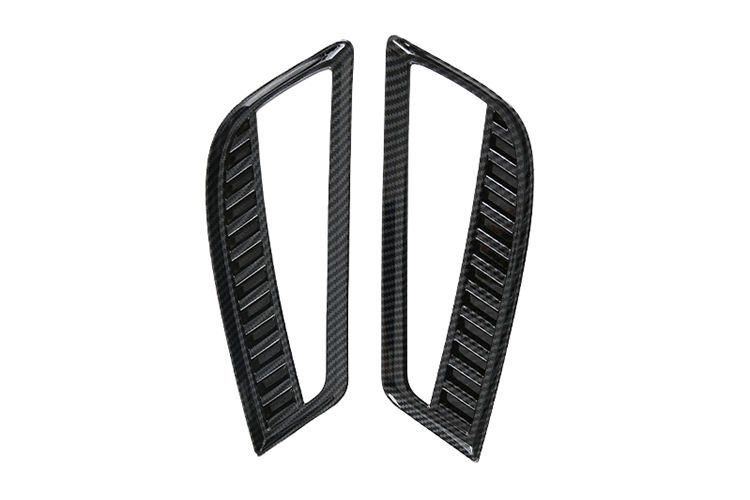
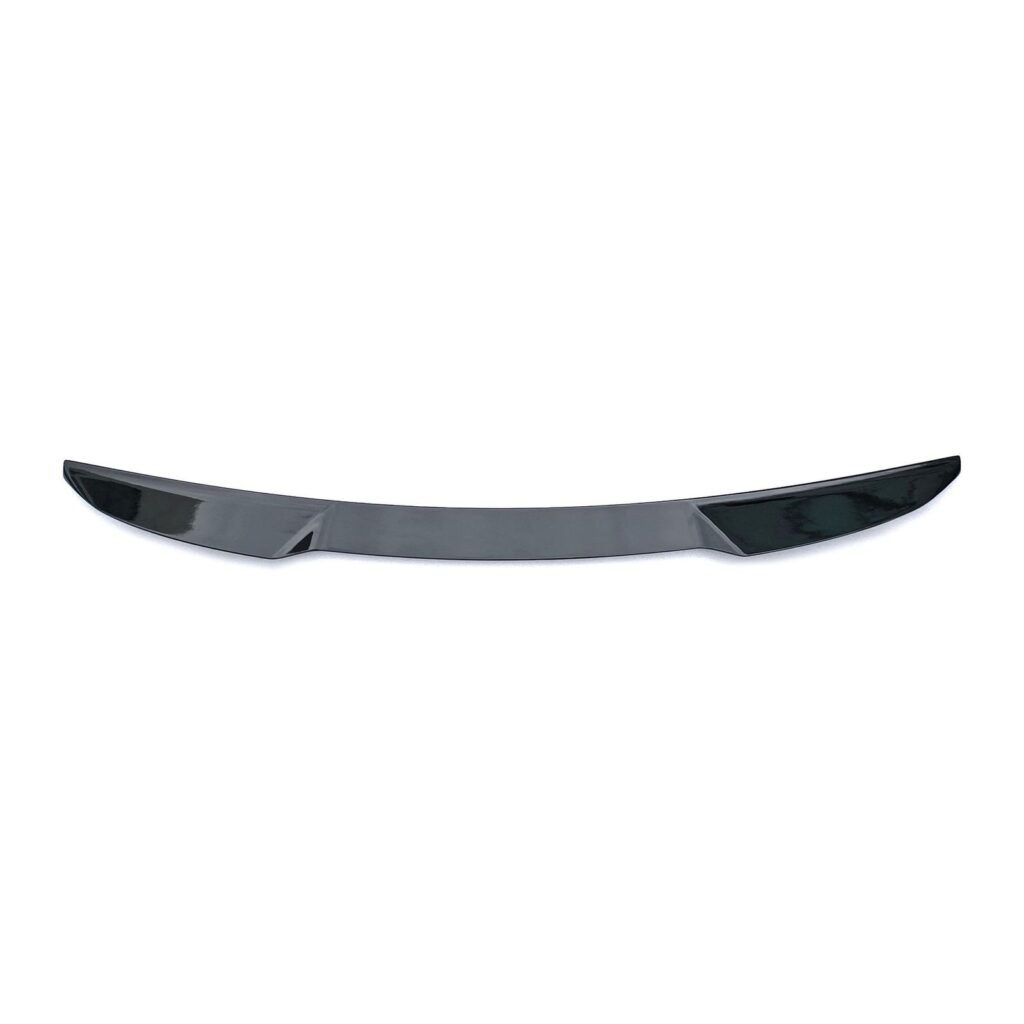
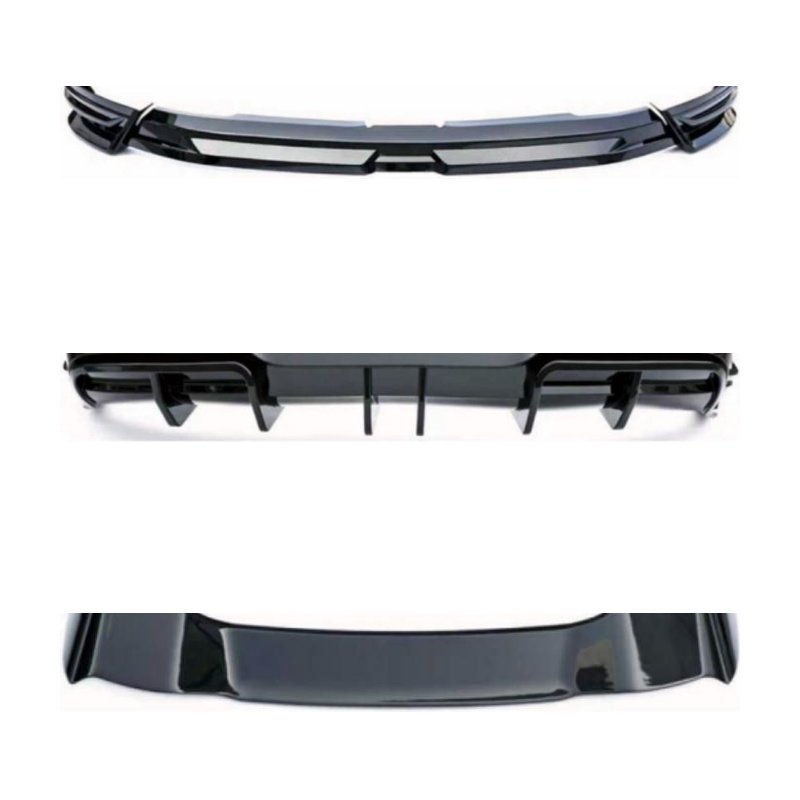
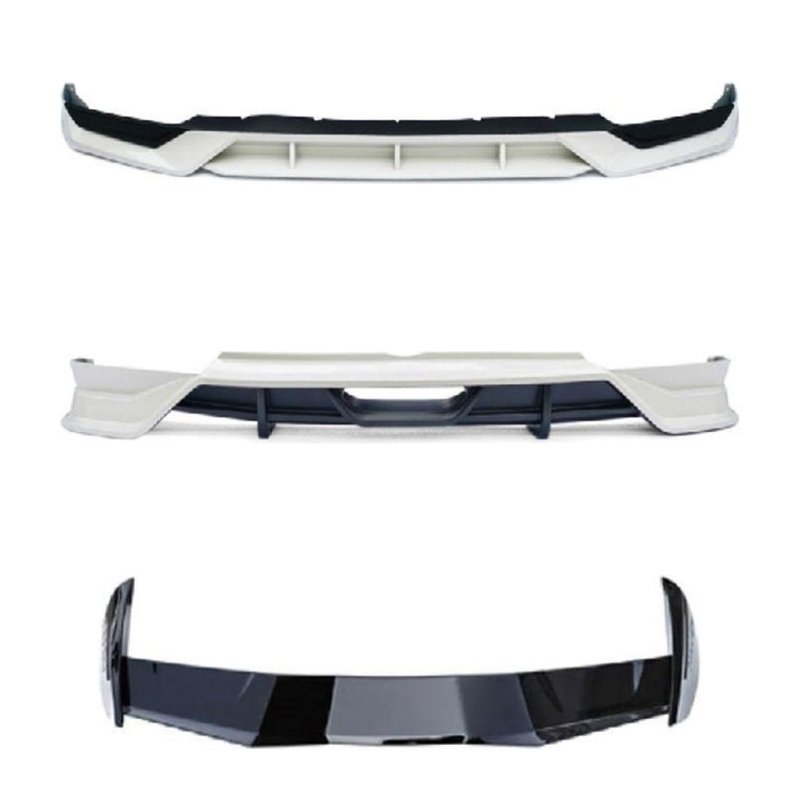
OUR BODY KIT COLLECTIONS FOR BYD
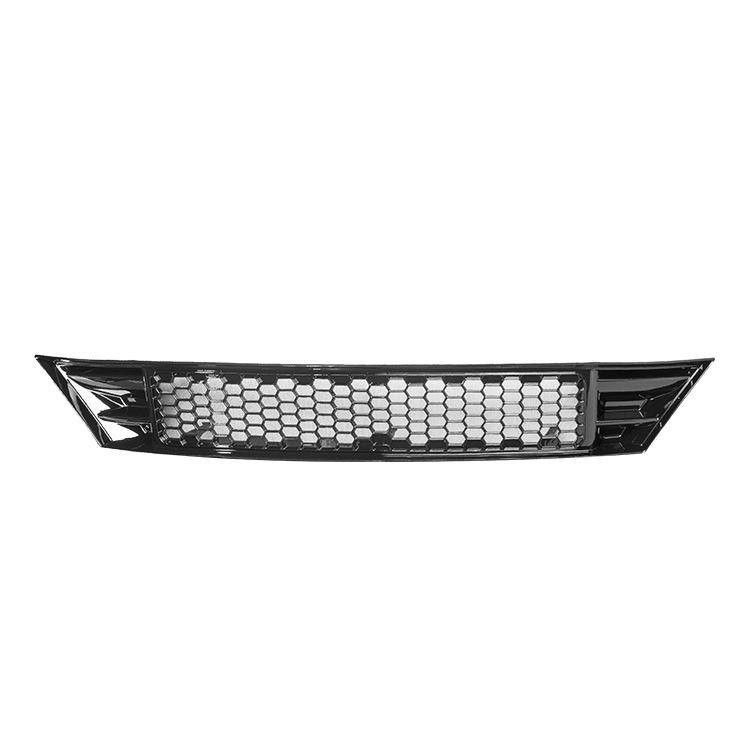

Fitment: model year, drilling, and going back to stock
A body kit is not a one-size-fits-all product, and BYD’s own lineup proves it. A Seal, an Atto 3, a Dolphin, a Sealion 7 and a Shark 6 share almost nothing at the mounting level, and facelifted versions of the same model can change the bumper shape, the sensor layout and the tow-hook cover.
Before you buy, send the seller the model, model year, trim, market version and VIN. A supplier who will not ask for the VIN is guessing. The BYD model lineup page is a useful starting point if you are still confirming which generation you own. When we quote a BYD kit, the VIN is the first thing we ask for, because it is the only reliable way to confirm the bumper revision, sensor openings and tow-hook cover before the part is molded.
Three fitment questions matter more than any photo:
- Sensor and camera cutouts. If the original bumper carries ultrasonic sensors, a front radar or washer jets, the new one must provide the right openings and brackets. Cutting those by hand is possible, but it is the most common source of problems — which is exactly why we mold every kit around the openings on your car.
- How it is fixed. Adhesive-only parts are the weakest option at speed and the hardest to defend at inspection. A proper bumper kit reuses the car’s original mounting points, with screw holes molded to match the OEM positions.
- Whether you can go back. Reversing a reform means a return-to-original report and a new annotation in the ITV card. Removal is usually just a note in the file, but bumpers are one of the exceptions — taking them off still has to be recorded. Keep the original parts and the round trip is manageable.
If you also drive a UK-registered car, the rules are completely different: our UK body kit legality guide explains why a bolt-on kit there can be legal with no government paperwork at all.
Radar, cameras, ADAS and the tailgate
Modern BYDs are sensor platforms. Front radar modules, ultrasonic park sensors, surround-view cameras, rain sensors and lane-keeping cameras are spread across the bumper, grille and screen area — and since 2022, EU rules have required a long list of driver assistance systems on new vehicles under Regulation (EU) 2019/2144.
The Manual de Reformas is helpful here: adding parking sensors or cameras is not a reform. But replacing a bumper that *carries* them is a different job, because a sensor that is moved, tilted or shielded no longer sees what it is supposed to see.
In practice: the new bumper has to hold the radar and sensor modules at the same height, angle and depth as the original; the workshop should run the calibration routine the manufacturer specifies, because a bumper replacement on a car with front radar or a windscreen camera is not finished when the last bolt is tight; and power tailgates, soft-close doors and sensor-triggered features should be tested through a full cycle before the car leaves the shop.
This is the part where the kit itself decides the outcome. A bumper that keeps every factory sensor opening, washer jet and bracket in its original position bolts on and calibrates normally. One that reshapes the front end around a photo rather than a VIN turns a two-hour job into a week of fabrication.
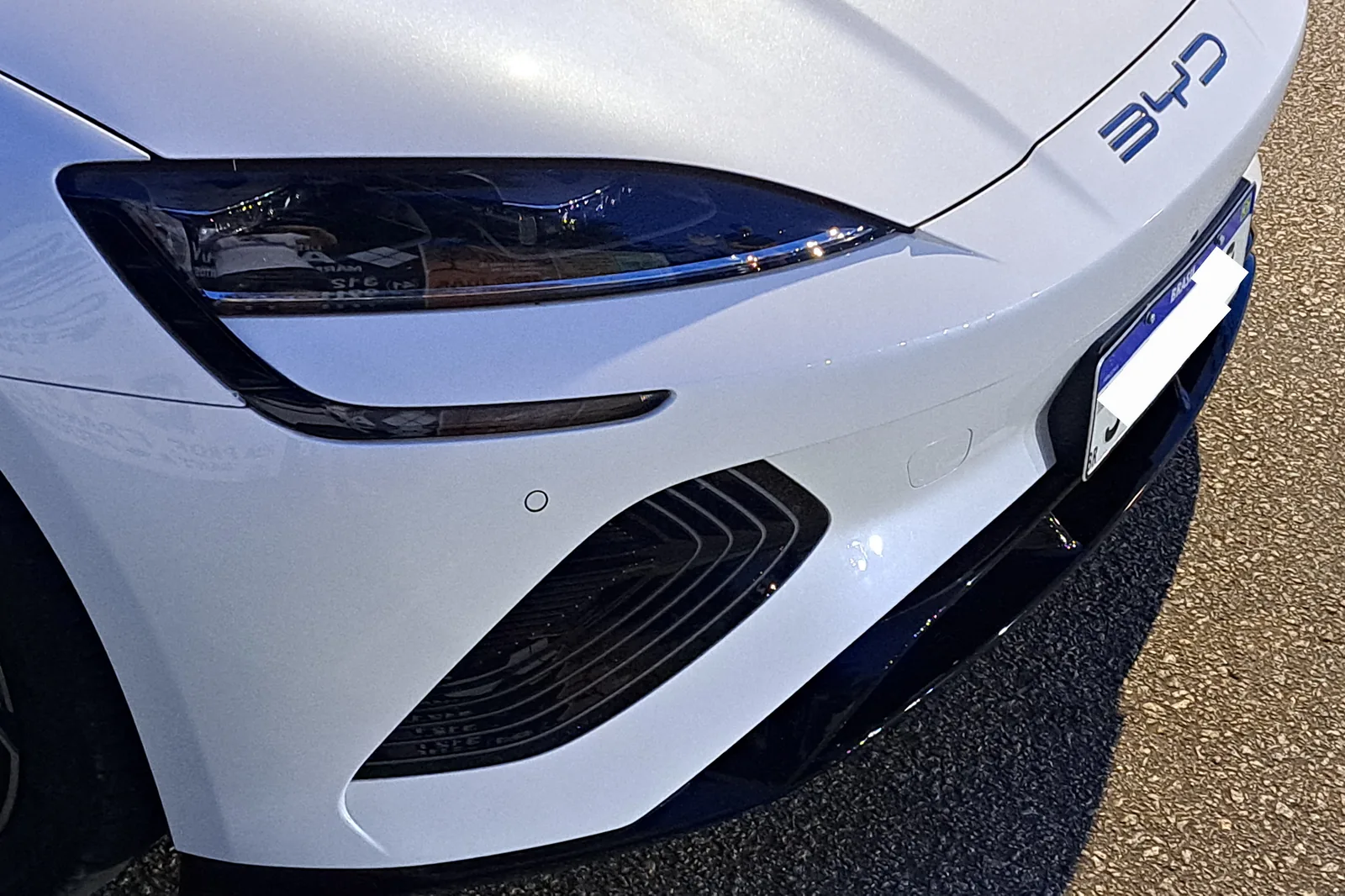
Photo: Mateusmatsuda / Wikimedia Commons (CC BY 4.0)
Materials, paint matching and high-speed stability
Kit materials are usually ABS, polyurethane, fiberglass or carbon fiber, and each one has a job. Polyurethane (PU) flexes and shrugs off parking knocks, which is why it is the usual choice for full bumper replacements on daily-driven cars. ABS is lighter on cost, takes paint well, and suits lips, grilles and trim. Fiberglass is easy to shape and repair, and is popular for custom widebody work. Carbon fiber is the lightest option and the one buyers choose when weight and finish matter most. The right answer depends on the part, the car and how you use it — not on a single “best” material.
Paint is a separate step, not an afterthought. European cars carry a color code, and a paint shop mixes to that code. On metallic and pearlescent finishes, a good shop blends into the neighboring panels so the new part reads as factory paint rather than a patch — ask for that, not just a color match. Color changes are not a reform in Spain, though if the color is on the ITV card it gets updated at your next inspection.
High-speed vibration is almost never a material problem. It comes from insufficient fixing: too few fasteners, adhesive-only joints, or brackets that were never designed for the load. If a wing or diffuser moves when you push it by hand, it will move far more at 120 km/h.
Importing a body kit into Spain: duty, VAT and paperwork
Most BYD body kits sold into Europe are made in China, so the landed cost is not the price on the quote. For bumpers and their parts — HS heading 8708 10 — the EU’s third-country duty is 4.5%, and Spain then applies 21% VAT on the duty-paid value, plus freight, insurance and the customs broker’s fee.
Three things to plan for. Classification: bumpers, grilles, spoilers and trim can sit in different subheadings at different rates, and the code has to match what is in the box. Volume: freight is charged per shipment, not per part, so two bumpers and a set of skirts in one consolidated crate usually cost far less per unit than three parcels — and large kits travel better braced in a crate than loose in cartons. Trade measures: anti-dumping and safeguard measures change over time, so have your broker confirm what applies to the exact part before you commit to a volume order.
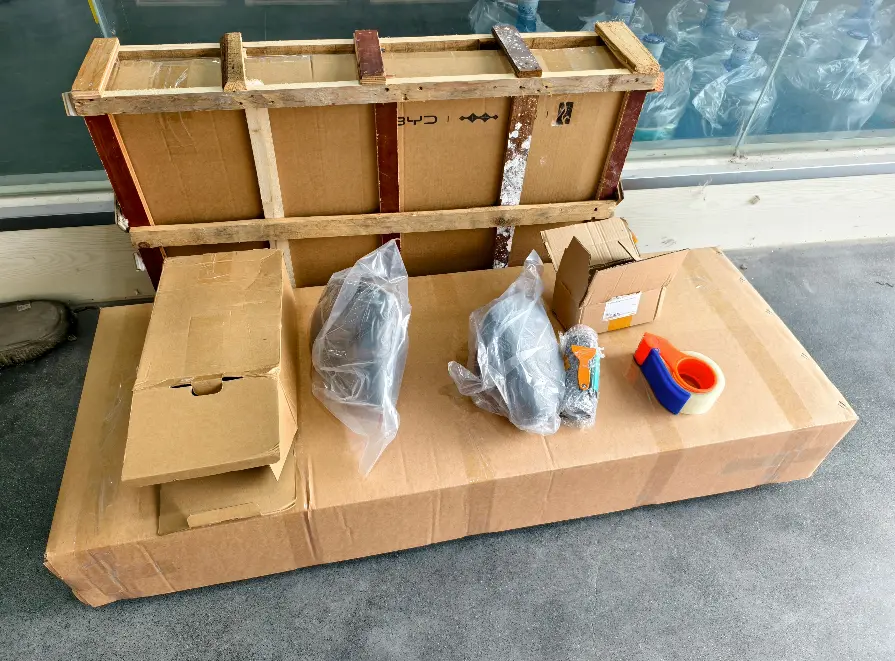
For business buyers — accessory shops, body shops and resellers — a DDP quotation that includes duty and taxes removes most of this risk, because the landed price is agreed before the container leaves.
Insurance: the step almost everyone skips
Even a fully legalized reform has to be declared to your insurer. Spanish insurance contract law requires the policyholder to answer the insurer’s questionnaire accurately before the contract, and to report any change that increases the risk as soon as possible during the contract.
If a modification is not declared and a claim happens, the insurer can reduce the payout proportionally to the premium that would have applied — or be released from paying at all if there was bad faith. After being notified, the insurer can also propose new terms or cancel the policy. Tell your insurer in writing before the work starts, keep the reply, and send them the updated ITV card once the reform is registered.
After the install: ITV, the next inspection and resale
New passenger cars in Spain are exempt from the ITV for four years, then inspected every two years until they turn ten, and annually after that. Having the reform recorded keeps those routine inspections uneventful, because the car matches its own file. Without the record, the reform is rejected at the next ITV, the car can’t legally be driven until it’s legalized or removed, and the same question comes up when you sell it. A documented reform, with its code in the ficha técnica, sells far more easily than a car with parts nobody can explain on paper.
Why the effort is worth it
None of the above is a reason to skip the kit. It is a reason to buy one that fits. A bumper that bolts to the factory mounting points, keeps every sensor opening in place and arrives with real fitting data turns the Spanish process into an engineering formality — and you end up with the car you wanted, on the road, with its paperwork in order.
Body kit legal in Spain: a pre-purchase checklist
| Check | Why it matters |
|---|---|
| Model, year, trim and VIN confirmed by the seller | Facelifts and market versions change bumpers and sensor layouts |
| Sensor, camera and radar positions documented | Prevents ADAS and parking-system failures after fitting |
| Fixing method uses original mounting points | Stronger at speed and easier to defend in the conformity report |
| Plate, lights and reflectors still visible in the design | A frequent reason for ITV rejection and a fine on the road |
| Overhang and ground clearance measured | Determines whether the reform is code 8.50 or 8.52 |
| Fitting pack supplied with the parts | Gives the engineer real data instead of guesswork |
| Removal and return-to-original path planned | Reversing a reform also needs to be recorded |
| Quote states duty, VAT and delivery terms | The named price is rarely the landed price |
| Insurer notified in writing before installation | Protects the claim, not just the premium |
Frequently Asked Questions
Are body kits legal in Spain?
Yes, as long as the modification is processed as a reform, inspected at the ITV and recorded on the vehicle’s ITV card. A kit that is bolted on and never registered is not legal for road use, even if the parts themselves are well made.
Can I fit a body kit and still pass the ITV?
Yes. You present the car for a reform inspection within 15 days of the work, with the technical project where required, the conformity report and the workshop certificate. The ITV then checks that the physical parts match the documentation and that lights, plates and safety systems still work.
How much does it cost to legalize a body kit in Spain?
Expect roughly €150–350 for the engineering and conformity documentation depending on the kit and the car’s age, plus €40–70 for the ITV reform fee, plus workshop labor. A complete kit that arrives with proper fitting information normally lands in the €220–350 band plus the ITV fee.
What paperwork should come with the kit, and do I need an approval document?
No approval document is needed from the seller — in Spain the reform paperwork is produced for your car by the engineer and the workshop. What you need from the seller is accurate product information: the right part for your model year, the material and thickness, mounting drawings or photos of the fixing points, and the weight. We include that pack with every kit we ship.
Will a body kit affect my Spanish insurance?
It can. Spanish law requires you to tell your insurer about changes that increase the risk. If a modification is not declared, a claim can be reduced proportionally, or refused if there was bad faith.
Can I remove the kit later and return the car to stock?
Yes, but it is another documented step. The kit is removed, a return-to-original report is prepared and the ITV card is updated. Bumpers are one of the cases where removal still has to be recorded, so keep the original parts and the paperwork.
Get a fitment-matched BYD body kit for Spain
If you would rather not discover the paperwork problems after the parts arrive, start with the fitment check. We supply BYD exterior accessories and body kits for the full BYD range — complete kits, or individual front and rear bumpers, side skirts, lips, diffusers, wings and spoilers.
Three details matter here. First, our bumpers are not glue-on parts: the screw holes are molded to match your car’s original mounting points, so the kit fixes the way the factory bumper fixes — which is what the conformity engineer wants to see. Second, sensor openings, washer jets and brackets stay in their factory positions, so the bumper goes on and the assistance systems recalibrate normally. Third, every order ships with the fitting pack your engineer needs — part identification, material spec, mounting photos and weight — and you get one-to-one support from the person who matched your parts if a question comes up mid-install.
We ship from China with MOQ 1 piece, and we also handle bulk orders and dropshipping for shops, installers and resellers across Europe. Send us your model, year and VIN, and we will confirm compatibility before you pay — then request a quote with the parts, shipping and delivery terms you need.
Planning a BYD body kit in Spain? Browse our BYD exterior accessories collection for model-matched options. If you need a specific accessory, fitting information or a fitment check, contact us with your model, year and VIN — we provide sourcing support.
References
- Real Decreto 866/2010, de 2 de julio, por el que se regula la tramitación de las reformas de vehículos — Agencia Estatal Boletín Oficial del Estado — https://www.boe.es/buscar/act.php?id=BOE-A-2010-11154
- Manual de Reformas de Vehículos, Revisión 7ª (Ministerio de Industria, Comercio y Turismo), reform codes 8.50, 8.51 and 8.52 — https://industria.gob.es/Calidad-Industrial/vehiculos/Documents/Manual%20de%20Reformas%20de%20Veh%C3%ADculos%20Revisi%C3%B3n%207.pdf
- Resolución de 27 de enero de 2026 approving the second correction to Revisión 7ª of the Manual de Reformas de Vehículos (BOE-A-2026-2709) — https://www.boe.es/diario_boe/txt.php?id=BOE-A-2026-2709
- Modificación y reformas de un vehículo — Dirección General de Tráfico (DGT) — https://www.dgt.es/nuestros-servicios/tu-vehiculo/modificacion-reformas-y-cambio-de-servicio-o-datos/modificacion-y-reformas-de-un-vehiculo/
- Real Decreto 920/2017, de 23 de octubre, por el que se regula la inspección técnica de vehículos, Article 6 (inspection frequency) — https://www.boe.es/buscar/act.php?id=BOE-A-2017-12841
- Real Decreto Legislativo 6/2015, Ley sobre Tráfico, Circulación de Vehículos a Motor y Seguridad Vial, Articles 76 and 80 (technical-condition offences and penalties) — https://www.boe.es/buscar/act.php?id=BOE-A-2015-11722
- Ley 50/1980, de Contrato de Seguro, Articles 10, 11 and 12 (declaration and aggravation of risk) — https://www.boe.es/buscar/act.php?id=BOE-A-1980-22501
- Regulation (EU) 2019/2144 on type-approval requirements for the general safety of motor vehicles and their trailers (vehicle safety systems and vulnerable road users) — EUR-Lex — https://eur-lex.europa.eu/eli/reg/2019/2144/oj
- EU customs tariff, HS 8708 10 — bumpers and parts thereof, third-country duty 4.5% — https://www.tariffnumber.com/2026/8708109090
- Cómo homologar el kit de carrocería de un coche en 2026 (homologation process, documentation and 2026 price ranges) — Udaya Homologaciones — https://udayahomologaciones.com/blog/homologar-kit-carroceria/
- Cómo homologar piezas y accesorios del coche para la ITV — ITV.com.es — https://itv.com.es/como-homologar-piezas-coche-itv

 English
 Portuguese
 French
 Turkish
 Russian
 Arabic
 Spanish