
Do body kits need painting? Not always. Many kits ship in gloss black and look finished as soon as they are fitted. You need paint when you want the parts colour-matched to the body, when the parts arrive in primer or as raw blanks, or when a raw edge will show after fitting. The choice is about the look you want, the finish on the product page, and the budget for prep and spraying.
This guide explains gloss black versus painted versus primer-ready and raw finishes, when colour-matching is worth it, what prep usually involves at a high level, and which cost factors matter — without inventing prices. It is for owners planning a first kit, DIY painters, and shops or wholesale buyers deciding how to finish parts.
If you are new to kit parts, start with what a car body kit is. Material choice also affects how parts take paint — see PP vs ABS vs fiberglass vs carbon fiber.

Finish options you will see on body-kit parts
| Finish as shipped | Typical look | When it makes sense | What you still need to check |
|---|---|---|---|
| Gloss black | Shiny black plastic, ready to fit | You want contrast on a light or coloured car without spray-booth cost | Panel gaps, sensor cut-outs, and whether edges look finished once fitted |
| Colour-matched / painted | Painted to a body colour (or a chosen colour) | You want the kit to blend with the factory paint | Who paints it, which colour code, and clear-coat quality |
| Primer-ready / primed | Matt primer surface prepared for paint | You (or a bodyshop) will spray the final colour | That the surface is actually primed for paint, not just raw plastic |
| Raw / blank (unpainted) | Sanded or moulded plastic, no colour coat | DIY paint, or wholesale buyers who finish parts themselves | Prep quality (sanding, mould lines) before primer and colour |
Most Marvix exterior styling parts are ABS, with PP on selected kits and lips. ABS takes paint well when prepped correctly; flexible PP needs the right primer system so the paint does not crack when the part flexes. Always read the finish stated on the product page rather than assuming every lip ships the same way.
When gloss black is enough
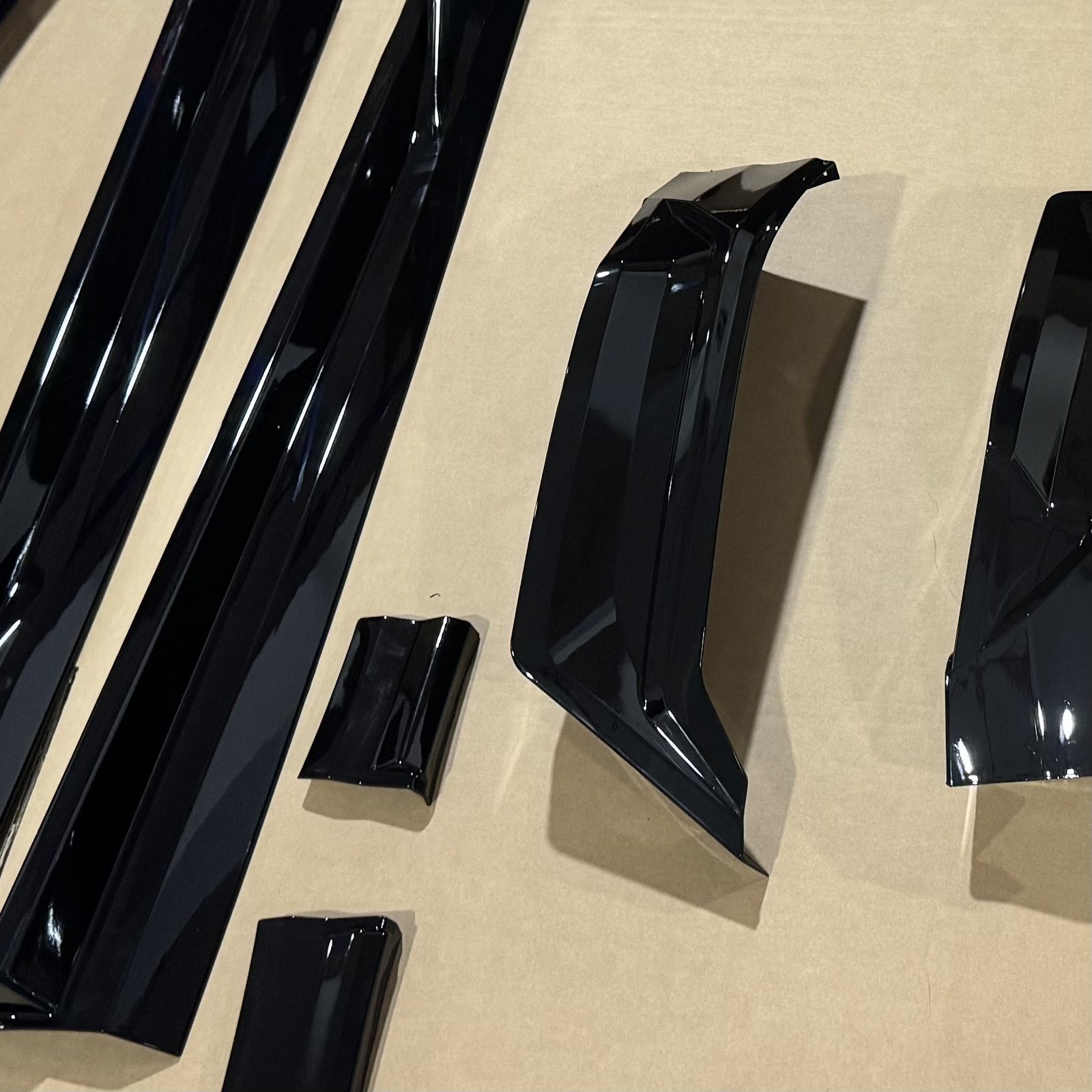
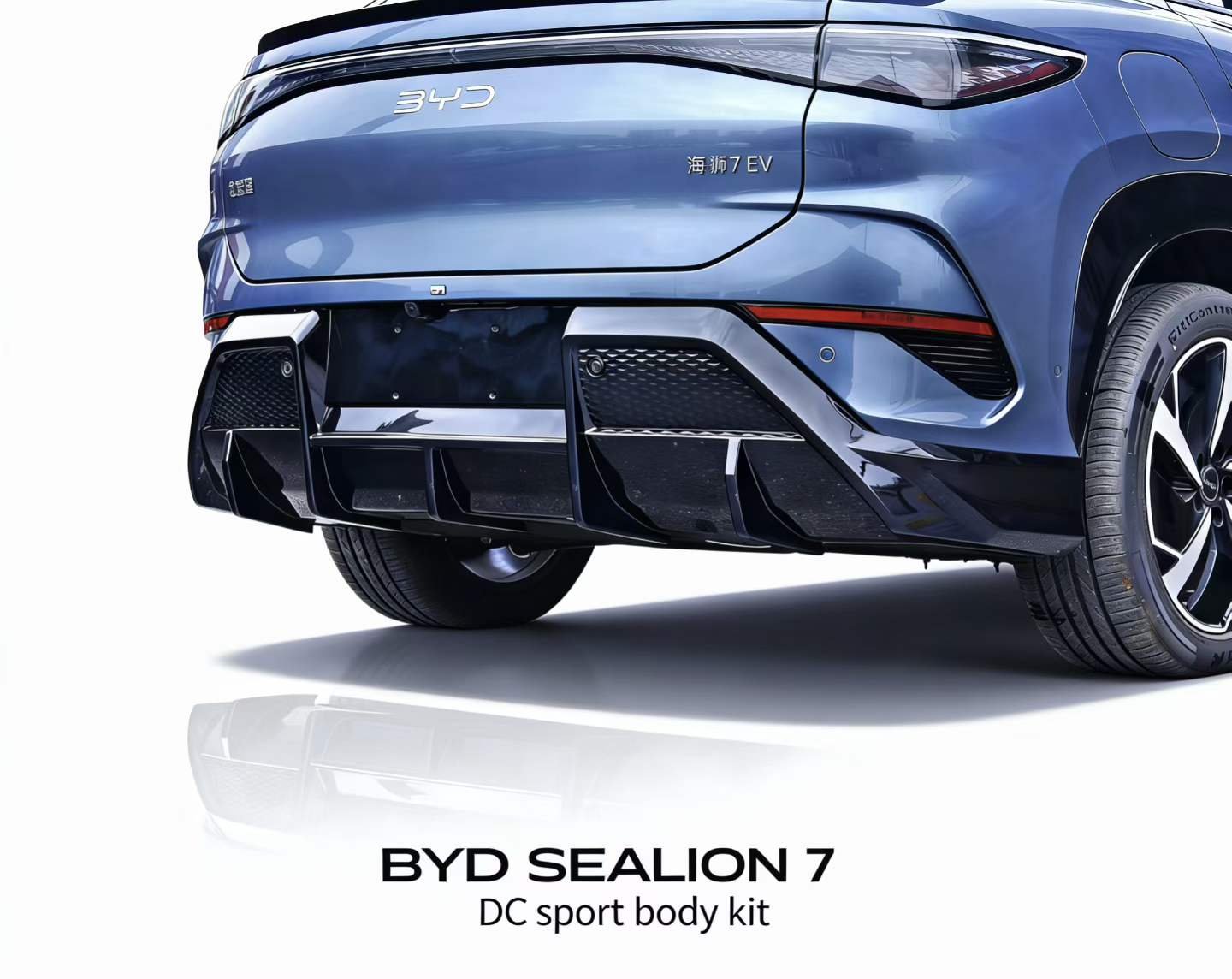
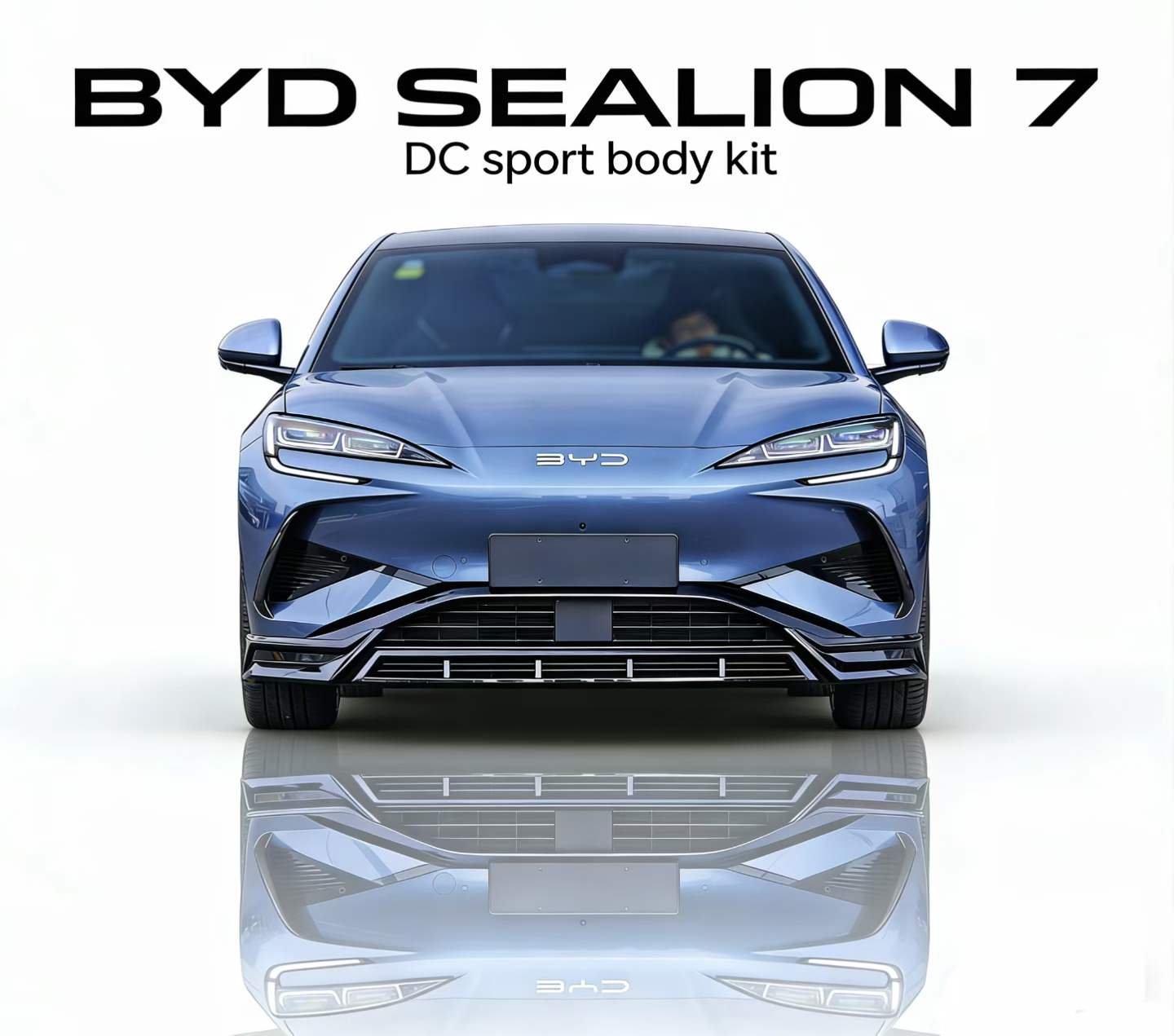
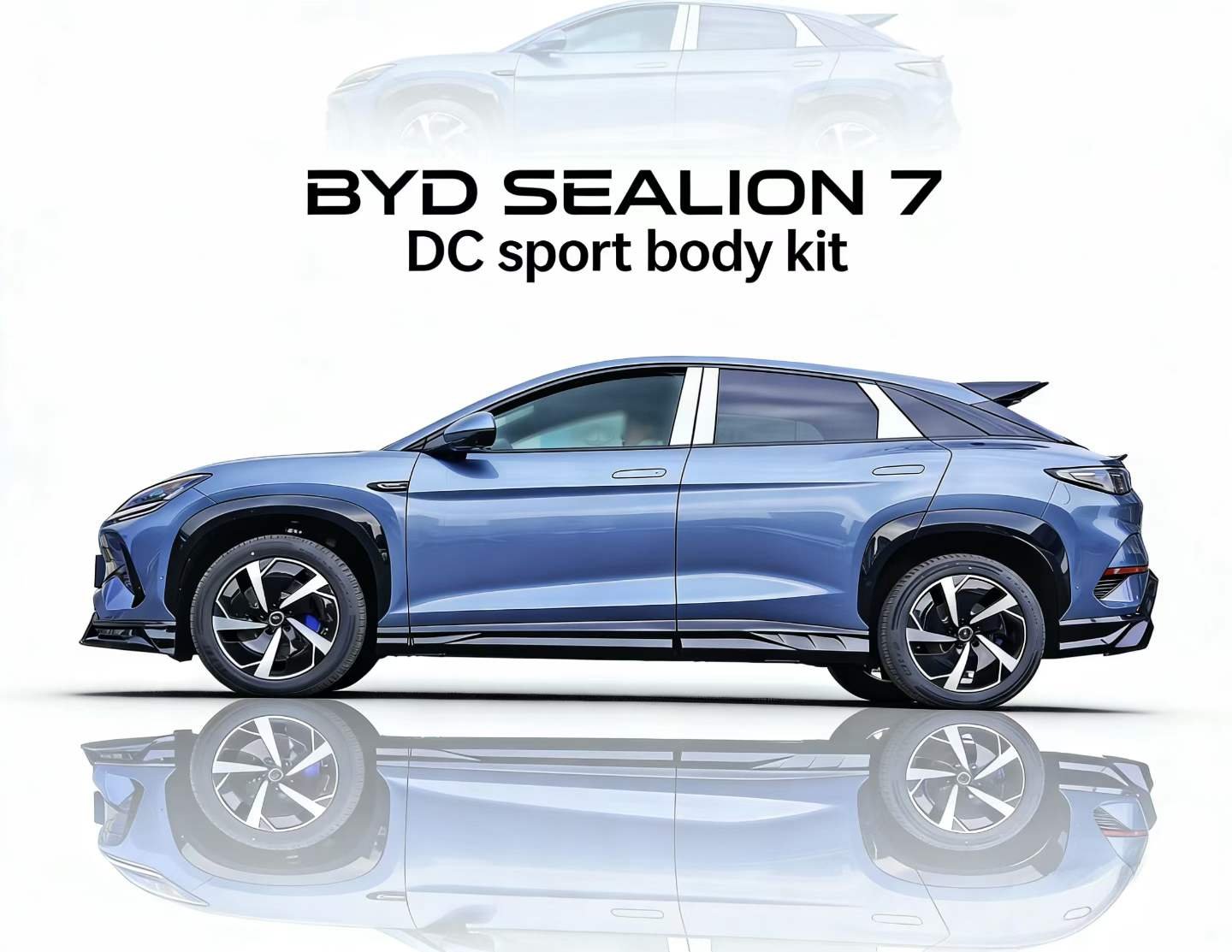
Gloss black is the default look on many lips, skirts, diffusers and spoilers. On white, silver or light metallic cars it reads as a deliberate contrast. On dark cars it can almost disappear into the lower body, which some owners prefer for a subtle drop in visual height.
Choose gloss black when:
- You like the contrast and do not need the parts to match the body colour.
- You want to fit the parts soon after delivery without booking a spray booth.
- You may remove the kit later — unpainted add-on parts are simpler to take off and store.
Watch for orange-peel texture, flow lines or dull patches before fitting. A quick wipe with a plastic-safe cleaner shows whether the shine is even. Deep scratches in gloss black show more readily than on a painted and clear-coated part, so driveways and car-park ramps still matter for low lips.
When you should paint or colour-match
Paint is the right path when the product is primer-ready or raw, when a raw cut edge will show, or when you want a factory-style blend. Colour-matching is also common on replacement bumper covers and on kits where large painted surfaces sit next to factory panels.
Paint (or have a shop paint) when:
- The listing says primer, primed, paint-ready, or raw / blank.
- You want the lip, skirts or diffuser in the same colour as the body.
- Fitting exposes an unfinished edge that will be visible from normal viewing angles.
- You are combining new parts with repaired bodywork that will go through a booth anyway.
Colour-matching modern EV paints is harder than matching older solid colours. Tri-coat whites, candies and fine metallics need the correct toner mix and often a spray-out card on the real panel. Give the shop the paint code from the door jamb or service book, plus clear photos of the car in daylight. Expect a blend into adjacent panels on larger jobs rather than a hard edge of new paint on one part only.
Raw blanks for DIY and wholesale finishing
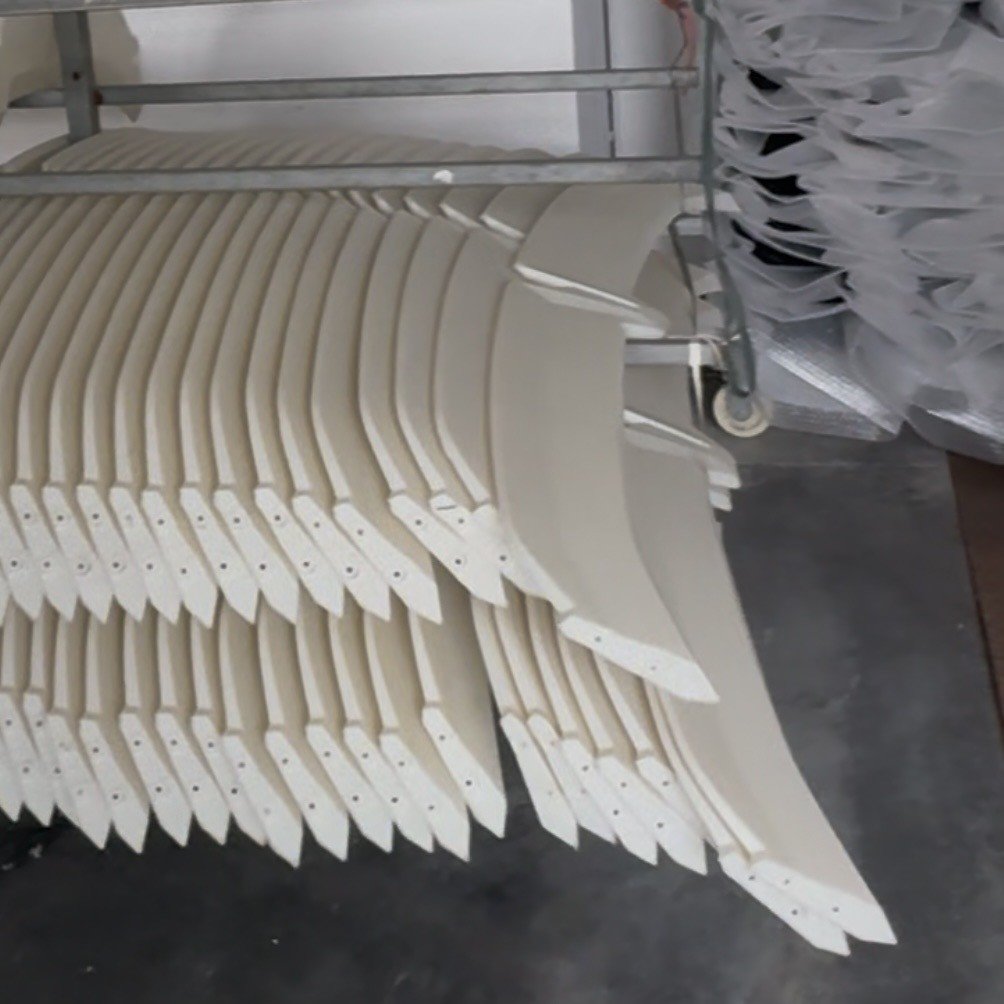
Besides gloss black and primed parts, the factory can supply raw, unpainted (blank) parts that have been moulded and sanded. Owners use blanks for DIY paint at home or at a local booth. Wholesale buyers use them when they want to finish colour and clear coat in their own workshop.
For volume wholesale orders, the factory can also help with other-colour DIY paint and surface treatment — colour work and finishing on bulk batches rather than only the stock gloss-black finish. That path suits importers and shops that need a consistent colour across many sets. Retail one-offs still usually follow the finish shown on each product page.
Prep, primer and paint — high-level steps
Exact products and bake times belong to the painter and the paint system. At a high level, a typical path looks like this:
- Clean and degrease. Remove mould release, wax and road film with a plastic-safe degreaser. Fingerprints show under primer.
- Sand or key the surface. Light abrasion gives the primer something to hold. How far you go depends on whether the part is gloss, primed or raw.
- Apply the right primer. Plastic parts need a primer (or adhesion promoter) made for that substrate. Flexible PP and rigid ABS are not interchangeable systems.
- Block and re-prime as needed. Level pinholes and texture before colour. Rushing this step shows forever in the clear coat.
- Spray colour and clear coat. Match the colour code, then protect with clear. Allow full cure before flexing the part hard or washing with strong chemicals.
- Fit carefully. Use the clips, tape or bolts specified for the part. Forced gaps crack fresh paint at the edges. Our guide on how to install a body kit covers dry-fit checks before final torque.
If you are not set up for plastic paint, a local bodyshop that already paints bumpers is usually faster than learning on a visible lip. Dry-fit the parts first so the shop is not painting something that will not line up.
Cost factors (without invented prices)
Paint is often a large share of the total project, sometimes rivalling the parts. Our breakdown of how much a body kit costs separates parts, paint, labour and shipping so you can budget each line. Drivers of paint cost include:
- How many parts go through the booth (one lip versus a full kit).
- Colour complexity — solid black is simpler than a tri-coat or unique EV shade.
- Blend area — blending into factory panels takes more time than painting a standalone add-on.
- Rework risk — poor prep means sanding back and respraying.
- Shipping and packing if parts are painted before they travel; painted parts need more careful packing than gloss-black or raw stock.
Gloss-black parts skip the booth line item but still need correct fitting time. Painted parts add booth time and cure time before you should wash or polish aggressively. Raw blanks shift paint cost to you or your wholesale finishing line.
BYD-specific tips before you order
On BYD models, most exterior styling add-ons we list are designed to bolt or tape to the existing bumpers and sills rather than replace whole painted covers. That keeps colour-matching optional: many owners run gloss black on Seal, Sealion 7, Dolphin and Song Plus / Seal U cars and only paint when they want a stealth look.
- Check the finish on the product page (gloss black, primed, raw, and so on) before you pay for paint you do not need.
- Check sensor and camera clearances on the bumper — paint thickness rarely causes issues, but a thick lip in the wrong place can.
- Browse parts by type under BYD body kits and front bumper lips, and match the model archive for your car.
Frequently Asked Questions
Do all body kits need to be painted?
No. Gloss-black kits are designed to be fitted as shipped. Paint when you want a colour match, when the part is primer-ready or raw, or when an unfinished edge will show.
Can I order raw unpainted parts?
Yes. The factory can supply raw / blank parts for DIY paint or for wholesale buyers who finish colour themselves. For volume wholesale, other-colour paint and surface treatment can be arranged on bulk orders.
Can I drive with primer-only parts?
Primer is a base for paint, not a weather finish. UV and stone chips will degrade it. If you must drive briefly to the bodyshop, keep speeds modest and book the spray date soon.
Is gloss black harder to maintain than paint?
Scratches and swirl marks show clearly on gloss black plastic. A painted and clear-coated part can be polished more like bodywork, but both need care on low lips near kerbs.
Will paint match my BYD exactly?
A good shop with the correct colour code and a spray-out card can get very close. Complex metallics and pearls are harder; expect a blend on larger adjacent panels when the repair area is wide.
Should I paint before or after fitting?
Dry-fit first to check gaps and sensor holes, then paint, then final-fit after cure. Painting parts that later need trimming wastes booth time.
Do PP and ABS need different paint systems?
Yes. Flexible PP needs primers and elastics suited to flex; ABS is more rigid. Tell the painter which material the listing states.
Order BYD body kits and lips from Marvix
Marvix is a one-stop BYD partner, combining a BYD vehicle-export background with parts, accessories and export logistics. 1-piece samples and retail orders are accepted, pricing is tiered for larger quantities, and listed parts are usually in stock, with orders under 100 sets shipped directly. We also support mixed-SKU orders, dropshipping and fitment checks from your model, year, VIN or photos.
We ship to all countries on EXW, FOB or DAP terms, plus DDP for samples, retail orders and dropshipping. For Brazil, Colombia and Mexico the terms are EXW, FOB or DAP only, and the buyer handles customs clearance and taxes. Prices vary by country, so see our shipping policy for BYD accessories, review BYD exterior accessories wholesale terms, or request a quote.

 English
 Portuguese
 French
 Turkish
 Russian
 Arabic
 Spanish