

Three spoilers, three prices, and a listing that says all of them are “high quality”. One is 90 dollars, one is 400 hundred, and the photos look almost identical. The material is the difference, and it decides how the part will look and behave long after the invoice is forgotten.
Choose on the word “carbon” alone and you may pay a premium for a plastic part with a printed weave. Both mistakes are common, and both are avoidable once you know what each material actually is.
Here is the short version for anyone weighing carbon fiber vs ABS vs fiberglass spoilers. ABS is the practical default: tough, light enough, easy to finish and the best value for a road car. Fiberglass is cheap, repairable and heavier, and it usually arrives needing prep and paint. Carbon fiber — real carbon-fibre-reinforced plastic — is the lightest and stiffest, looks distinctive, and costs the most, with genuine advantages that only matter if you are chasing weight or building a showpiece.
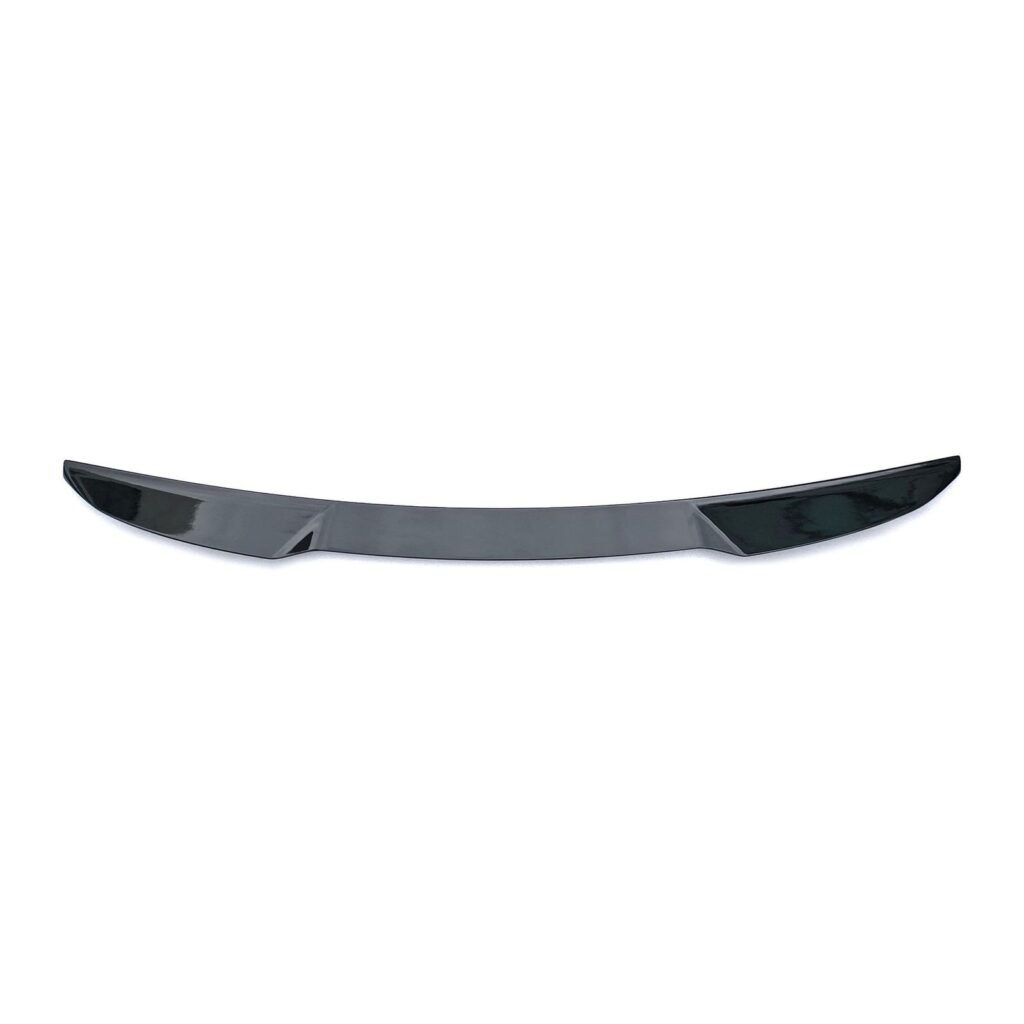
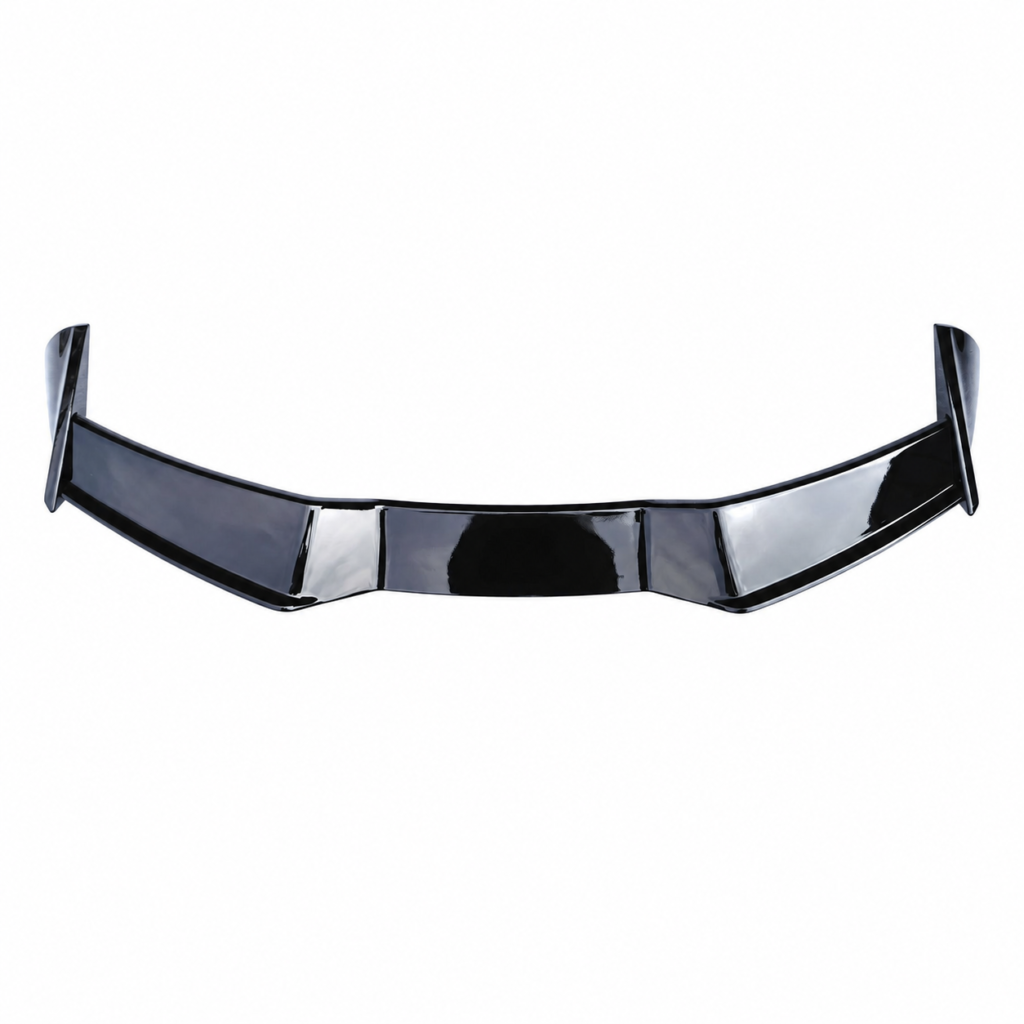
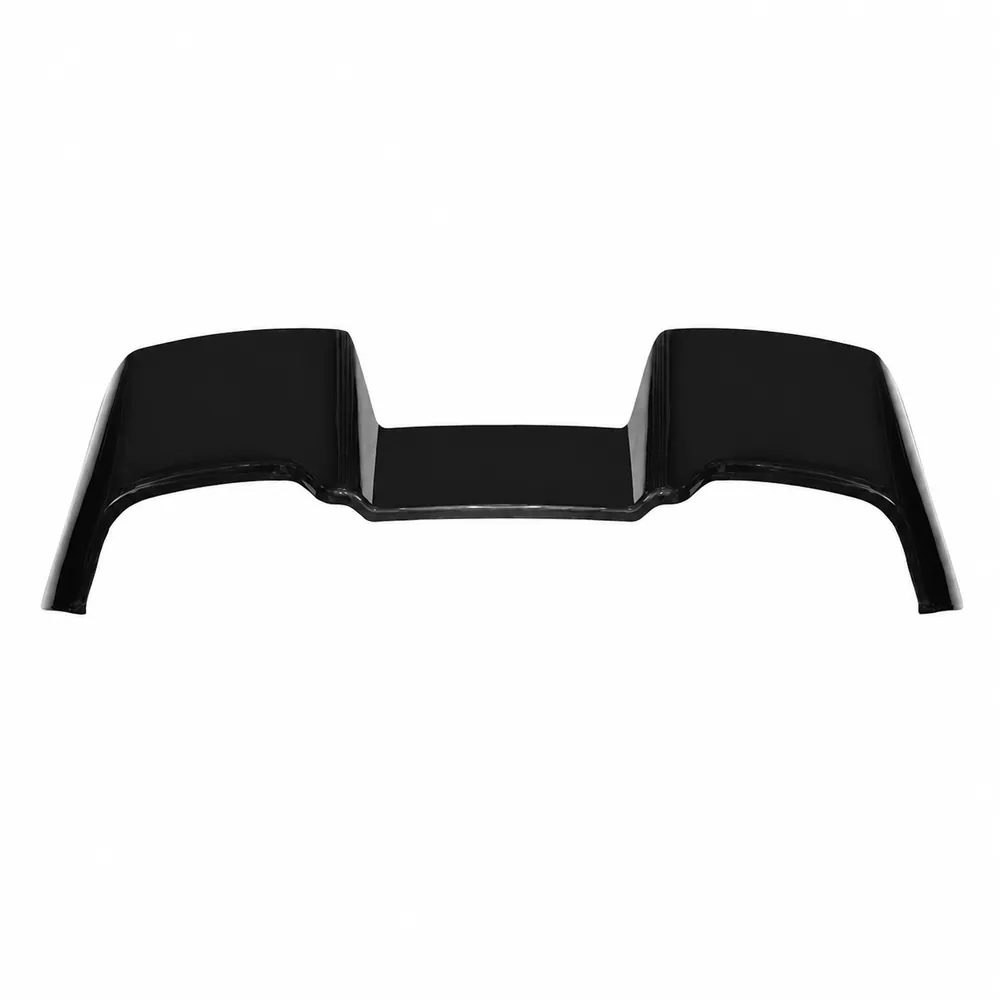
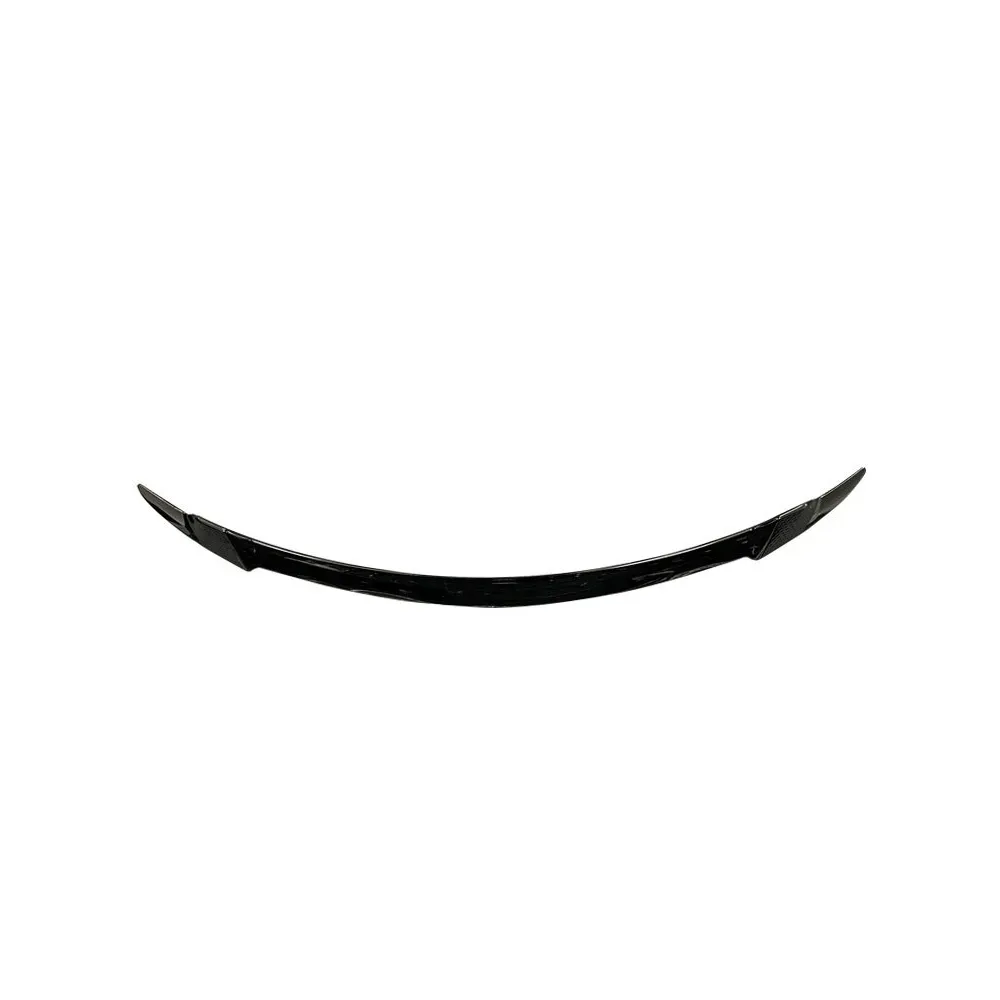
Marvix Wings Collections For BYD Car

Blade Trunk Spoiler for BYD SEAL 5 DM-i
DC Rear Spoiler for BYD DOLPHIN
DC-Style Rear Spoiler for BYD SEAL 7 DM-i
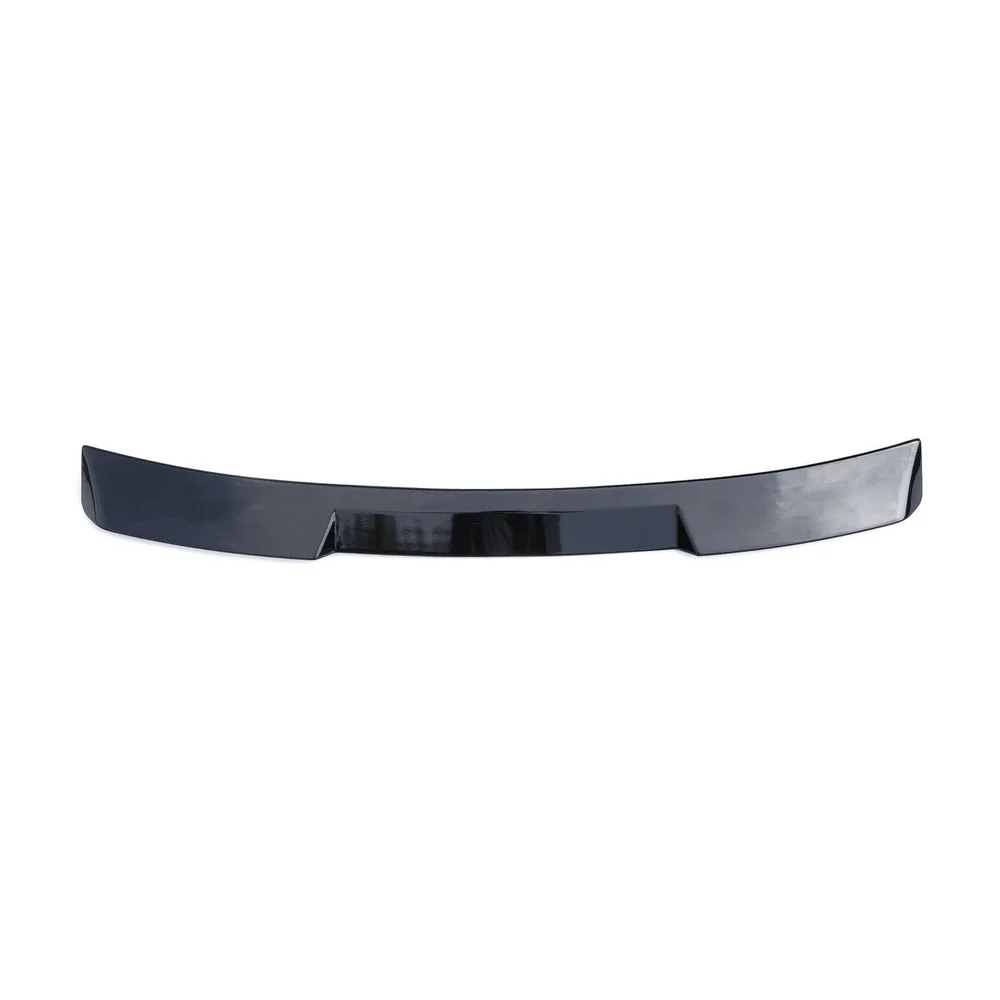
Gloss Black Rear Roof Spoiler for BYD DOLPHIN
Gloss Black Rear Spoiler for BYD SEAL
Mid Spoiler Wing for BYD SEAL U DM-i (BYD SONG PLUS)
Rear Roof Spoiler for BYD DOLPHIN
Rear Roof Spoiler for BYD SEAL 5 DM-i
Rear Spoiler Wing for BYD KING
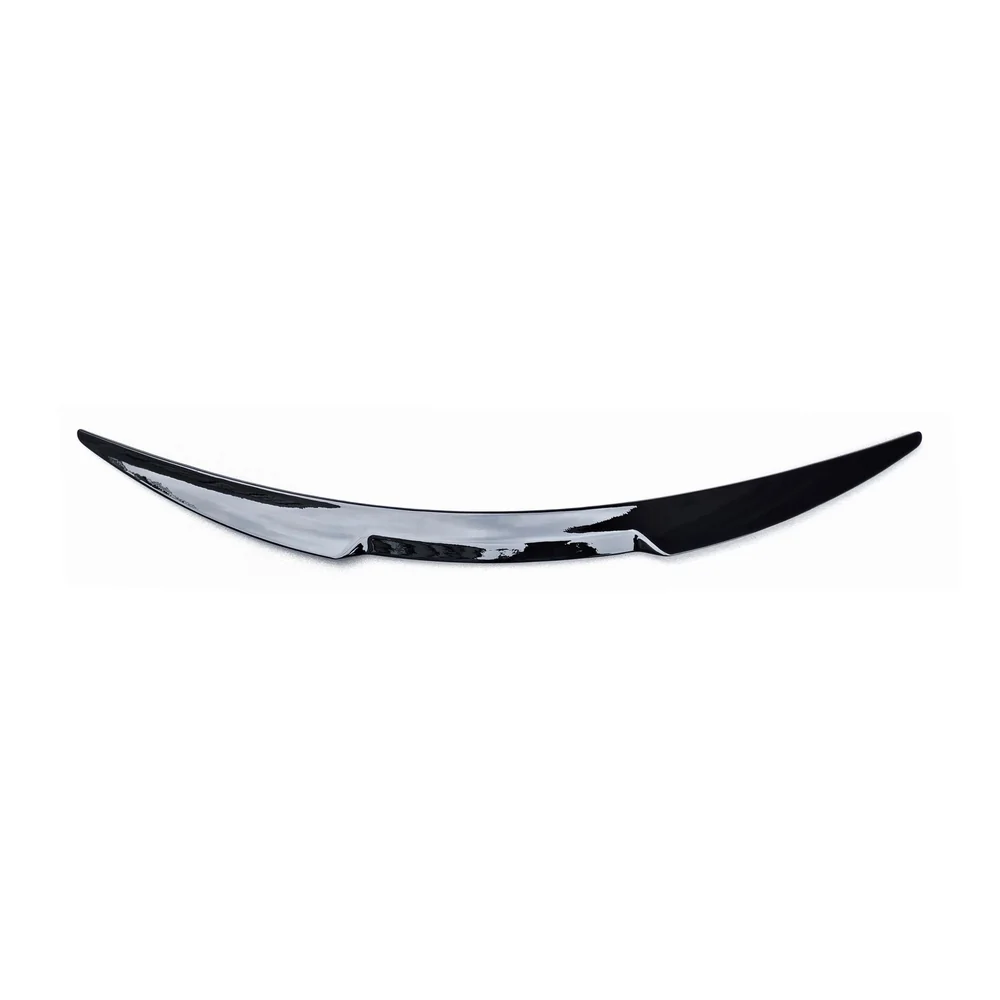
Rear Spoiler Wing for BYD SEAL
Roof Spoiler Wing for BYD KING
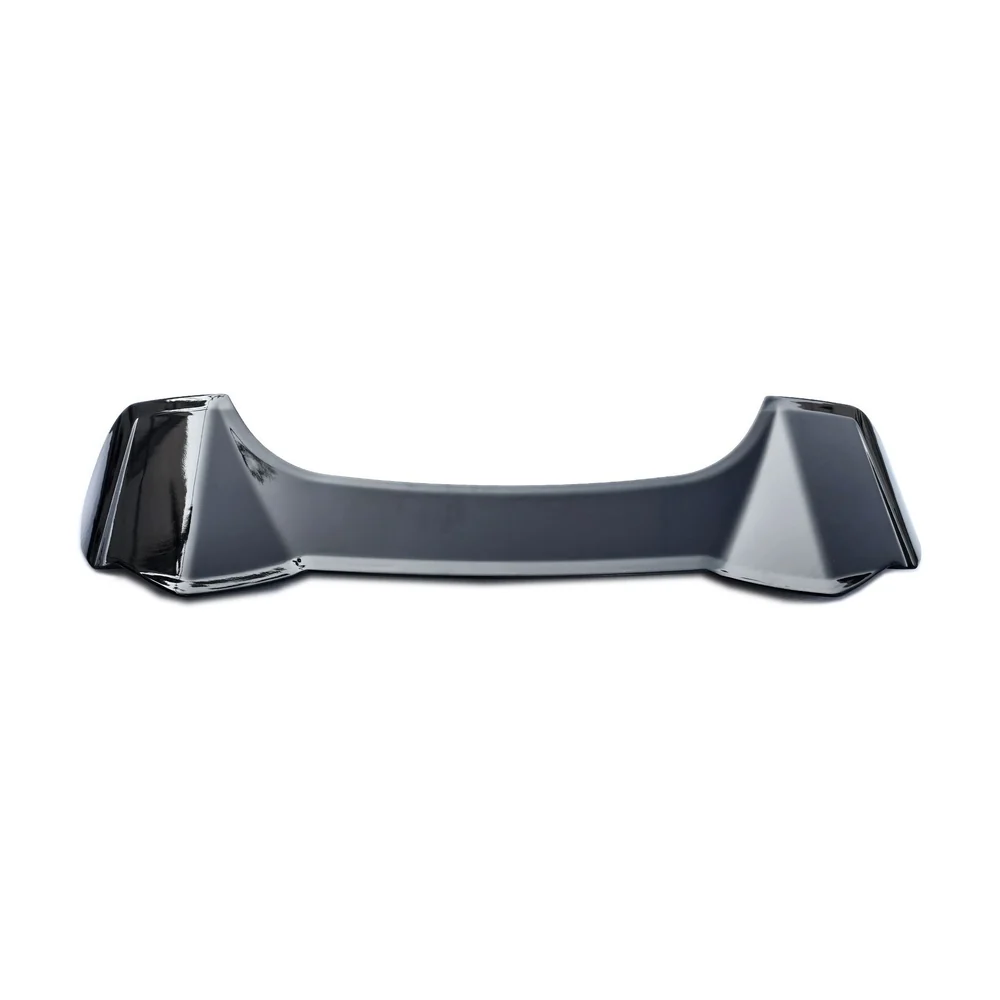
Roof Spoiler Wing for BYD SEAL U DM-i (BYD SONG PLUS)
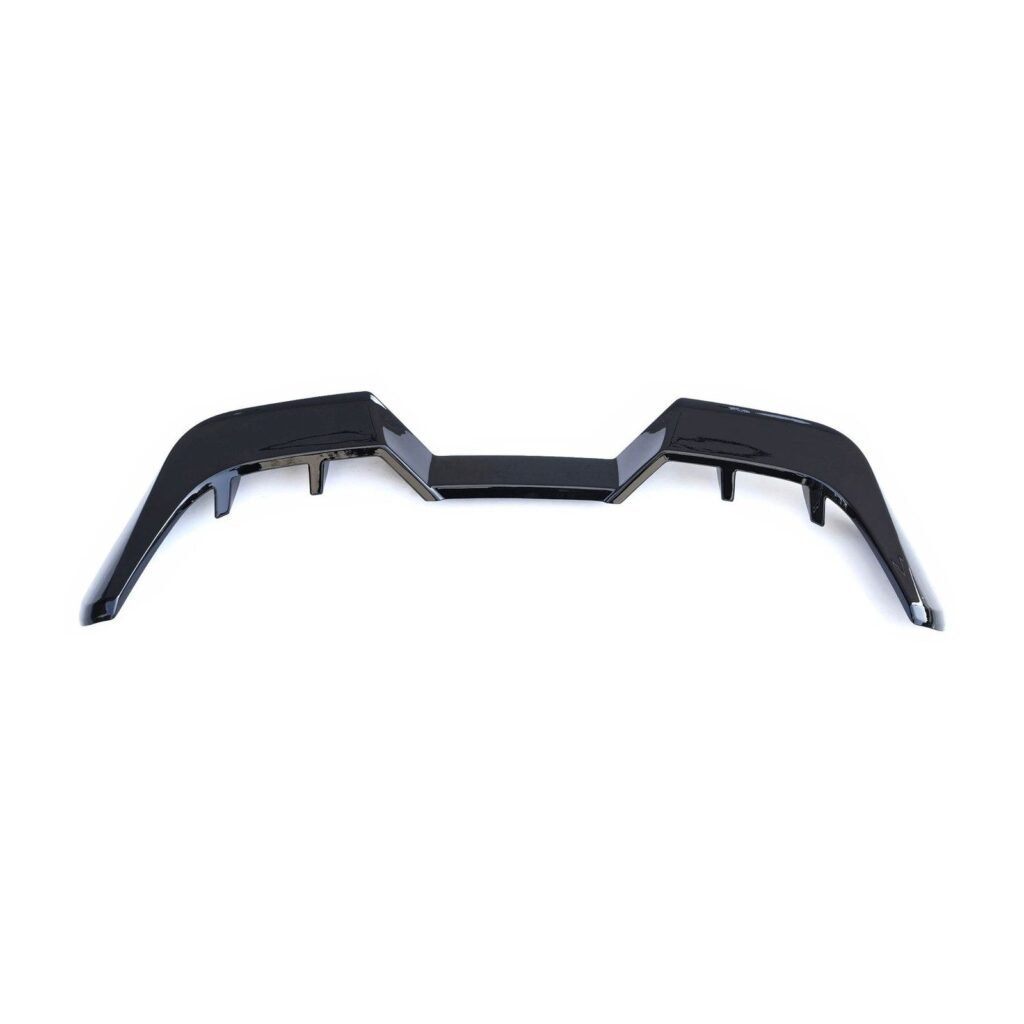
Roof Spoiler Wing for BYD SEALION 7

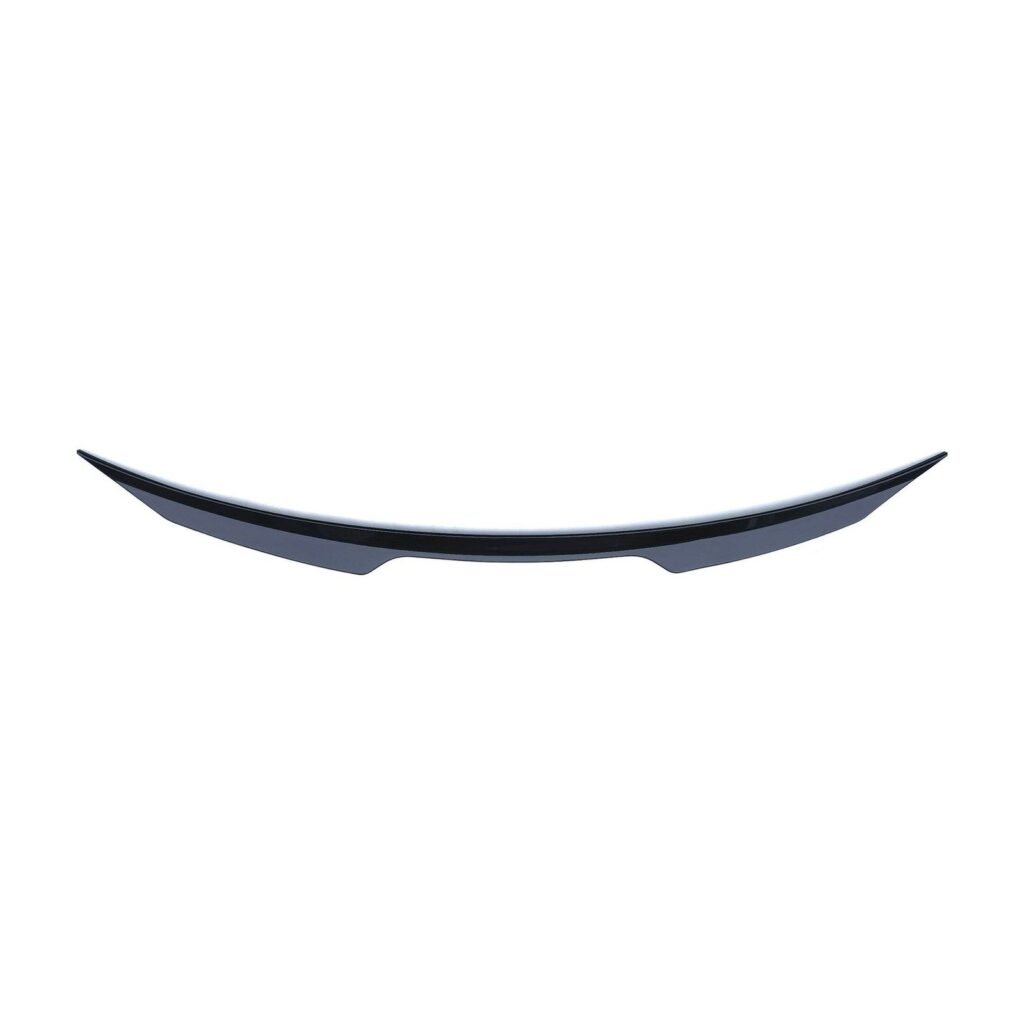
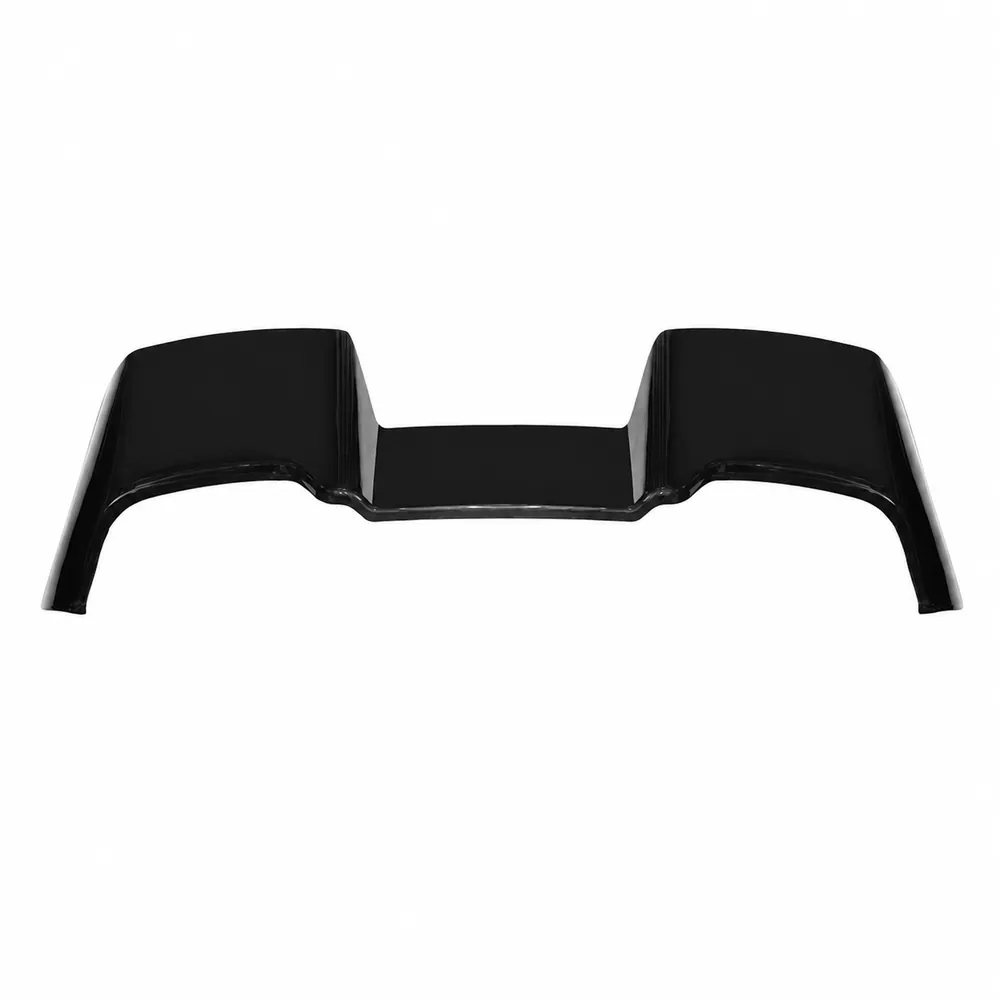
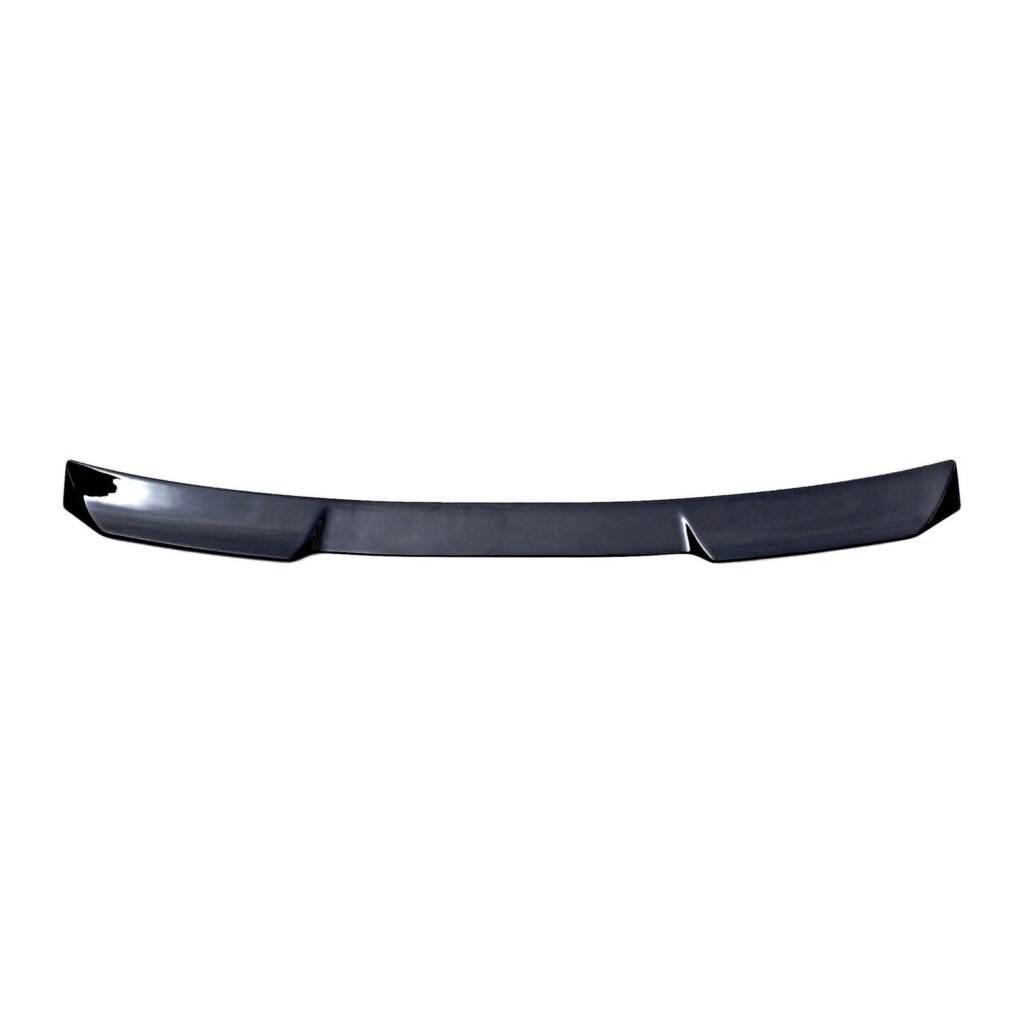
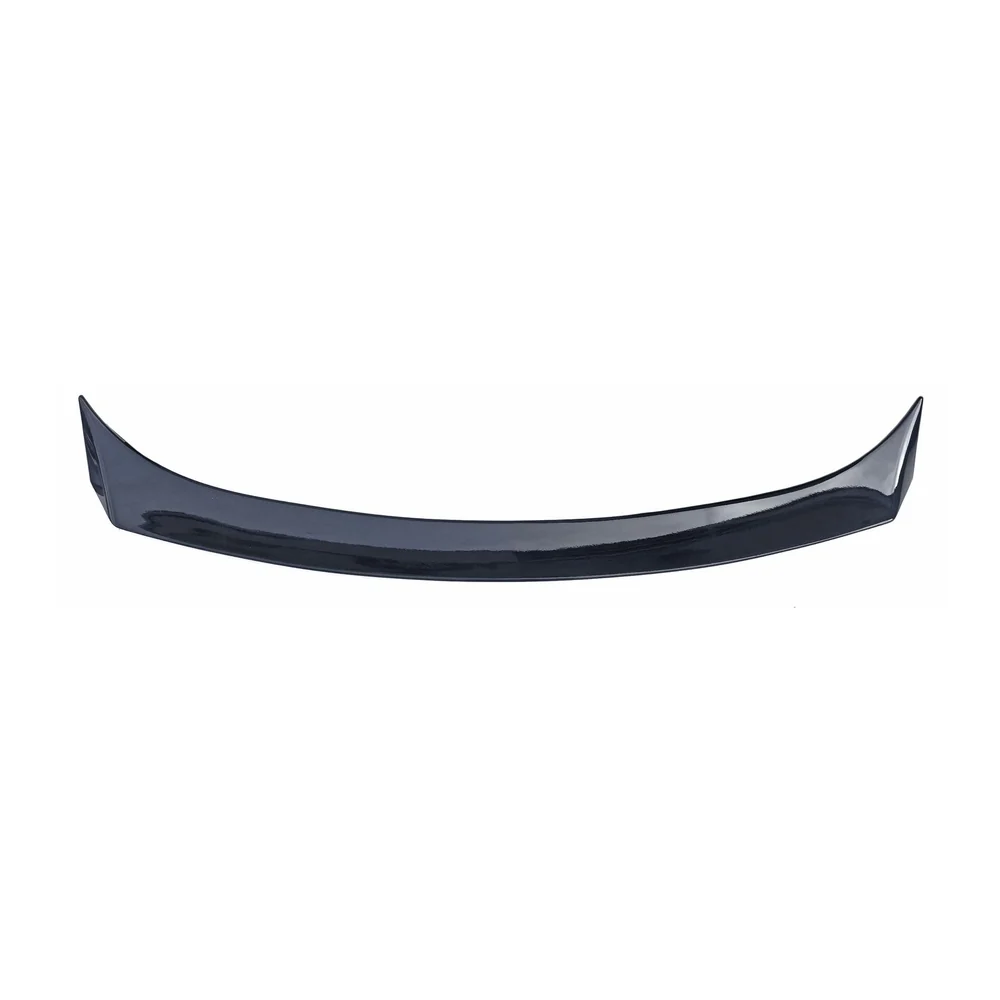
Carbon fiber vs ABS vs fiberglass spoilers: the short answer
If you want a well-finished part on a daily driver with the least fuss and the best value, choose ABS. It is what the majority of factory-style spoilers are made from, it takes a gloss black or paint-matched finish beautifully, and it is light enough for tape or bolt mounting.
If you are building something lighter or you want the visible weave, choose carbon fiber. Real carbon has the best strength-to-weight ratio of the three, and the clear-coated weave is a finish you cannot fake convincingly.
If you are on a tight budget, or you are building a custom part where you expect to sand and fill anyway, choose fiberglass. It is inexpensive, easy to repair and easy to reshape, at the cost of weight and finish quality out of the box.
Carbon fiber vs ABS vs fiberglass spoilers: what each material is
ABS stands for acrylonitrile butadiene styrene. It is a thermoplastic — a plastic that softens when heated and can be moulded at scale — and it has been in wide industrial use since the 1950s. It combines rigidity with impact resistance, which is exactly the combination a spoiler needs, and its properties hold up across roughly −20 °C to 80 °C. That is why it dominates mass-produced exterior trim and add-on spoilers.
Fiberglass, more precisely glass-fibre-reinforced plastic, is glass fibre bonded in a resin matrix. It is cheaper and more flexible than carbon fibre, is stronger than many metals by weight, and can be moulded into complex shapes. It is the traditional material for low-volume car body parts, and it stays popular because it is easy to work with and easy to repair.
Carbon fiber is carbon-fibre-reinforced plastic: carbon fibres set in a resin such as epoxy. It is extremely strong and light, and it is used wherever a high strength-to-weight ratio and high stiffness matter. Its properties are directional — the weave layout and the ratio of fibre to resin change how the finished part behaves — which is one reason two “carbon” spoilers can feel very different.
Polyurethane deserves a mention alongside them. It is a flexible plastic used for many OEM-style lips and skirts. It shrugs off minor impacts better than fiberglass and does not crack as readily as rigid composites, which makes it a sensible choice for parts that live close to kerbs.
Real carbon fiber versus carbon-texture finish
This is the single most expensive misunderstanding in the aftermarket.
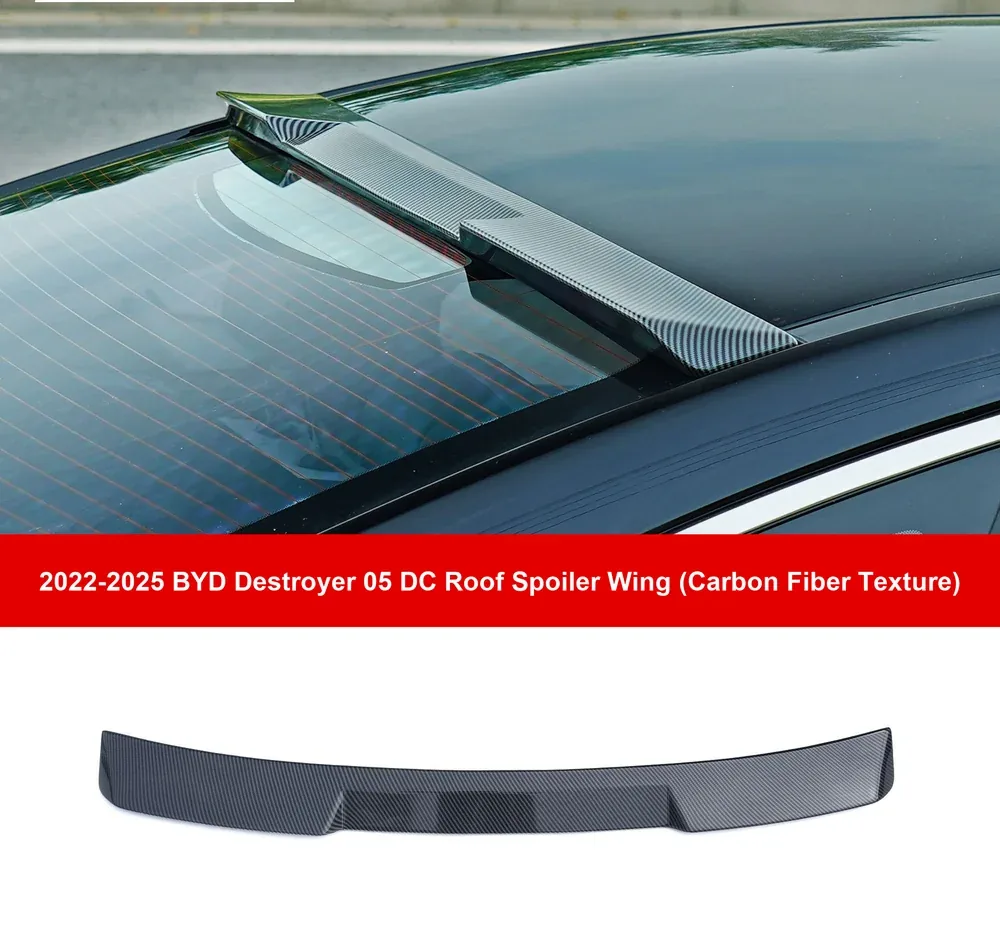
Real carbon fiber shows a genuine weave under a clear coat, and the fibres are visible because they are actually there. A carbon-texture part has the look reproduced on top of a plastic base — printed, hydro-dipped or wrapped — and then clear-coated. It can look excellent, it costs far less, and on a road car it is often the pragmatic choice.
A useful test before you buy: ask what the part is made from, not what it looks like. A listing that says “carbon fibre look”, “carbon style” or “carbon pattern” is telling you something. A seller who says “real carbon fibre, clear-coated” and can show you the underside of the part is giving you a straight answer.
Weight, stiffness and what you would actually notice
Here is the honest hierarchy. Carbon fiber is the lightest and stiffest. Fiberglass sits in the middle for weight and is stiff but brittle. ABS is the lightest of the moulded plastics and less stiff than either composite, but it is tough and it does not shatter.
Now the part most buyers skip: on a road car spoiler, that ranking rarely changes how the vehicle drives. A boot-lid spoiler weighs a few kilograms at most, and the difference between an ABS part and a carbon part of the same design is small next to the weight of a passenger, a full tank of fuel or a spare wheel. Where the stiffness genuinely matters is on a large, high-mounted wing that has to hold its shape under real aerodynamic load — and on those parts, flexing is a safety and durability question, not a styling one.
The practical conclusion: choose carbon for the finish and the weight saving if you value them, but do not expect a lap-time difference from switching a boot-lid lip from ABS to carbon.
Finish and how each one ages
Finish is where material choice becomes visible after a year or two.
ABS takes paint and gloss finishes very well, and it holds a paint-matched colour neatly because it does not have a visible weave to hide. Its weakness is that it is a plastic: prolonged heat and UV exposure degrade it, and an unpainted or badly primed part can dull, chalk or distort over time.
Fiberglass usually arrives in a raw or primered state. That is normal, not a defect. It needs sanding, priming and painting before it goes on the car, and the quality of that prep work determines whether it looks factory or homemade. Gel-coated fiberglass is available but still benefits from careful finishing.
Carbon fiber is finished with clear coat, which protects the resin and reveals the weave. That clear coat is also the part that ages: UV exposure and stone chips dull it, and once the resin underneath starts to break down the part cannot simply be repainted without losing the look that made it worth buying. Real carbon on a road car benefits from a good protective coating and occasional care.
Repair, damage and what happens after a car park knock
ABS flexes and absorbs minor impacts. A light scuff can usually be sanded and refinished, which makes it the most forgiving of the three for a daily driver.
Fiberglass is rigid. It resists a knock better than a thin plastic in some ways and worse in others, but if it does crack, the crack can be ground out and laminated again, and the repair can be finished invisibly. That repairability is a genuine advantage for low-volume parts.
Real carbon fiber is the hardest of the three to repair well. A crack in a clear-coated carbon part is a specialist job, and a repaired weave is very difficult to make invisible. On a road car, that is the practical downside of paying for carbon in the first place.
Cost and the total bill
Comparing sticker prices alone is misleading because the materials arrive in different states.
An ABS part usually arrives finished and ready to fit, so the price you see is close to the final cost. A fiberglass part often arrives raw, so add sanding, priming and painting — or the labour if a body shop does it. A carbon-fibre part arrives finished in clear coat, so the price is higher but the finishing work is done.
If you are choosing between finishes rather than materials, the maths changes again. A carbon-texture ABS part delivers the visual effect at a fraction of the cost of real carbon, and for a road car with a matching gloss black or body-colour build, that is frequently the better decision.
What we would not do is buy real carbon purely as a badge of quality and then fit it to a car with mismatched finishes elsewhere. Material consistency across the parts you fit matters more to the final result than the material of any single piece.
Which material for which BYD build
The right answer changes across the BYD range because the cars are used differently.
Dolphin, Seagull, Atto 2 — hatchbacks and city cars. These are daily drivers, often parked on streets and used for short trips. ABS in gloss black or paint-matched finish gives the cleanest result for the money, and a carbon-texture finish adds the look without the repair risk. See the gloss black rear roof spoiler for the Dolphin.
Seal, Seal 5 DM-i, Seal 7 DM-i — fastback sedans. These cars carry a long horizontal rear line, and a spoiler sits right in the middle of it, so finish quality is visible immediately. Both gloss black and carbon-texture work well here, and the Rear Spoiler Wing for BYD SEAL is supplied in both.
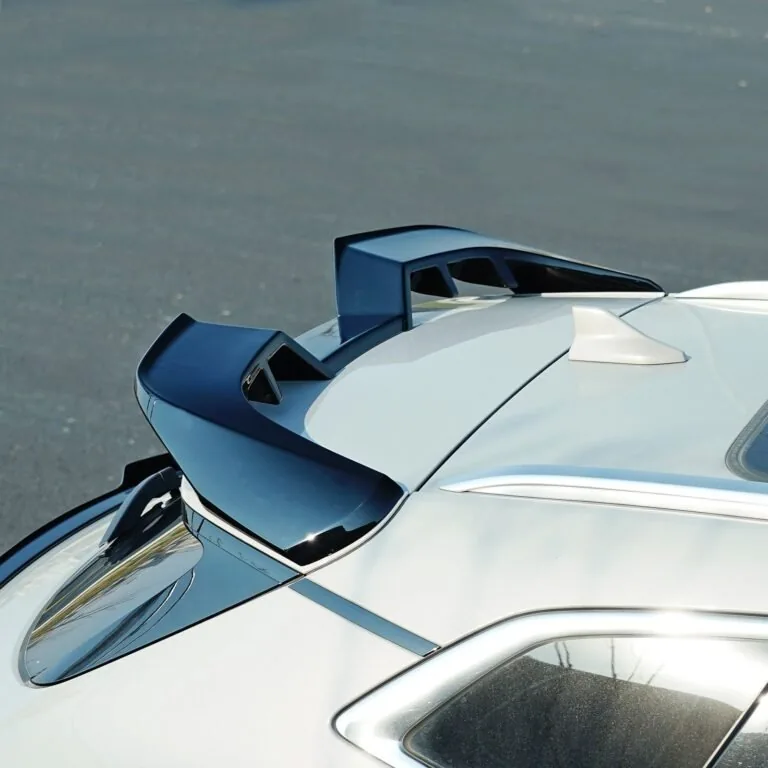
Sealion 7, Seal U DM-i, Atto 3 — SUVs and crossovers. The spoilers are larger and mounted higher, which means more leverage and more exposure. Choose a part with solid mounting and a finish that survives UV, and favour ABS or a carbon-texture finish over raw fiberglass that needs painting after installation.
King DM-i / Destroyer 05 — sedan builds. This is the model where buyers most often want the full set, and consistency matters. The rear spoiler wing for the King is offered in matching gloss black and carbon-texture versions so the rear of the car, the roof spoiler and the side skirts can all be finished the same way.
A quick pre-purchase checklist
Before you commit, ask four questions.
What is the material, exactly? Not the finish, not the marketing word — the material.
Is it finished or paint-ready? A raw part is a project; a finished part is an installation.
What does it weigh? This matters most for large or high-mounted parts, and it tells you how the part is best fixed.
How does it attach, and can it reuse the original mounting points? Tape suits light parts. Bolts and backing plates suit anything that stands off the body.
Get honest answers to those four and the material question usually answers itself.
Frequently Asked Questions
Is carbon fiber better than ABS for a spoiler?
It is lighter and stiffer, and its clear-coated weave is a genuinely distinctive finish. Whether it is “better” depends on the car. On a road car, ABS delivers most of the practical benefit at a much lower price and is easier to repair. On a track build or a showpiece, real carbon earns its place.
What is the difference between carbon fiber and carbon-texture?
Carbon fiber is a composite with real carbon fibres in a resin matrix, visible under clear coat. Carbon-texture is the look of that weave reproduced on a plastic part by printing, dipping or wrapping. It looks convincing, costs far less and repairs more easily.
Is a fiberglass spoiler a bad choice?
Not at all — it is cheap, strong and highly repairable. The catch is that it usually arrives raw and needs sanding, priming and painting, so the finished cost is higher than the sticker price and the result depends on the quality of the prep work.
Do I need to paint an ABS spoiler?
No. ABS parts are commonly supplied finished in gloss black, which suits most builds, or paint-ready so you can colour match them. If you do paint it, use the vehicle’s paint code rather than the colour name to get a match.
Will a carbon fiber spoiler yellow or fade?
The carbon itself does not fade, but the clear coat over it can dull or degrade with UV exposure and stone chips. That is why real carbon on a road car benefits from a protective coating and a little maintenance.
Which material is easiest to install?
ABS, because it is light, usually finished on arrival and can be fixed with tape or with tape and studs. Fiberglass adds a paint stage before installation, and large carbon or pedestal parts usually need bolting with proper reinforcement.
Need help choosing a material and finish?
Tell us your model, year and trim, plus how you want the rear of the car to look, and we will point you to the right material and finish rather than the most expensive option. We supply gloss black, paint-matched, carbon-texture and real carbon parts across the BYD range, with mounting matched to the actual body.
Shipping is from China with MOQ 1 piece, and we support bulk and dropshipping orders for accessory shops, installers and resellers who need consistent finish across a batch. Have a look at the Spoilers & Wings range or the wider BYD exterior accessories selection, then request a quote. BYD is our focus, but we are glad to quote other makes if you send us the model
Need help choosing a spoiler material for your BYD? Browse our BYD spoilers and wings collection, or contact us with your model, year and finish preference if you need a specific accessory sourced.
References
- Acrylonitrile butadiene styrene (ABS) — Wikipedia — https://en.wikipedia.org/wiki/Acrylonitrile_butadiene_styrene
- Fiberglass — Wikipedia — https://en.wikipedia.org/wiki/Fiberglass
- Carbon-fiber-reinforced polymers — Wikipedia — https://en.wikipedia.org/wiki/Carbon-fiber-reinforced_polymers
- ABS vs Fiberglass vs Carbon Fiber: Which Material Is Right? — Vicrez Support — https://support.vicrez.com/hc/en-us/articles/46531089162644-ABS-vs-Fiberglass-vs-Carbon-Fiber-Which-Material-Is-Right
- Carbon Fiber vs. ABS vs. Fiberglass: What’s the Best Body Kit Material? — EuroSport Tuning — https://eurosporttuning.com/blog/carbon-fiber-vs-abs-vs-fiberglass-best-body-kit-material/
- Aftermarket Spoiler Fitment Guide for a Clean Build — My Pro Street — https://my.prostreetonline.com/2026/09/04/aftermarket-spoiler-fitment-guide/

 English
 Portuguese
 French
 Turkish
 Russian
 Arabic
 Spanish