
A bull bar is a heavier frontal protection structure that covers more of the bumper and grille area; a nudge bar is a lighter, lower bar that mainly adds a modest hoop in front of the bumper. On a BYD Shark / Shark 6 pickup (a “ute” in Australia), the choice affects mass, approach clearance, parking sensors, radar and how frontal crash and pedestrian rules are read in your market. Use the notes below as decision support for owners and installers — not as legal advice.
Marvix currently lists competition-style bull bar bumpers for Shark 5 / Shark 6. The sections below explain the category difference, what to check on sensors and airbags, and how Australian and European rule frameworks talk about frontal protection systems, then point to the published Shark bars.
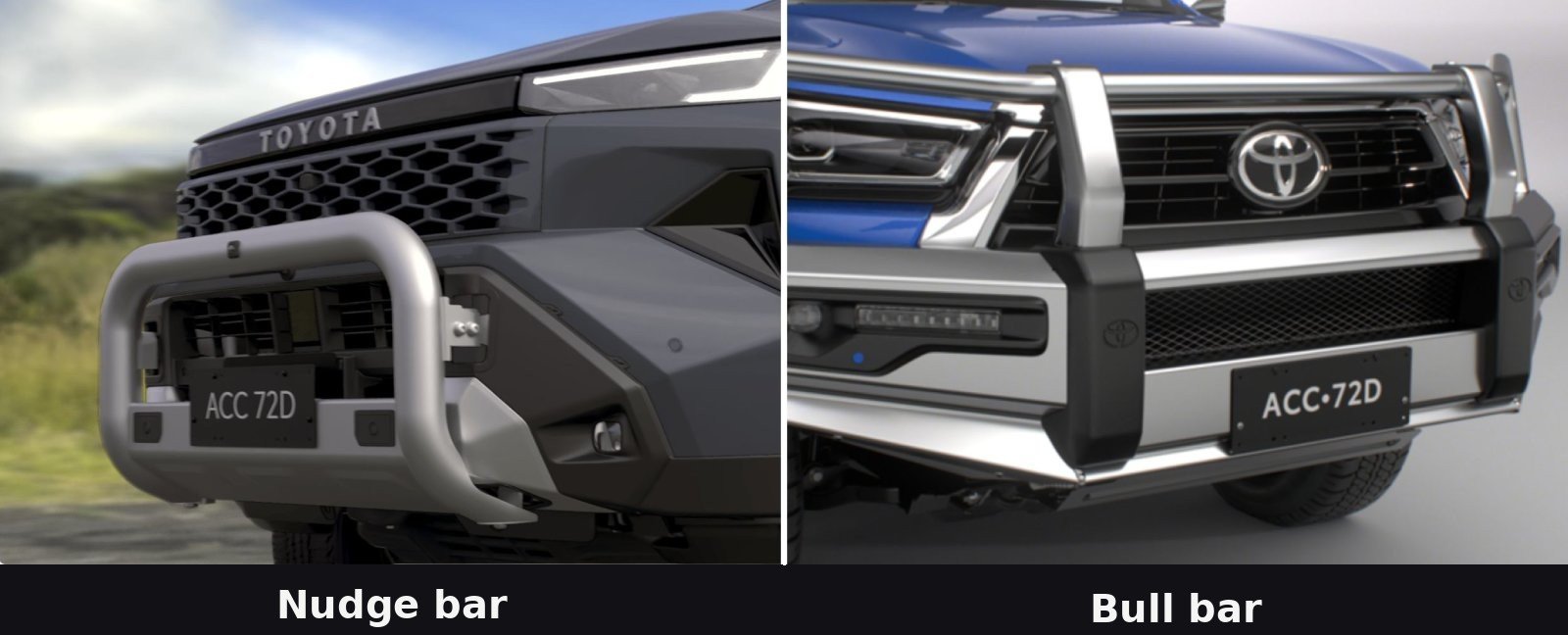
Bull bar vs nudge bar — what actually differs
| Bull bar / full VFPS-style bumper | Nudge bar | |
|---|---|---|
| Coverage | Often replaces or wraps a large part of the front bumper; may include an upper hoop around the grille, winch cutout, mesh vents and side wings | Usually a lighter hoop or bar in front of the stock bumper with less wrap |
| Mass | Higher — Marvix’s Shark bull bar bumper listing states about 60 kg for one unit | Lower — less effect on payload and front axle load, but still counts against GVM |
| Typical use | Rural roads, animal strike risk, winch / recovery setups, stronger visual protection | Urban and light touring where owners want a modest guard without a full bumper swap |
| Sensor / airbag risk | Higher chance of changing bumper sensor paths and frontal crash behaviour — verify cutouts and compliance claims | Still needs compliant design; less structure does not automatically mean “airbag safe” |
State transport pages in Australia often describe a nudge bar as more appropriate for metropolitan driving and a traditional bull bar for country use. That is a use-case hint, not a free pass on design rules.
Sensors, cameras and parking aids — what to check before fitting
Modern Shark pickups carry parking sensors, cameras and, on many grades, adaptive cruise / forward radar in the grille or bumper. A steel bar changes the surface those systems expect.
- Parking sensors: confirm whether the bar has cutouts or relocators that match your bumper’s sensor count and positions. Blind or blocked sensors give false alarms or silent failures.
- Front camera / grille camera: keep the lens clear of hoops, light bars and mesh that sit in its field of view.
- Adaptive cruise / AEB radar: a plate or hoop in the radar beam can degrade distance sensing. Match the bar’s centre opening to your factory radar location.
- Winch tray and recovery points: if your truck already has a factory winch tray or tow hooks, confirm the aftermarket bar clears them or replaces them as designed.
- LHD vs RHD and market bumper: Shark bumpers and sensor packs differ by market. Compare gallery photos with your own front end before you order.
Both Marvix Shark bull bar listings ask you to check parking sensors, adaptive cruise radar and market fitment. Professional installation is recommended on those pages.
Australia — ADR, AS 4876 and airbags (high level)
In Australia, a bull bar or similar frontal guard is treated as a vehicle frontal protection system (VFPS). Key points that appear across state guidance and national design rules:
- Continued ADR compliance. Fitting a bar must not take the vehicle out of compliance with the Australian Design Rules that applied when it was built — including lighting (ADR 13) and frontal occupant protection rules where they apply.
- AS 4876.1-2002. Many state pages advise buyers to seek written assurance that a VFPS complies with AS 4876.1-2002 Motor vehicle frontal protection systems — Part 1: Road user protection, and that the vehicle still meets applicable ADRs with the bar fitted.
- ADR 69 / ADR 73 and airbags. Full-frontal and offset frontal occupant protection rules (ADR 69/00 and ADR 73/00) set crash-test expectations for many passenger and light commercial vehicles. Guidance from state authorities (for example VicRoads Vehicle Standards Information on bull bars, and South Australia’s VFPS design notes) states that where airbags or these ADRs apply, the bar should be vehicle-manufacturer certified for that model, or the bar maker should demonstrate that it does not adversely affect frontal crash compliance or critical airbag timing. Demonstration can involve full-scale barrier testing.
- Pedestrian outcomes. Poorly designed VFPS can raise the first contact point and worsen pedestrian injury. Compliant designs aim to keep contact lower so a pedestrian is more likely to roll onto the bonnet.
Exact inspection practice varies by state and territory. Treat supplier claims as something you verify in writing for your VIN, and ask a licensed installer or engineer when your state requires it. For broader exterior-modification context in Australia, see Are car body kits legal in Australia?.
Europe — frontal protection systems and pedestrian safety (high level)
In the EU, a “frontal protection system” (for example a bull bar) fitted to M1 passenger cars or N1 light commercial vehicles is regulated as either original equipment or a separate technical unit.
- Regulation (EU) 2019/2144 (General Safety Regulation) Article 8 requires frontal protection systems for M1/N1 — whether factory-fitted or sold separately — to meet technical specifications set in implementing acts. Separate technical units must come with a detailed list of approved vehicle types and clear assembly instructions.
- Implementing Regulation (EU) 2021/535 Annex XII carries the detailed FPS procedures that continue the older pedestrian-protection approach from Regulation (EC) No 78/2009.
- UN Regulation No. 127 addresses pedestrian safety performance of vehicle front structures and is referenced in the EU framework for type-approval of vehicles with regard to pedestrian protection.
In plain terms: an aftermarket bull bar sold for road use in the EU is expected to be type-approved for the vehicle types it claims, and fitted exactly as the approval instructions describe. A bar without the right approval paperwork is a compliance risk even if it bolts on cleanly. Country-level registration and inspection still matter after fitment.
For exterior modification context by country, start with the published guides below (Europe / Middle East / Asia-Pacific). They are body-kit focused but help you find the right national authority tone before you modify a pickup front end:
Europe: Spain · Denmark · Poland · Norway · UK
Middle East: UAE · Saudi Arabia · Qatar · Oman · Kuwait · Bahrain
Asia-Pacific: Australia · Turkey
BYD Shark bull bars on Marvix
Two published products cover the Shark front bar category today. Both are bull-bar / competition-style guards — not nudge bars:
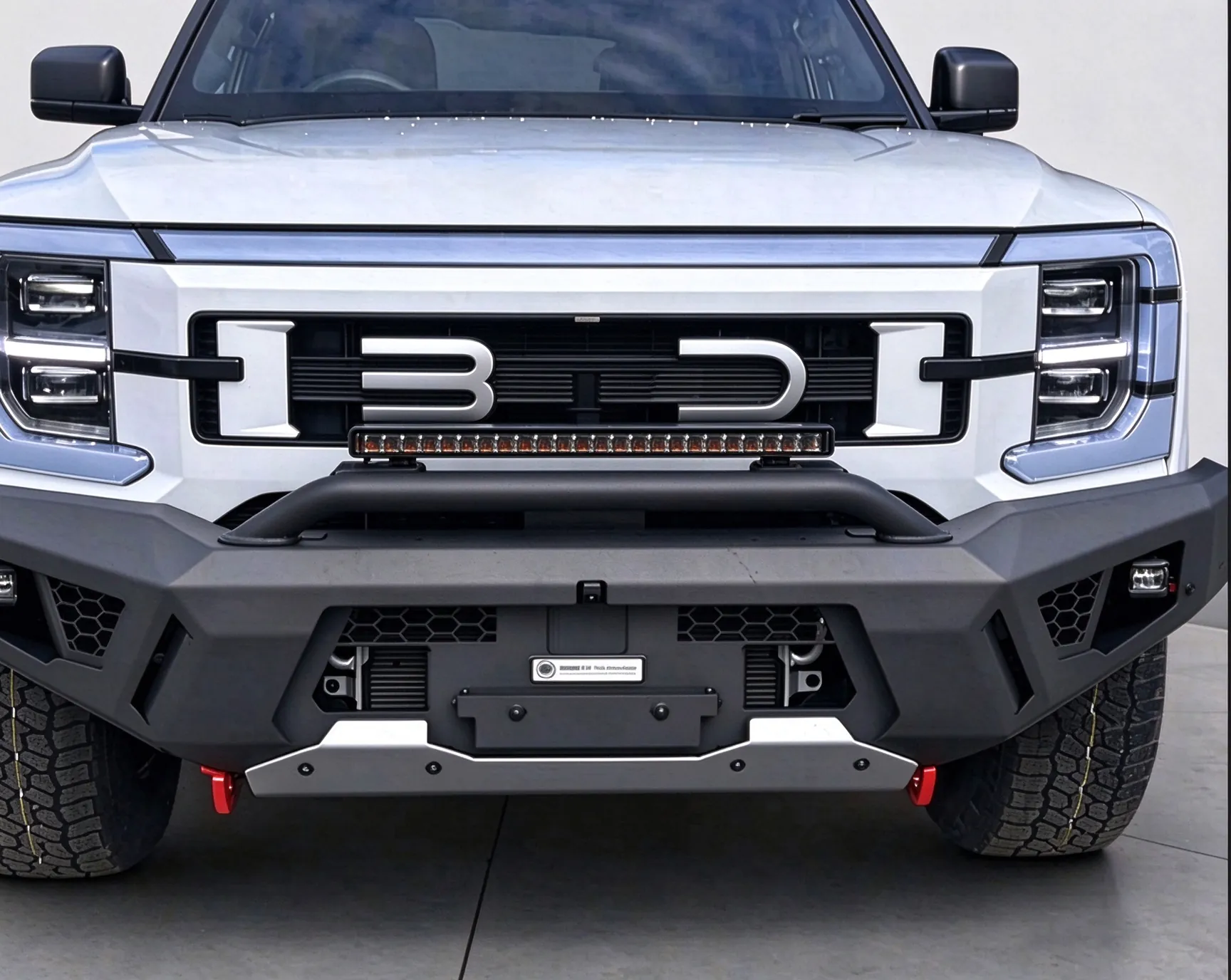
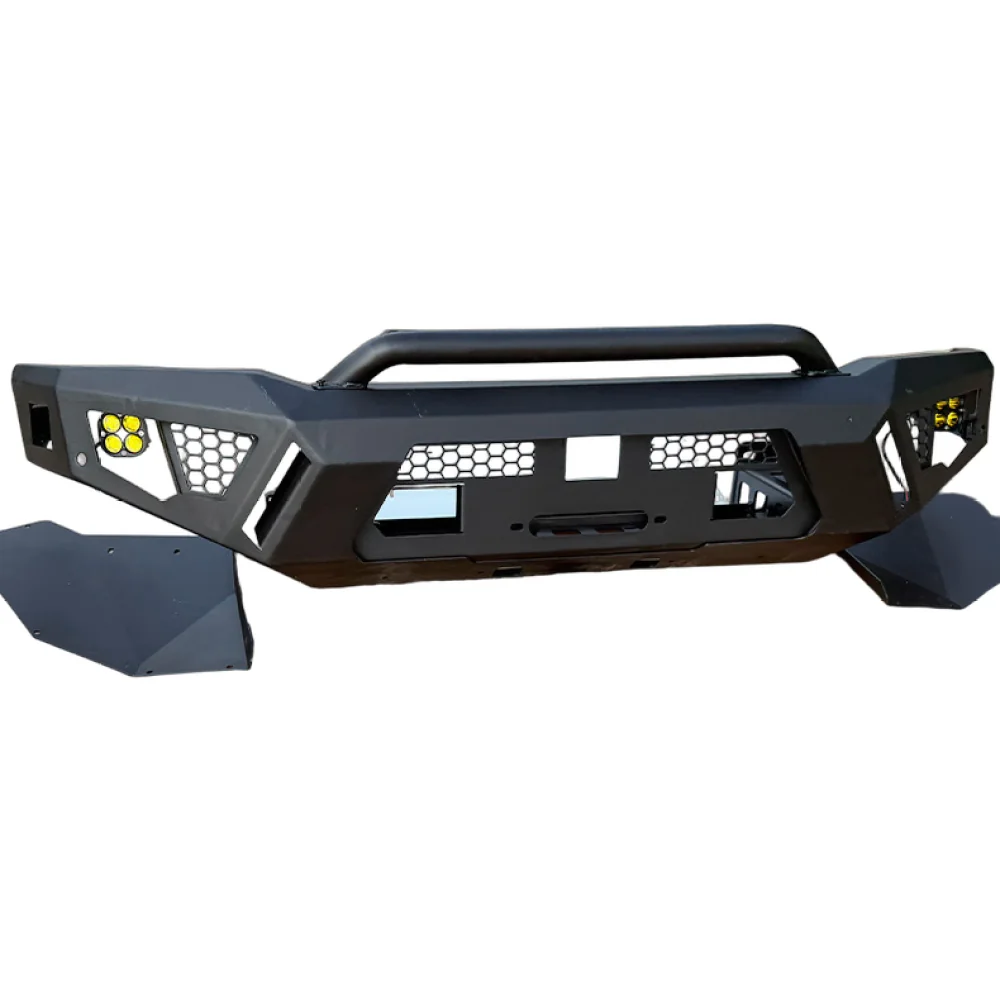
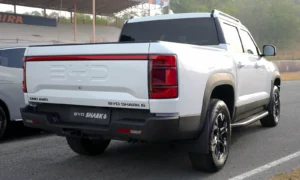
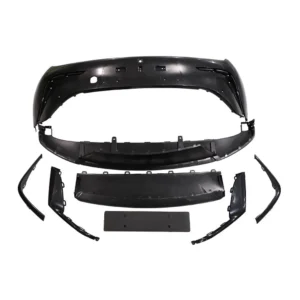
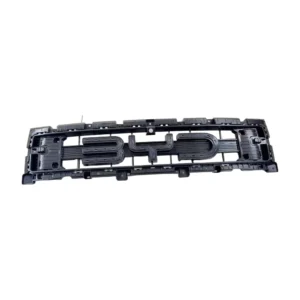
- BYD Shark 5/6 front bumper bull bar (SKU BYD-SHARK-FB-001) — competition-style full-width bar listed for Shark 5 and Shark 6, bolt-on using original mounting holes, matte black steel with mesh vents, LED pods and a winch cutout. Unit weight about 60 kg on the listing. Confirm year, LHD/RHD, parking sensors, adaptive cruise radar and any factory winch tray before ordering.
- BYD Shark 6 competition front bull bar guard — competition-style front bar for BYD Shark with a matte black finish as pictured. The short copy asks you to check bumper sensors and market fitment; match gallery photos to your grille and sensor layout.
If you specifically want a light nudge bar rather than a full bumper bar, that SKU is not listed on Marvix at the time of writing. Send clear front-end photos via the contact form if you need help judging whether a competition bull bar is the right category for your use, or wait for a dedicated nudge-bar listing if one is added later.
For the wider Shark exterior and tub range (canopies, covers, bars and racks), see the BYD Shark 6 accessories guide.
Related loading context for accessory weight sits in the Shark towing and payload discussion once you start stacking a bar, canopy and tub gear on the same GVM budget. For general exterior shopping terms, see BYD exterior accessories and the BYD accessories guide.
Practical decision checklist
- Write down your use case. Daily urban commuting usually argues for less mass; frequent rural animal-strike risk argues for a fuller VFPS-style bar — only if it is compliant for your market.
- Photograph the stock bumper. Sensors, radar, camera, tow hooks and winch tray must be visible in the photos you send for a fit check.
- Ask for compliance evidence. In Australia, ask about AS 4876.1 and ADR 69/73 / airbag statements for your model. In the EU, ask for type-approval coverage of your vehicle type as a separate technical unit.
- Budget the weight. A ~60 kg bar plus winch and lights eats into payload. Keep people, fuel/battery state and tub cargo inside GVM.
- Plan the install. Professional fitment reduces the chance of pinched looms, misaligned sensors and lighting that fails ADR/UNECE aim checks.
Frequently Asked Questions
What is the difference between a bull bar and a nudge bar?
A bull bar is a larger frontal protection structure with more coverage and mass. A nudge bar is a lighter, lower guard that sits mainly ahead of the stock bumper. Use-case and compliance checks still apply to both.
Does Marvix sell a BYD Shark nudge bar?
Not as a separate SKU at the time of writing. The published Shark front guards are competition-style bull bar bumpers.
Will a bull bar affect my Shark’s airbags?
It can. Frontal bars change how crash loads reach the vehicle structure and sensors. Australian guidance expects manufacturer certification or demonstrated non-interference with ADR frontal protection and airbag timing. Verify claims for your VIN; do not assume “bolt-on” means airbag-neutral.
What about parking sensors and adaptive cruise?
Confirm cutouts and clearances against your bumper’s sensors and radar before ordering. Both Marvix Shark bull bar pages ask you to check these items.
Is a bull bar legal in Australia or Europe?
It depends on the design, approval paperwork and how it is fitted. Australia focuses on ADR continuity and AS 4876.1; the EU treats many bars as type-approved frontal protection systems. Check your state or national authority and the supplier’s documents before you buy or fit a bar — the notes above are not legal advice.
How heavy is the Marvix Shark bull bar bumper?
The BYD-SHARK-FB-001 listing states approximately 60 kg. Add that weight into your payload budget with any winch and lights.
Talk to Marvix about Shark front bars
Marvix is a one-stop BYD partner, combining a BYD vehicle-export background with parts, accessories and export logistics. 1-piece samples and retail orders are accepted, pricing is tiered for larger quantities, and listed parts are usually in stock, with orders under 100 sets shipped directly. We also support mixed-SKU orders, dropshipping and fitment checks from your model, year, VIN or photos.
We ship to all countries on EXW, FOB or DAP terms, plus DDP for samples, retail orders and dropshipping. For Brazil, Colombia and Mexico the terms are EXW, FOB or DAP only, and the buyer handles customs clearance and taxes. Prices vary by country, so see our shipping policy for BYD accessories, review BYD exterior accessories wholesale terms, or request a quote with front-end photos if you need a sensor and market fit check.

 English
 Portuguese
 French
 Turkish
 Russian
 Arabic
 Spanish